


How to Use These Buying Guides
If you are fitting out a new workshop or replacing worn items, start with the job first and the tool second. A good buying choice should match the material you work on, the hours you run each day and how often you can stop for maintenance or recharging during load-shedding.
These guides help you narrow the field before you order. We look at grip, duty rating, pack size, replacement parts and how easy an item is to keep in service when supplies are tight or the workweek gets busy.
Hand Tools for Daily Trade Work
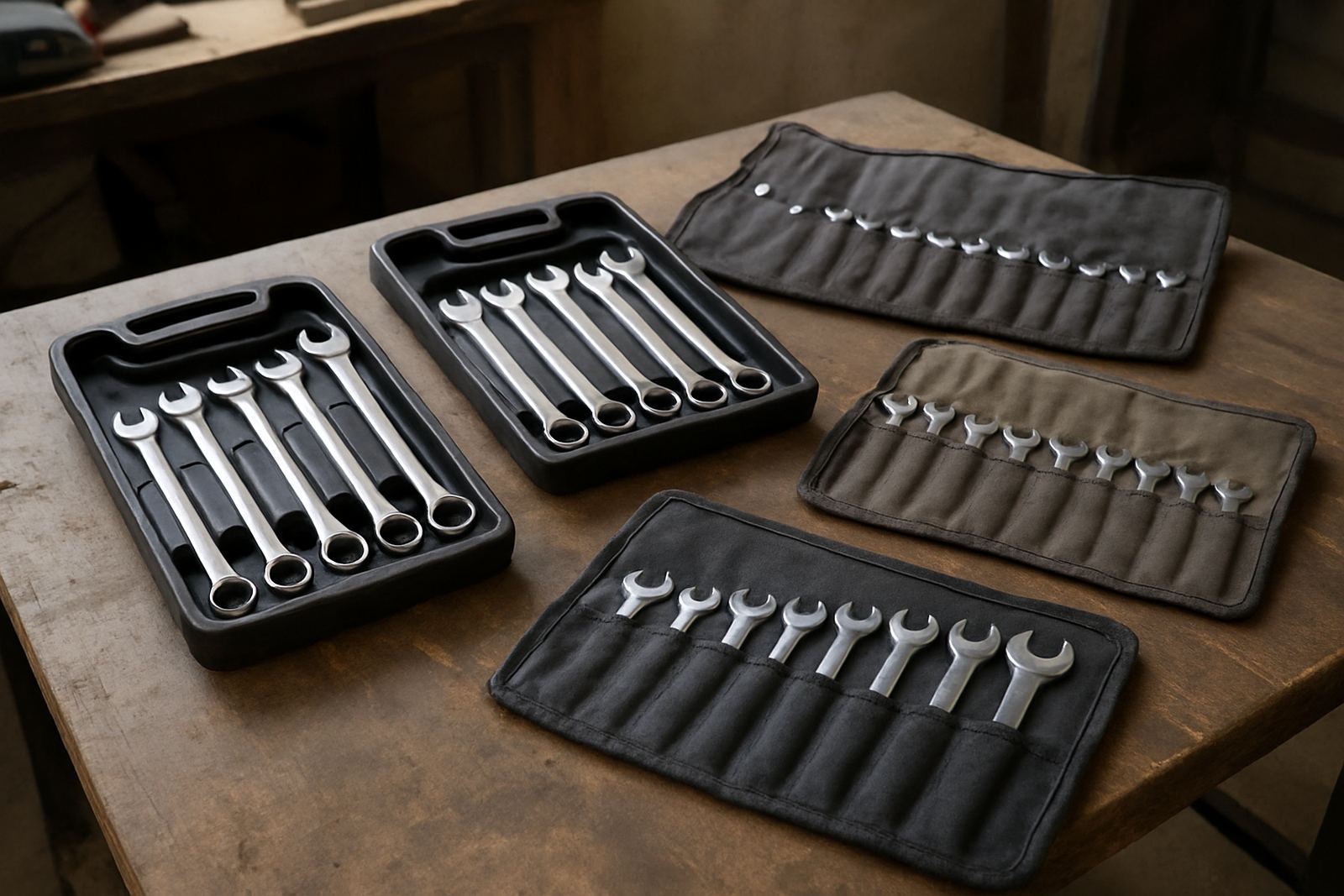
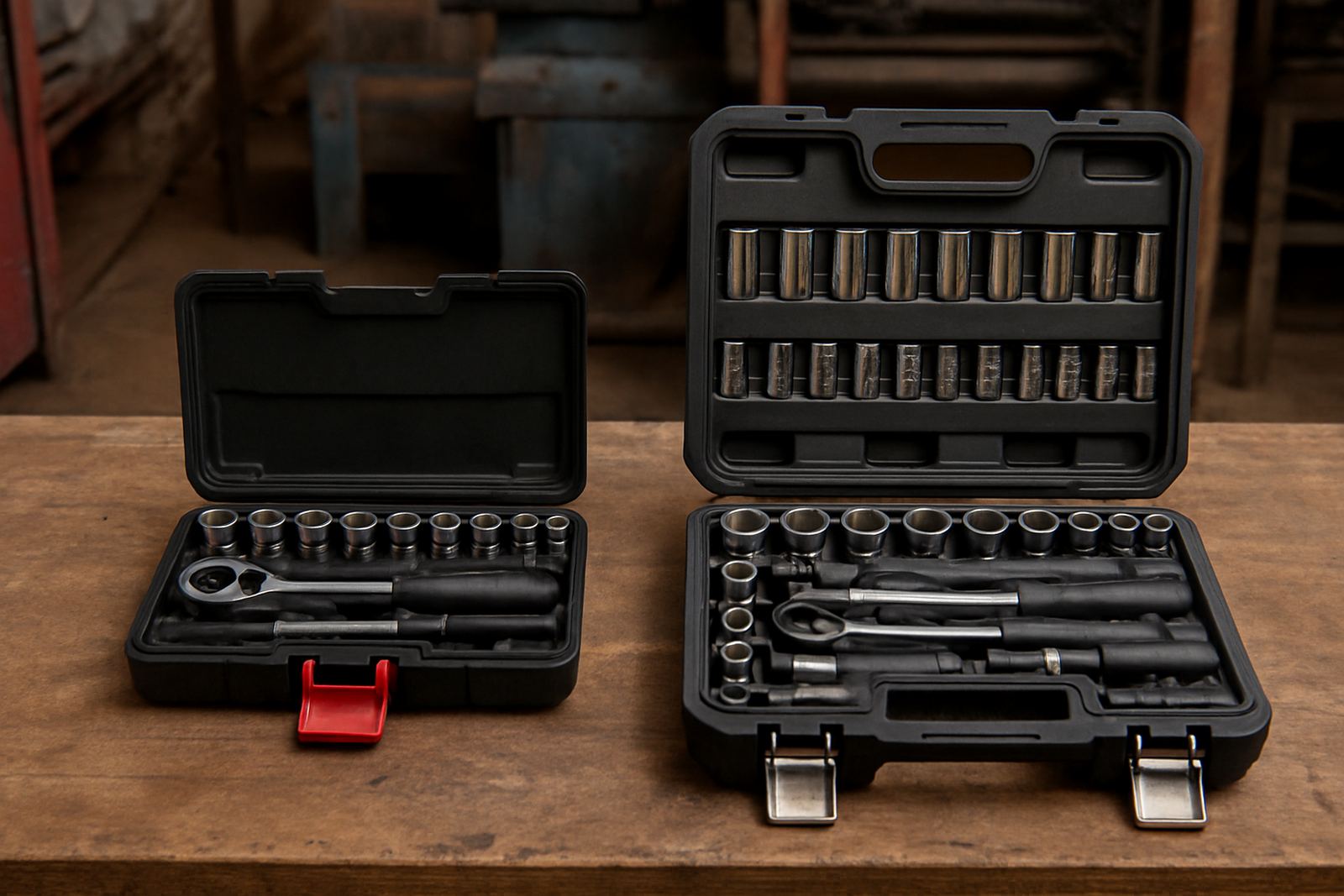
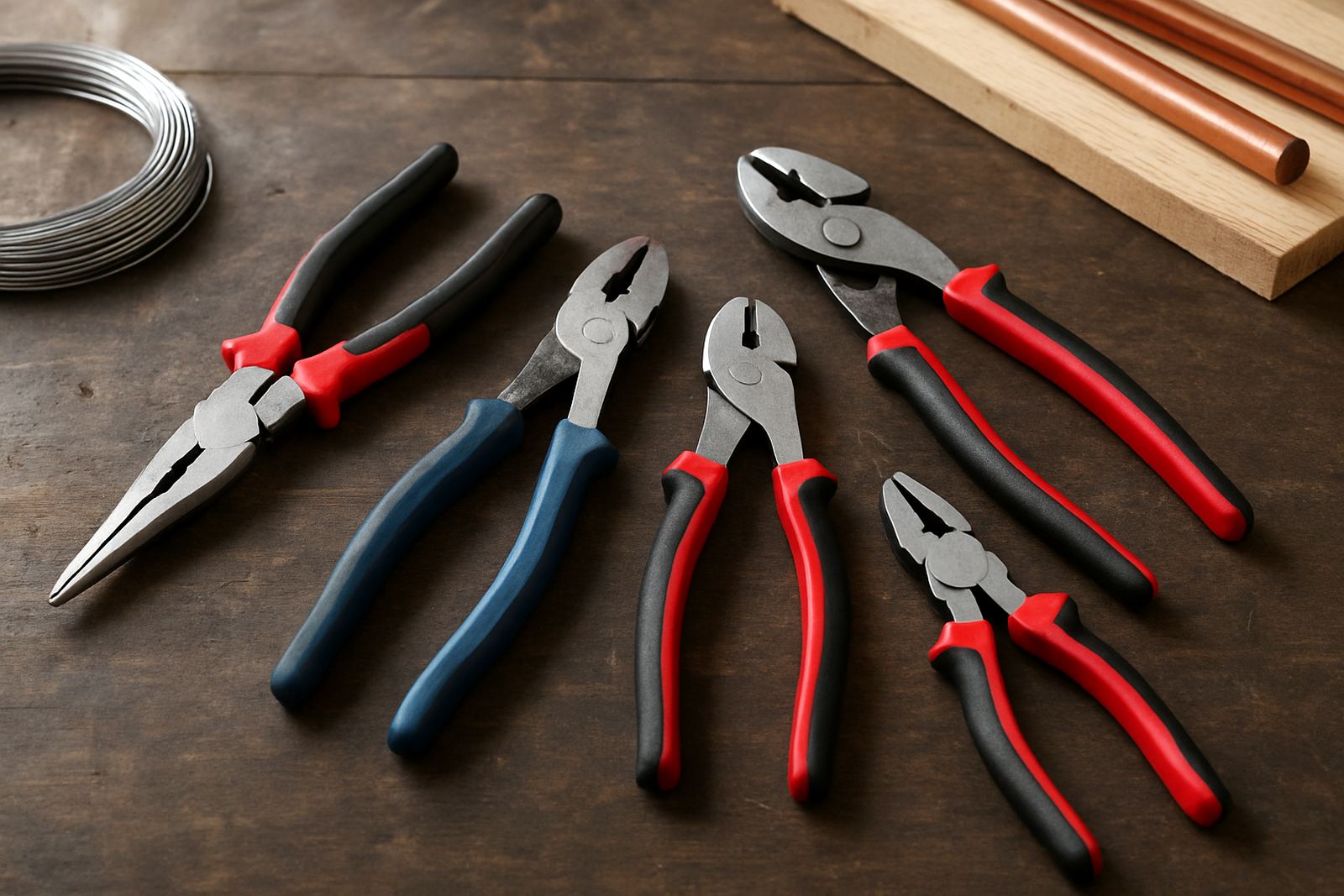
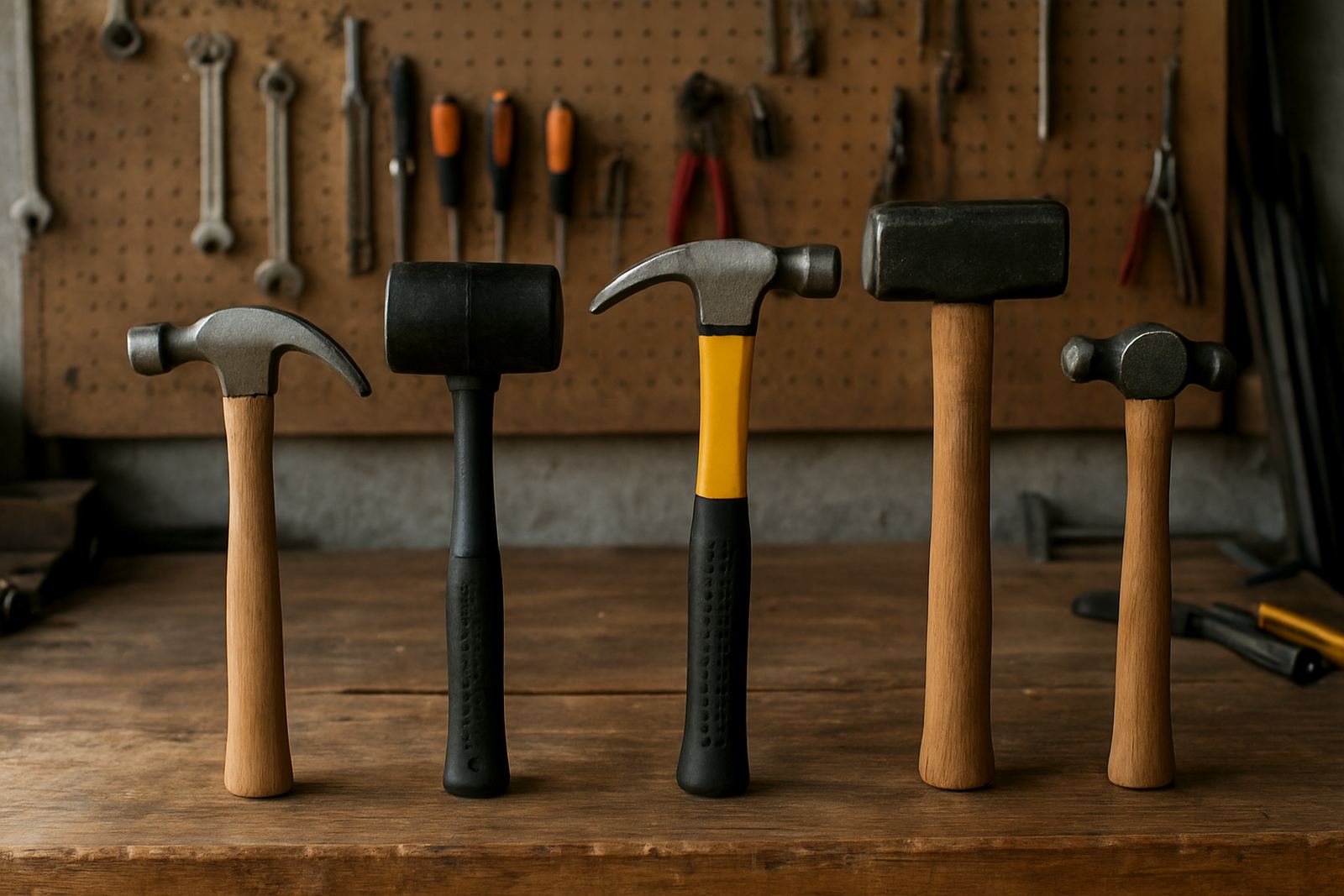
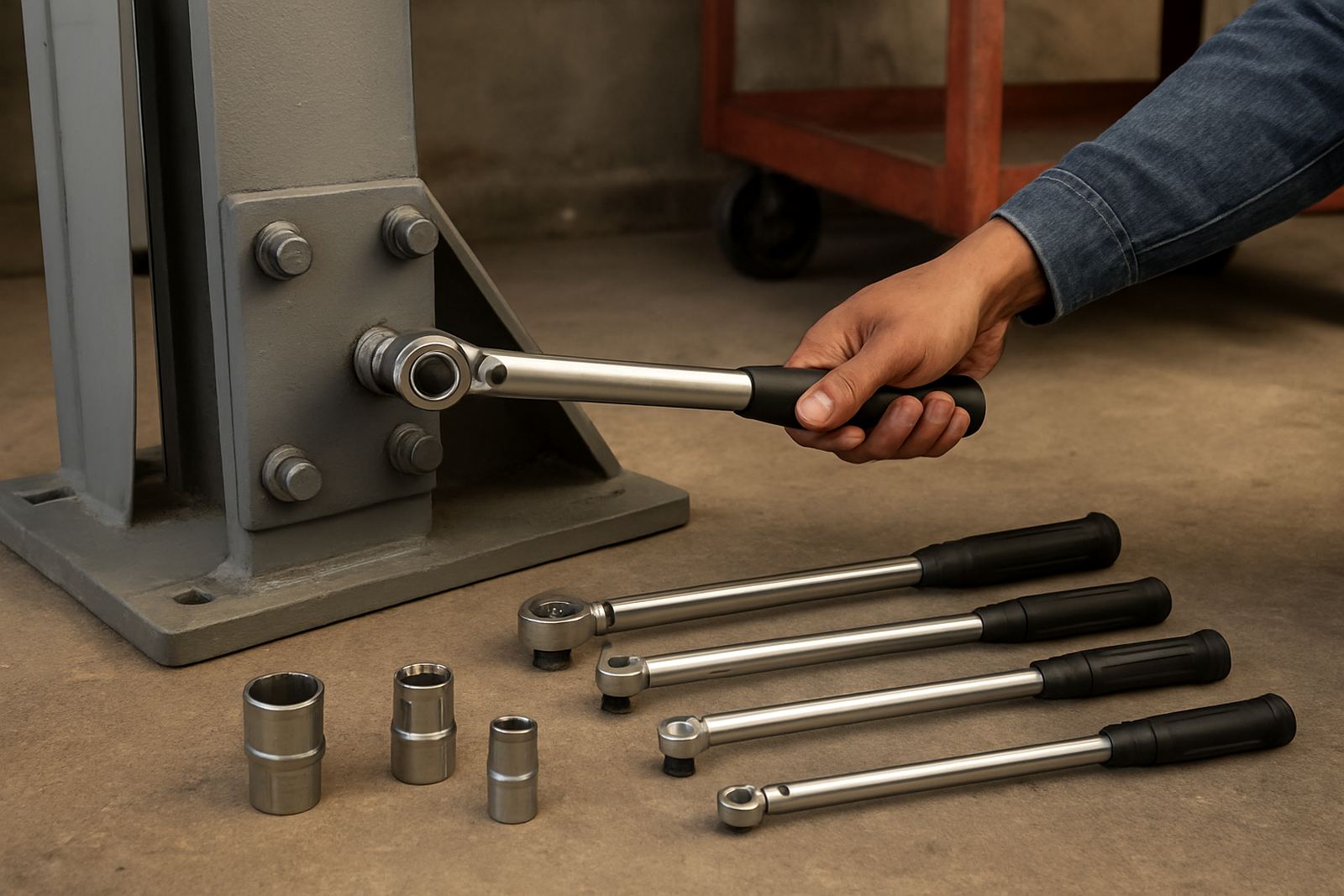
Hand tools should feel right from the first use, not after a week of forcing them into shape. For electricians, fitters, plumbers and general maintenance teams, the key points are handle comfort, steel quality, size range and whether the set covers the jobs you do most often.
- Choose the right jaw size, blade length or drive size for the fasteners you use most.
- Look for clear markings and simple storage so missing items show up quickly.
- Match the tool finish to the site conditions, especially coastal humidity in Durban and surrounding areas.
Power-Tool Accessories That Actually Earn Their Keep
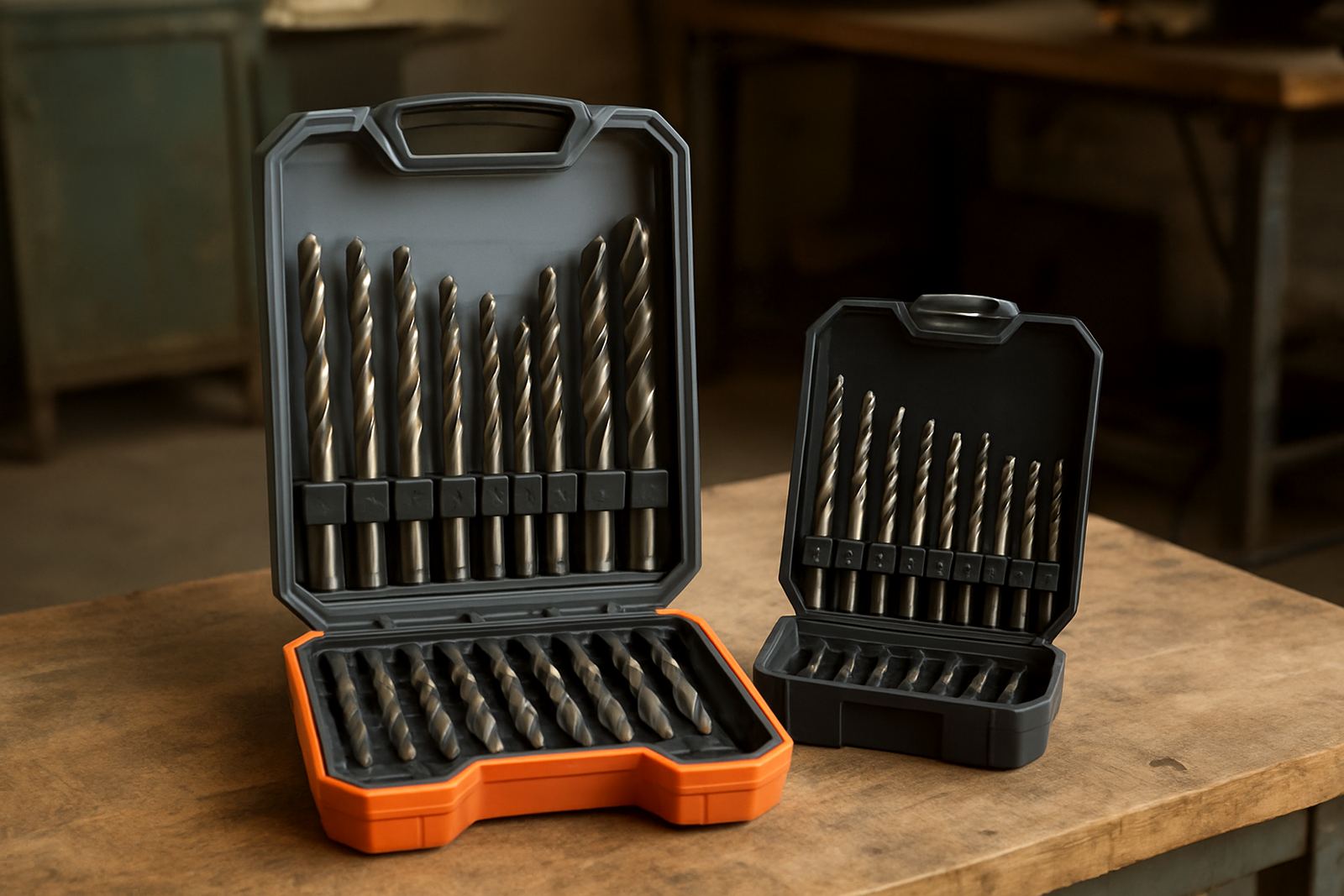
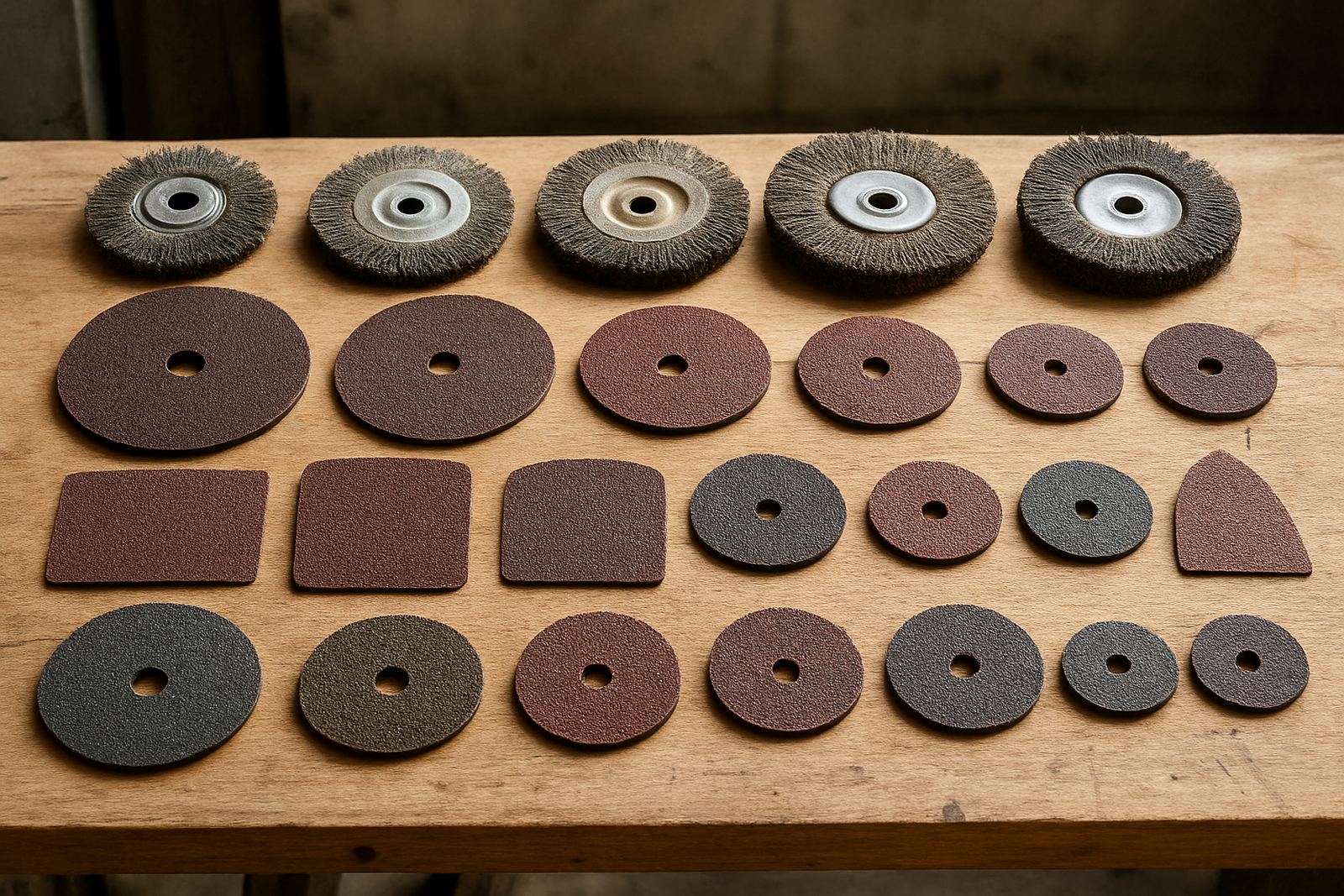
Accessories are often bought in a rush, then they become the reason a job slows down. The better choice is usually the one that lasts through repeated use, gives a clean finish and suits the machine you already own. Check shank type, grit, diameter, cutting depth and the material being worked.
For workshop teams in Pinetown, Westmead and New Germany, keeping the right accessories on hand can cut repeat trips to the supplier and reduce machine wear. It also helps when crews are sharing kit between jobs and need items that are easy to identify at a glance, even if the storeroom gets messy.
Starter Kits for New Workshops
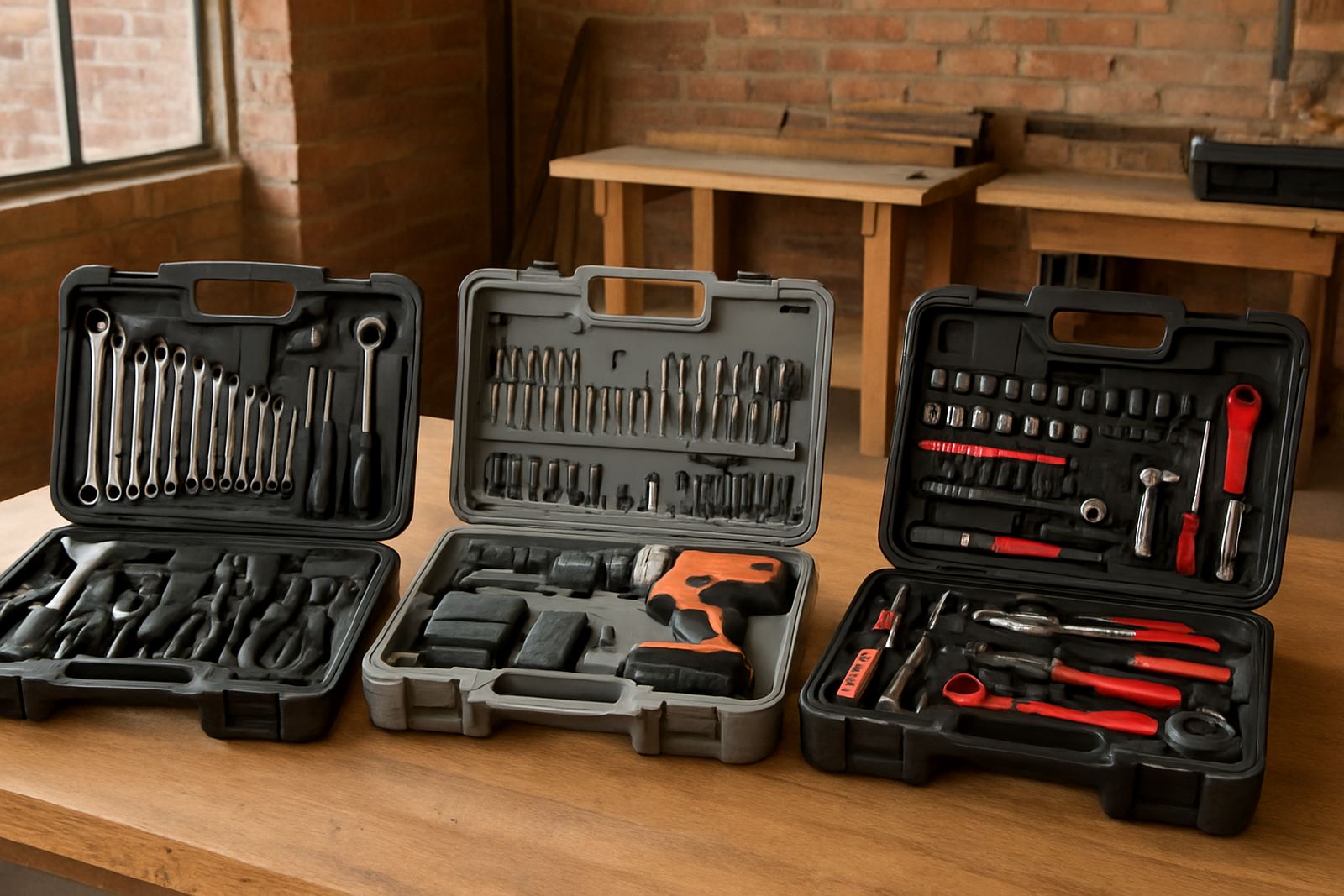
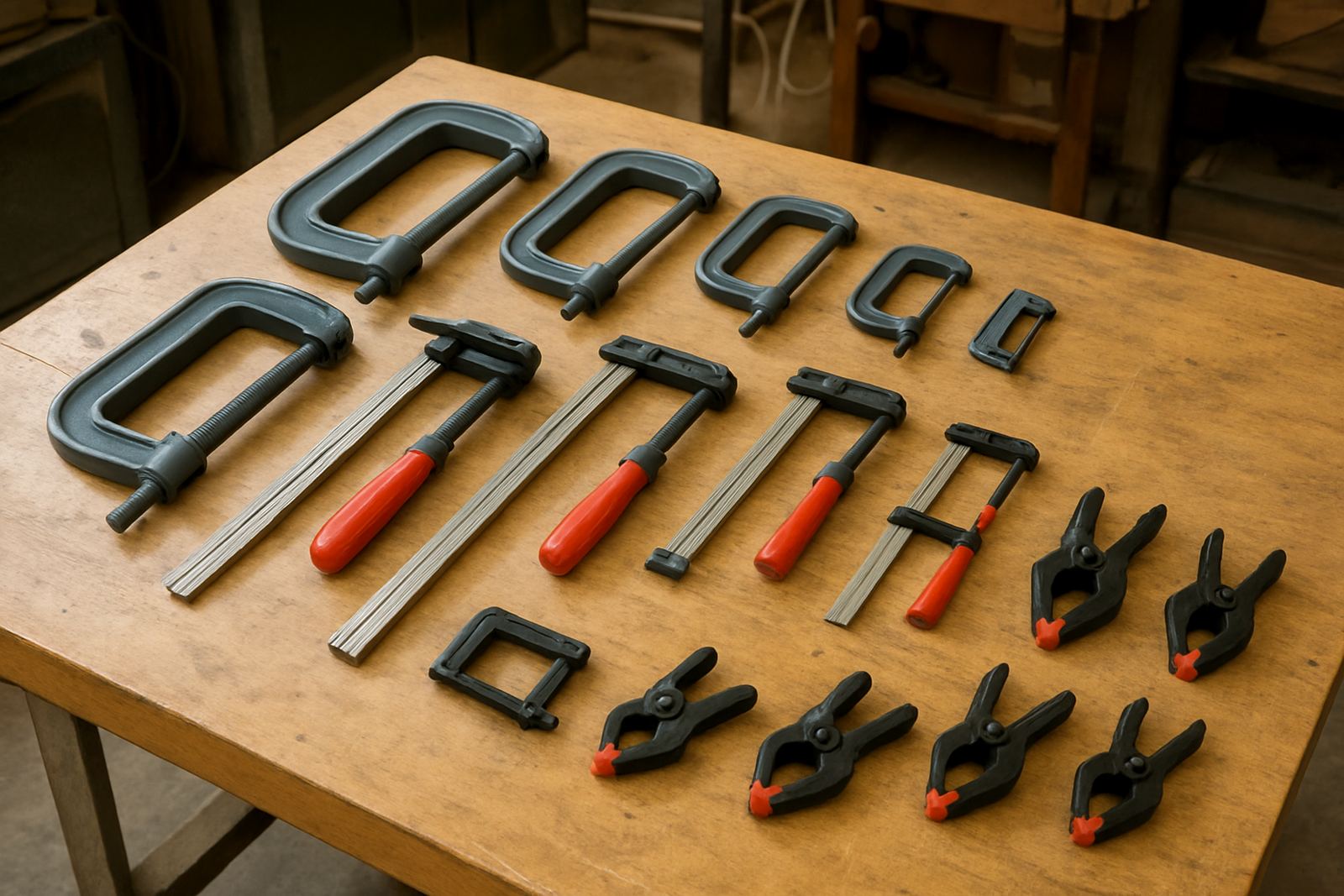
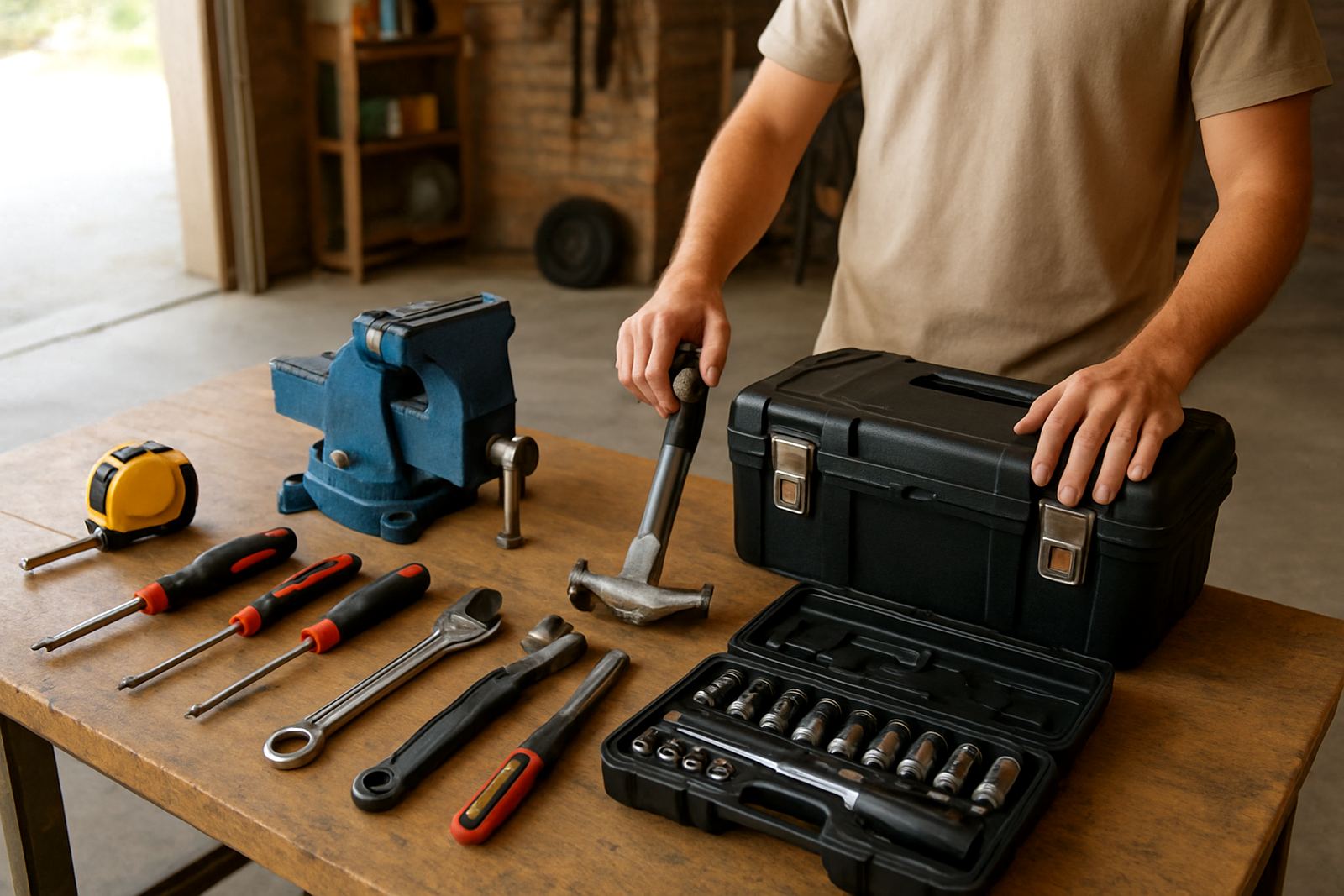
A starter kit should cover the first month of real work, not just the first day of unpacking. Think in terms of the tasks you must complete immediately, the number of users, and the space you have for storage. A smaller, well planned kit is often better than a large box full of duplicates.
- Basic measuring and marking gear.
- Core fastening and cutting tools.
- Common replacement items and consumables.
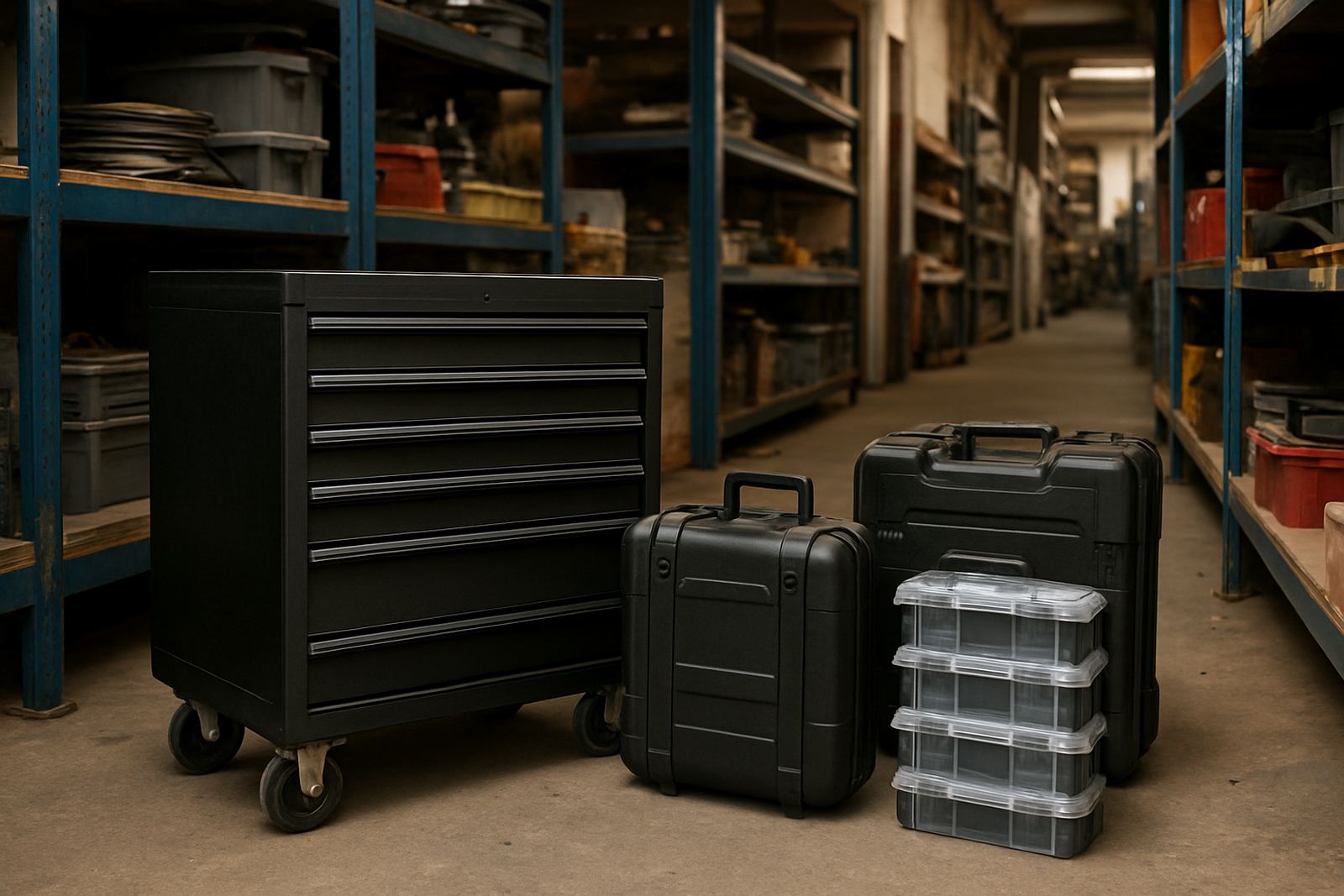
- Storage that keeps tools sorted for shift changes.
Budget Planning and Long-Term Value
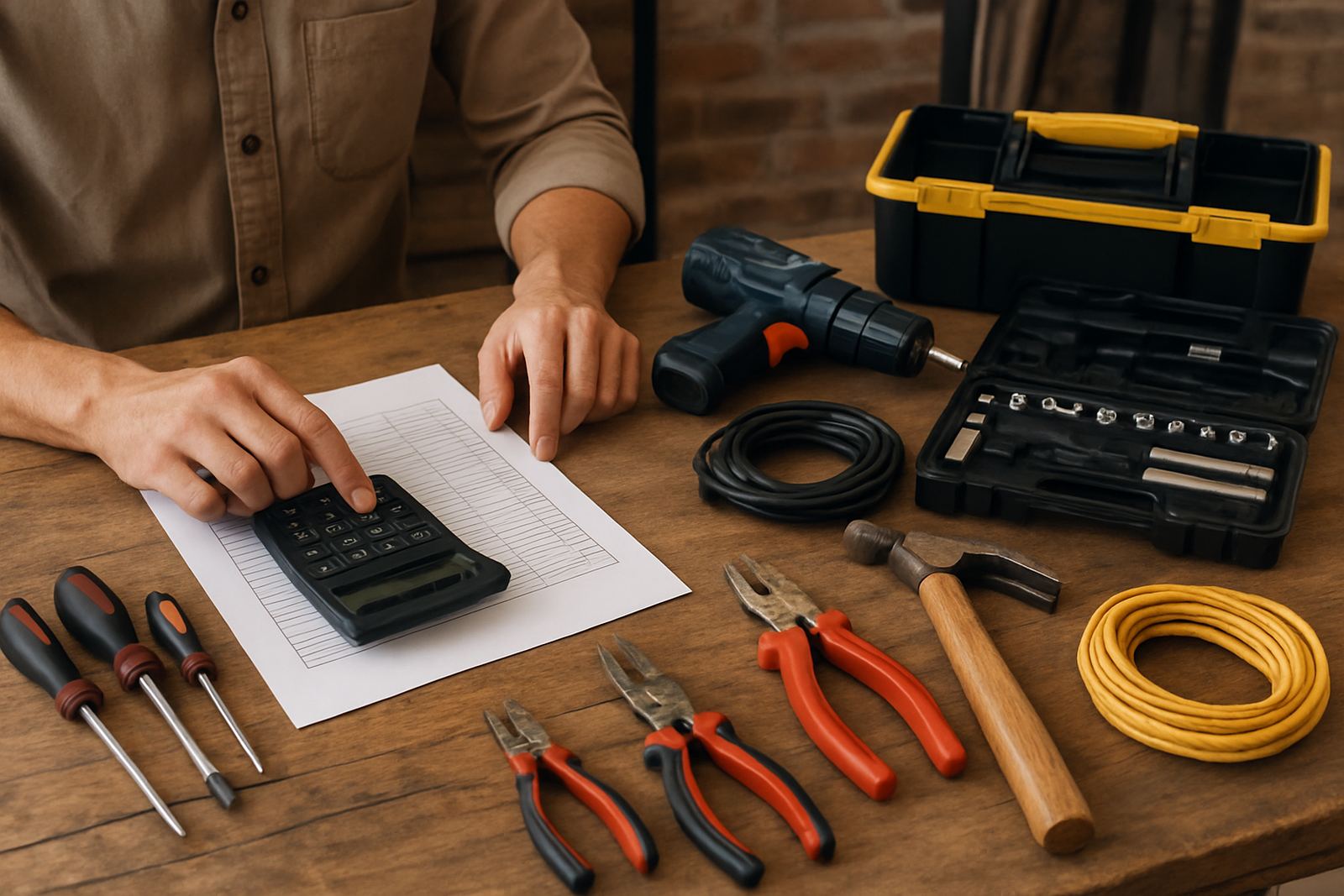
Price matters, but the cheapest option is not always the best value by month three. A better buying guide will compare the purchase price with wear life, replacement cost and how much downtime a poor choice can cause. That matters for small businesses watching cash flow and for larger teams that need fewer stoppages.
We also suggest checking whether the item can be replaced in parts or must be swapped out as a full unit. If a tool or accessory can be matched properly later, it often stays in service longer and costs less over time, which is what most trade buyers want.
Choosing for Site Conditions and Local Use
South African workshops face real conditions that affect tool choice, from dusty yards to sea air and high heat. A guide should take those basics into account, especially where storage is not ideal or tools move between vehicle, store room and site several times a day.
- For coastal areas, choose finishes and cases that resist corrosion better.
- For outdoor work, check visibility, grip and ease of cleaning.
- For municipal or compliance work, make sure the kit supports the standard you need on site.
When to Ask for Help Before You Order
If you are unsure what to buy, ask for tool kit planning, starter kit bundling or replacement matching before you commit. That is often the quickest way to avoid duplicate items and missing essentials. It also helps when you are standardising stock across a team or preparing seasonal workshop refreshes.
For buyers in Durban, Pinetown, Hillcrest, Umhlanga and nearby areas, practical advice can save time on returns and keep the workshop moving. Nationwide courier delivery also means you can plan the order properly once, then get on with the job.