Start With the Work You Actually Do
Before you compare case sizes or piece counts, list the jobs that fill your week. A maintenance team in Pinetown handling machinery guards, panels, pumps and brackets will need a different mix from a DIY user doing home repairs on weekends. For trade use, the right socket set should cover common fasteners without making you carry extra bulk on every call-out.
Think in terms of access, torque and frequency. If you often work in tight engine bays, behind conveyor covers or inside plant rooms, shorter sockets and a fine ratchet can matter more than a huge selection of rare sizes. If your team services heavy fittings, longer handles and larger drive sizes help with stubborn fasteners, especially after coastal humidity, rust or paint build-up.
- List the 10 jobs you do most often
- Note the fastener types and sizes used on each one
- Check where access is tight or awkward
- Decide if the set is for one technician or shared workshop use
Choose Drive Sizes That Match the Torque You Need
Drive size is one of the first choices to get right. A 1/4 inch drive works well for small fasteners, trim work and lighter maintenance where control matters more than force. A 3/8 inch drive is the all-round option for many South African workshops because it suits general servicing, equipment maintenance and most medium jobs. A 1/2 inch drive is better for heavier nuts and bolts, especially where more torque is needed.
If you are buying one set for mixed use, a 3/8 inch kit often gives the best balance. For a workshop in Westmead or New Germany where multiple technicians share tools, a combination of 1/4 inch and 1/2 inch sockets with a strong 3/8 inch ratchet can cover most maintenance work. For fleet maintenance, plant work or agricultural equipment, larger drive sizes are worth the extra space.
- 1/4 inch: light fastening, trim, small fixings
- 3/8 inch: general maintenance, service work, mixed tasks
- 1/2 inch: higher torque, heavier fixings, stubborn bolts
- Check the ratchet tooth count if you work in tight spaces
Pick Socket Types That Save Time on Site
Not all sockets do the same job. Six-point sockets grip flat sides well and are a sensible choice for worn or tight fasteners because they reduce the chance of slipping. Twelve-point sockets fit more positions on the fastener, which can help in awkward access, but they are not always the first choice when a bolt is already damaged. Deep sockets help when threaded studs or protruding bolts get in the way.
For a maintenance kit, a mix is usually the best value. Keep standard sockets for most work, deep sockets for longer fasteners, and spark plug or special-purpose sockets only if you know you need them. If your workshop handles a wide range of machines, from door hardware to motor housings and brackets, the extra few pieces can make a real difference to turnaround times. Don't buy more odd sizes than you will really use.
- Six-point sockets for grip and reduced slipping
- Deep sockets for studs and longer bolts
- Extensions for recessed fasteners
- Universal joints for awkward angles
Check the Accessories Before You Look at Piece Count
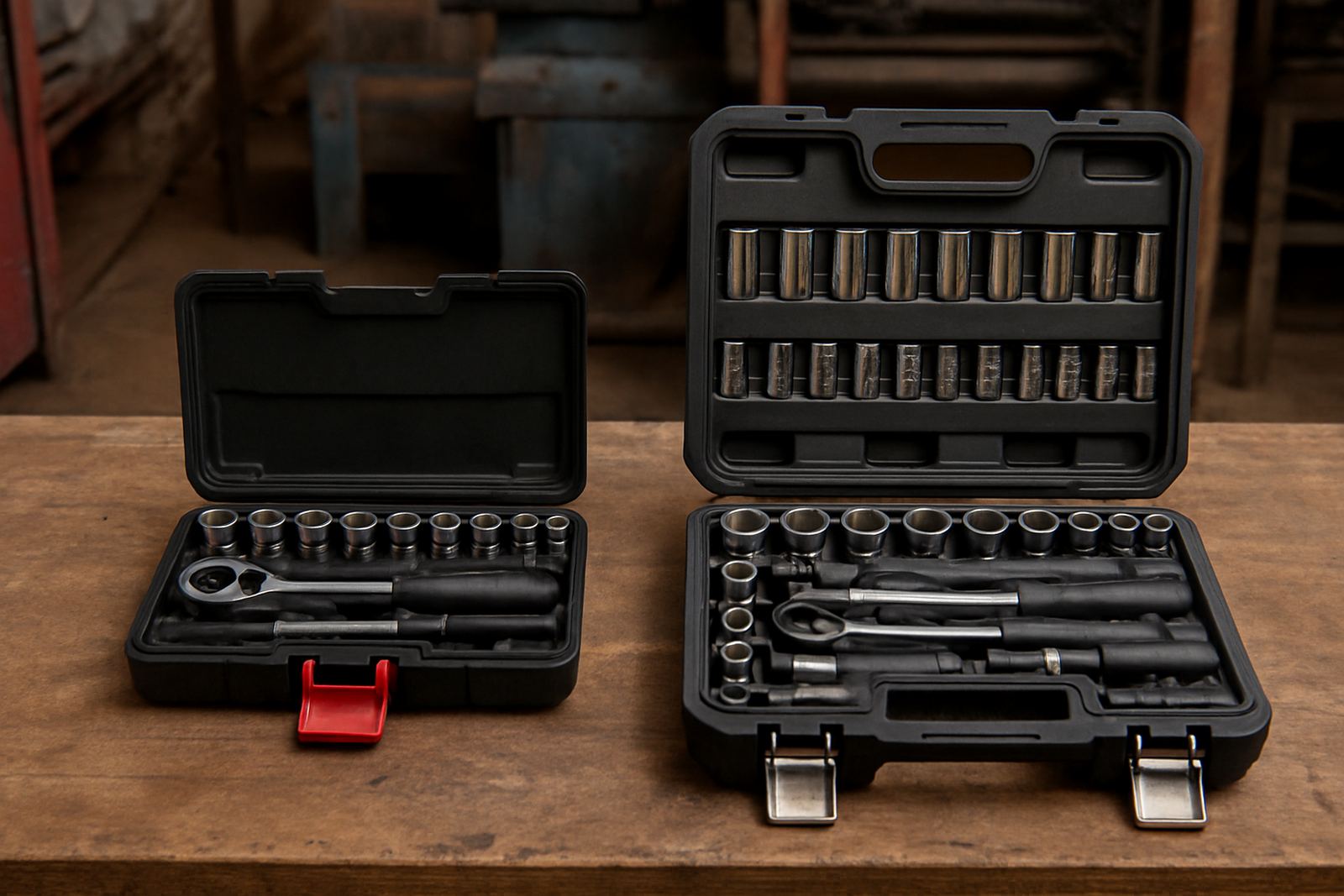
A large count does not always mean a useful set. Look at the accessories first. A good ratchet, a couple of extensions, a breaker bar and a cardan joint can be more useful than a box full of seldom-used sizes. If you work on machinery with recessed fixings, extensions and wobble pieces matter. If you strip and service items on site in Durban North or Umhlanga, portability and quick access may matter more than a massive range.
Also think about storage. A well-laid-out case or tray helps with stock control and reduces missing pieces. In shared workshops, labelled positions make it easier to return items after a rush job. For businesses running trade accounts, standardising socket sets across technicians can simplify replenishment and replacement matching. That saves time when load-shedding or urgent call-outs compress the working day.
- Ratchet feel and tooth count
- Extension length options
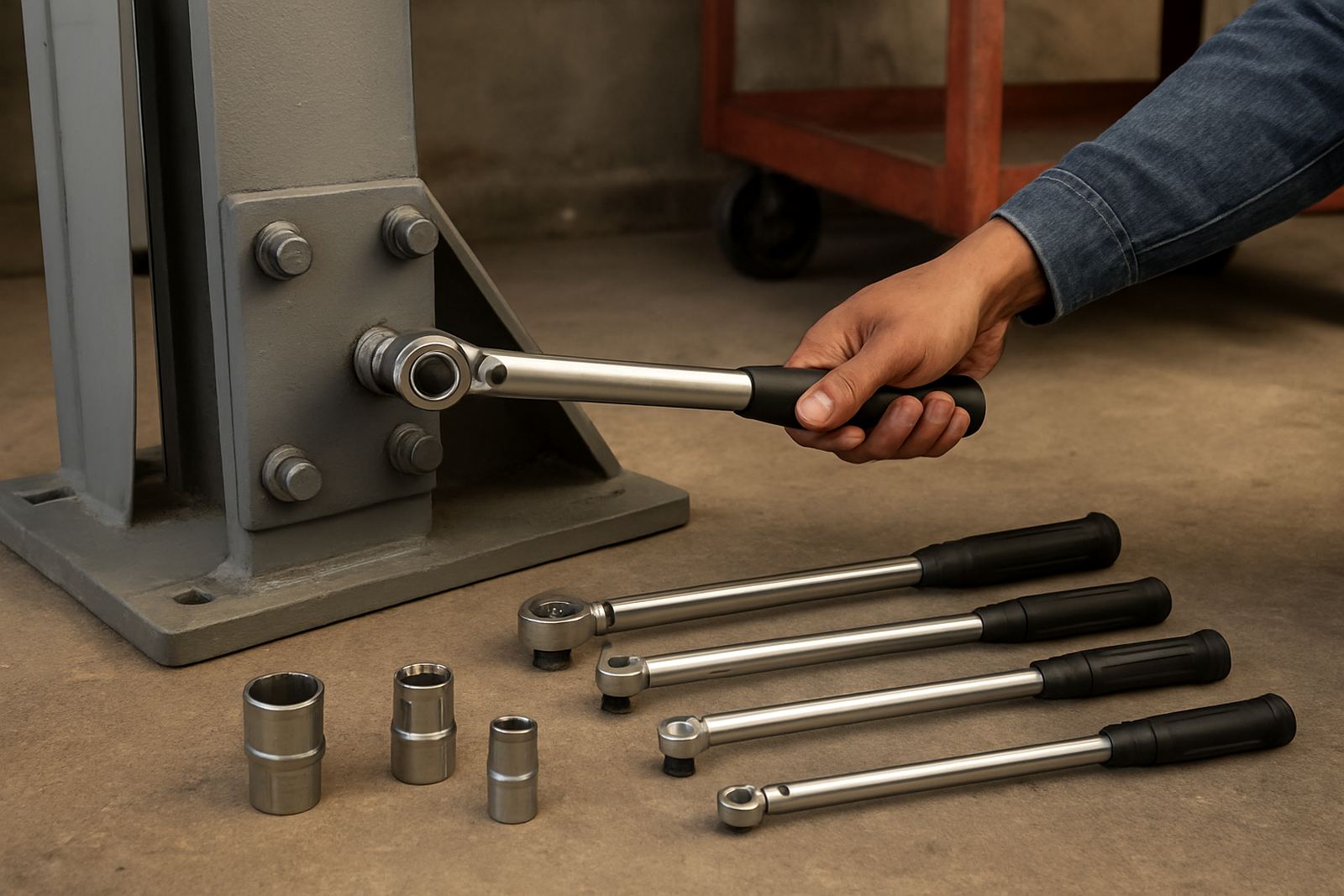
- Breaker bar for stuck fasteners
- Clear size markings on sockets
- Durable storage that stays shut in transit
Match the Set to Workshop Conditions in KwaZulu-Natal
Durban workshops deal with heat, moisture and salty air more often than inland sites, so finish and storage are practical concerns. If your tools live near the coast or travel between Pinetown, Hillcrest and Durban North, corrosion resistance and dry storage matter. A set that is easy to wipe down and keep organised will last longer and stay ready for daily use. In dusty areas, sealing the case properly helps keep grit out of the ratchet mechanism.
If your team works during outages, choose kit that can be used quickly with minimal setup. A compact socket set, a torch and a small extension bar can keep maintenance moving when power is limited. For municipal or site work, check whether your tool list needs to stay standardised for audits, tool issue records or safety control. The right set should fit your rules, not fight them.
Use a Simple Buying Checklist Before You Place the Order
A short checklist can stop expensive mistakes. Start with the most common sizes, then confirm any special needs like deep sockets, metric only ranges, or extra extensions. If you are setting up a new workshop, ask whether the kit should cover one technician or a whole bay. For replacement buying, match what is already in use so technicians do not end up with mixed drives and missing adapters.
Here is a practical order check before you buy:
- Confirm the drive size needed for most jobs
- Check whether the set is metric, imperial, or both
- List the extra pieces you will actually use
- Decide if the case will be stored, carried, or both
- Check for clear markings and easy replacement of missing parts
- Ask about courier delivery to your area and turnaround time
If you are not sure, speak to a supplier that understands workshop setup, stock list standardising and tool replacement matching. That way you can buy once, use the kit properly, and avoid paying twice for the same socket sizes.