Start With the Jobs Your Team Does Every Week
Before buying any pliers, look at the actual work done in the workshop, on site, or in the service van. A fitter in Pinetown may need strong gripping pliers for pulling, holding and shaping, while an electrician in Durban North may use cutters and needle-nose pliers every day for cable work and terminations. If your team is mixing installations, repairs and general maintenance, one box of mixed pliers is usually better than buying the same type in multiples.
Think about the size of the hands using them, the material being handled, and how often the tools will be used. For heavy daily use, comfort and jaw alignment matter as much as steel quality. If the pliers will sit in a kit that travels between Westmead, Hillcrest and Umhlanga, choose pairs that are easy to identify and simple to replace when one goes missing.
- List the top 10 repeat tasks in your workshop
- Mark where you need gripping, cutting, bending or holding
- Check if the work is light assembly, general trade, or heavier maintenance
- Decide which tools must live in a kit and which can stay on the bench
Match the Pliers Type to the Task
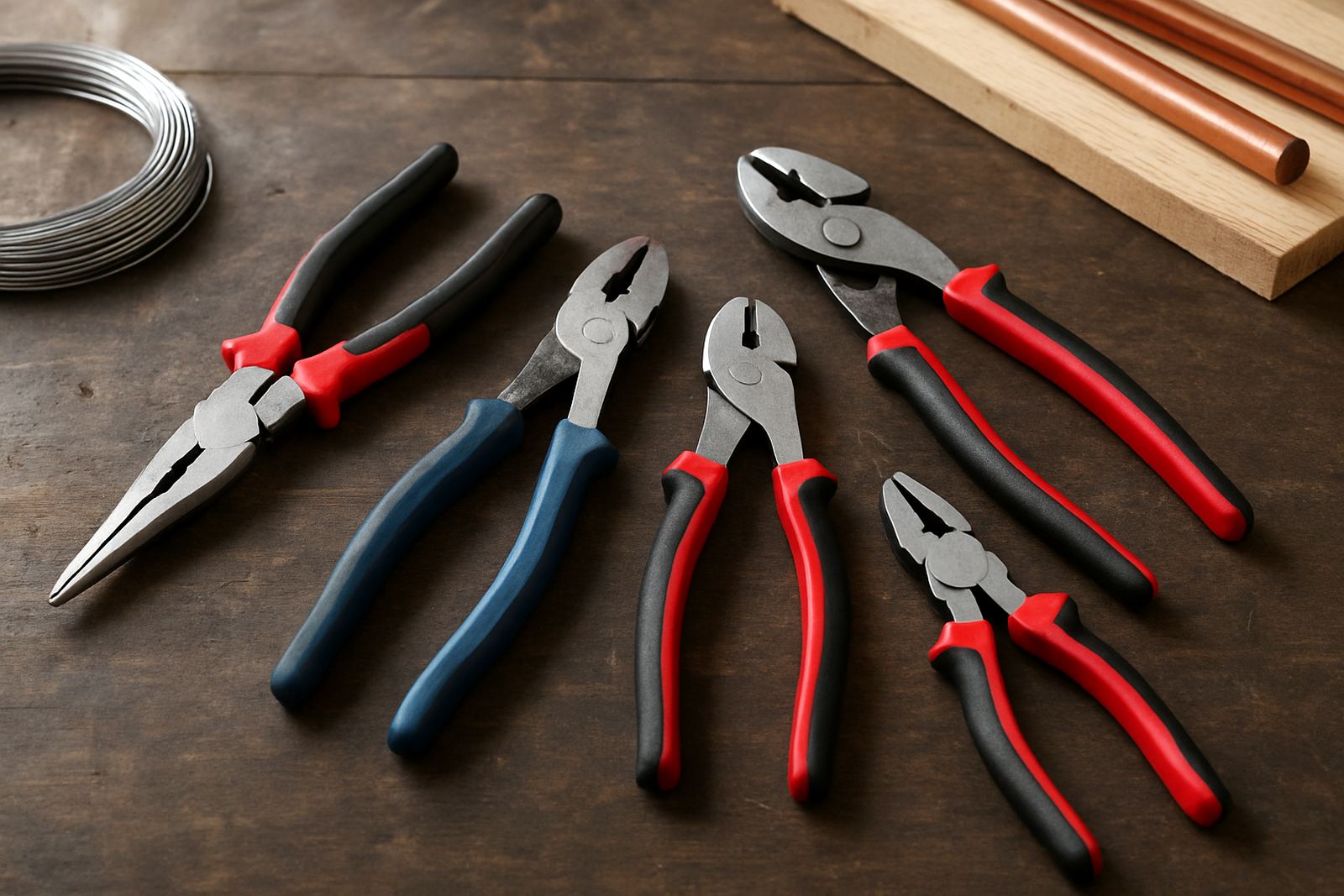
Different pliers solve different problems. Long-nose pliers help reach into tight spaces, side cutters handle wire and cable ends, combination pliers give you a mix of grip and cut, and locking pliers hold parts steady when your hands are needed elsewhere. For mechanical work, crimping pliers and circlip pliers can save a lot of time, especially when the job calls for repeat accuracy.
A common mistake is buying only general-purpose pliers and expecting them to cover every task. That works for a while, then the team starts using the wrong tool and the jaws get damaged. Better to build a small, useful set first, then add specialty pliers as the workload demands it.
- Gripping pliers: holding, twisting and pulling
- Cutting pliers: wire, tie wire and cable ends
- Long-nose pliers: narrow access and fine control
- Locking pliers: clamping and temporary holding
- Specialty pliers: crimping, circlip, cable and hose work
Check Jaw Shape, Cut Quality and Grip Comfort
The jaw shape should suit the material you work with most often. Smooth jaws are useful where marking must be kept to a minimum, while serrated jaws give more bite on rougher work. Cutting edges should meet cleanly and close without light showing through the tip. If the blades are poor, the tool will crush wire instead of cutting it, and that wastes time.
Grip comfort is easy to overlook until the pliers are used for a full shift. On a hot day in Durban, with gloves on and off, handles should feel secure without being too bulky. If the team works through load shedding and uses torches or battery lights on the bench, good handle colour and clear tool identification help prevent mix-ups. Check the return spring if fitted, and make sure the tool opens easily without pinching the hand.
- Open and close each pair several times
- Check that both jaws meet evenly
- Test the cutter on a short off-cut if possible
- Look for handles that stay firm when hands are oily
- Choose a size that suits the work, not just the price
Build a Workshop Set That Covers the Real Basics
For most South African trade workshops, a practical starting set usually includes combination pliers, long-nose pliers, side cutters and one heavier gripping pair. From there, add one or two specialty tools based on the type of work being done. If the workshop services generators, pumps, vehicle electrics or light fabrication, the set can be adjusted quickly without overbuying.
A starter kit should also match the replacement pattern in the business. If pliers are shared between benches in New Germany and Pinetown, buy spares for the most used sizes. That keeps downtime low when one pair disappears or gets damaged. It also helps to standardise the stock so everyone knows what belongs in each kit.
- 1 or 2 combination pliers
- 1 long-nose pair for fine access
- 1 side cutter for wire and ties
- 1 locking or gripping pair
- Specialty pliers only where needed
Choose for the Conditions, Not Only the Catalogue
South African workshops deal with dust, coastal humidity, heat and the odd knock from a busy bench. In coastal areas like Durban North and Umhlanga, corrosion resistance matters more than many buyers expect. Tools stored in an open van or a non air-conditioned store room should be wiped down and kept dry, otherwise the joints start to stiffen and the cutters lose feel. A small drop of light oil now and then goes a long way.
If the tools may be used near electrical work, follow the correct safety category and site rules for the job. For municipal and site contracts, some clients require inspection-ready kits with clear tagging and replacement records. That matters on bigger jobs where compliance is checked and missing tools can delay sign-off. It is worth setting the kit up right the first time, because rework costs more than a proper purchase.
Simple Buying Checklist Before You Place an Order
Once you know the tasks and conditions, use a short checklist to avoid missed items. This is especially useful when placing orders for trade accounts, courier delivery or a seasonal refresh. A clean list also helps when matching replacements, so the new pair fits the existing kit instead of creating another mismatch.
- Confirm the main tasks the pliers will perform
- Choose the right jaw type and cutting style
- Check handle comfort and grip in oily hands
- Decide on standard sizes for repeat ordering
- Include spares for high-use kits and site bags
- Note any special safety or compliance needs
If you are setting up a new workshop in Pinetown, Westmead or further afield, a planned pliers order saves money and reduces confusion. It also makes training easier because the team learns one standard set instead of five different versions of the same tool. That kind of order helps on busy days when everyone is under pressure and there is no time to search for the correct tool.
Use Training to Get More from the Tools You Buy
The right pliers do more than fill a tray. They improve speed, reduce hand strain and cut down on damaged parts. That is why tool choice and user training should go together. If a team knows which pliers to use, how hard to grip, and when to stop and replace a worn tool, the kit lasts longer and jobs are completed more cleanly.
For workshops with mixed skill levels, short inductions work well. Show new staff how to identify each type, how to store them, and how to spot worn jaws or bent tips. Keep a simple replacement note beside the stock list, so the next order is quicker. Small habits make a big difference, especially when the workshop is running hard and there is no time to second guess the tool box.