Start With the Job, Not the Box
A starter kit should fit the work you do most often. If you are setting up in Pinetown, Westmead or Hillcrest, think about the first 20 jobs on your list rather than the full wish list. A good kit gives you the basic hand tools, the right power-tool accessories and a few consumables that keep the job moving when stock is low or the power is off.
For trade workshops, the biggest mistake is buying mixed items that look useful but do not support daily work. Pick a kit that covers your core tasks, then add special items later. That keeps your spend under control and makes stock easier to track in a small workshop, especially when more than one person is sharing the same gear.
Choose by Trade and Task Mix
Different trades need different starter kits. An electrical workshop needs testers, insulated hand tools, wire accessories and clear labelling supplies. A fitting and turning setup needs measuring tools, cutting accessories, clamps and general maintenance items. A light fabrication bay may need grinding consumables, marking tools and fastening items. For DIY users, a simpler kit with a solid tool roll, sockets, screwdrivers, pliers and a drill accessory pack is usually enough.
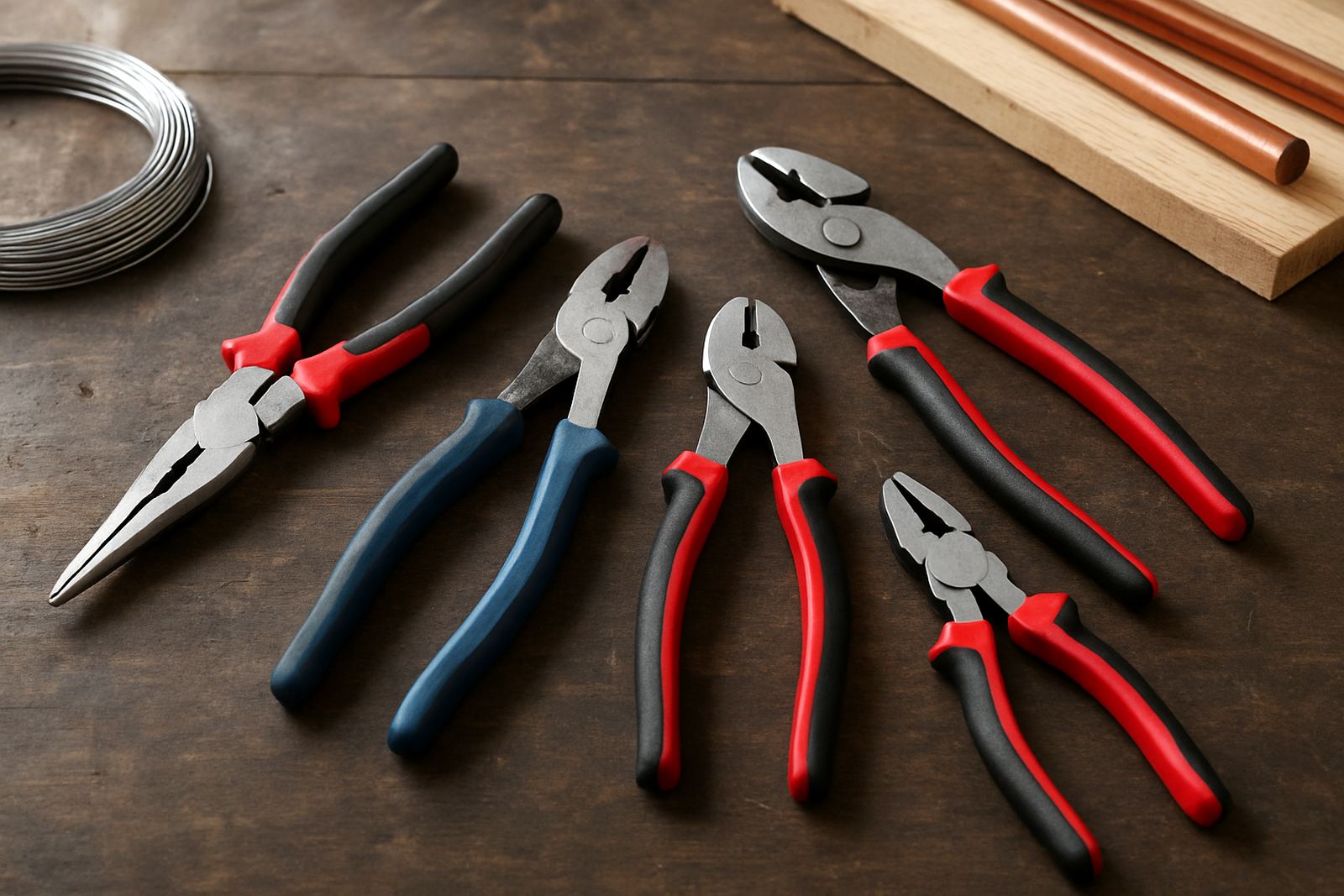
- Electrical: insulated pliers, screwdrivers, cutters, tape, markers and tester support items
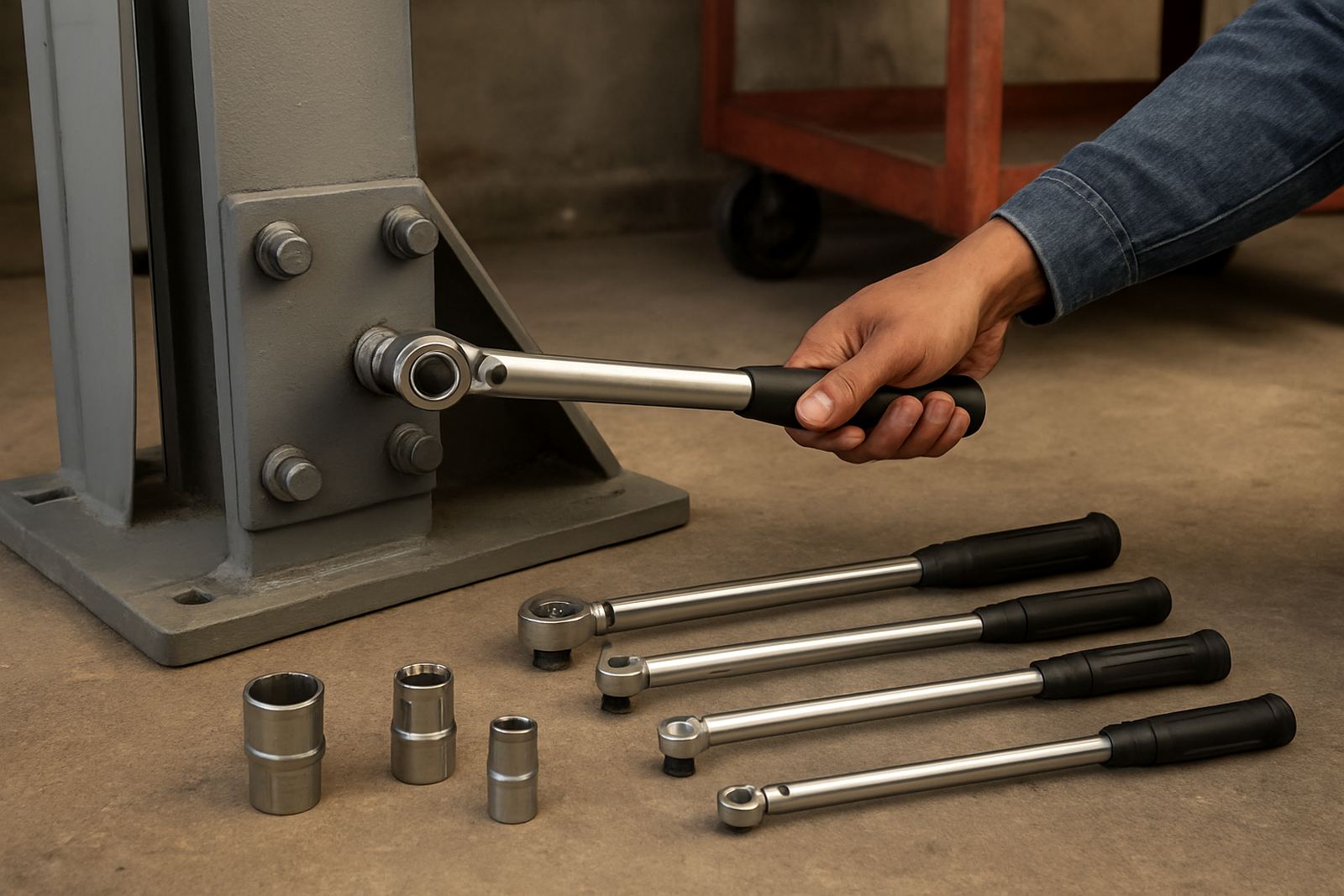
- Mechanical: spanners, sockets, ratchet sets, hex keys, torque-related accessories and grease tools
- Woodwork and site fit-outs: measuring tools, blades, bits, clamps, fixings and dust control items
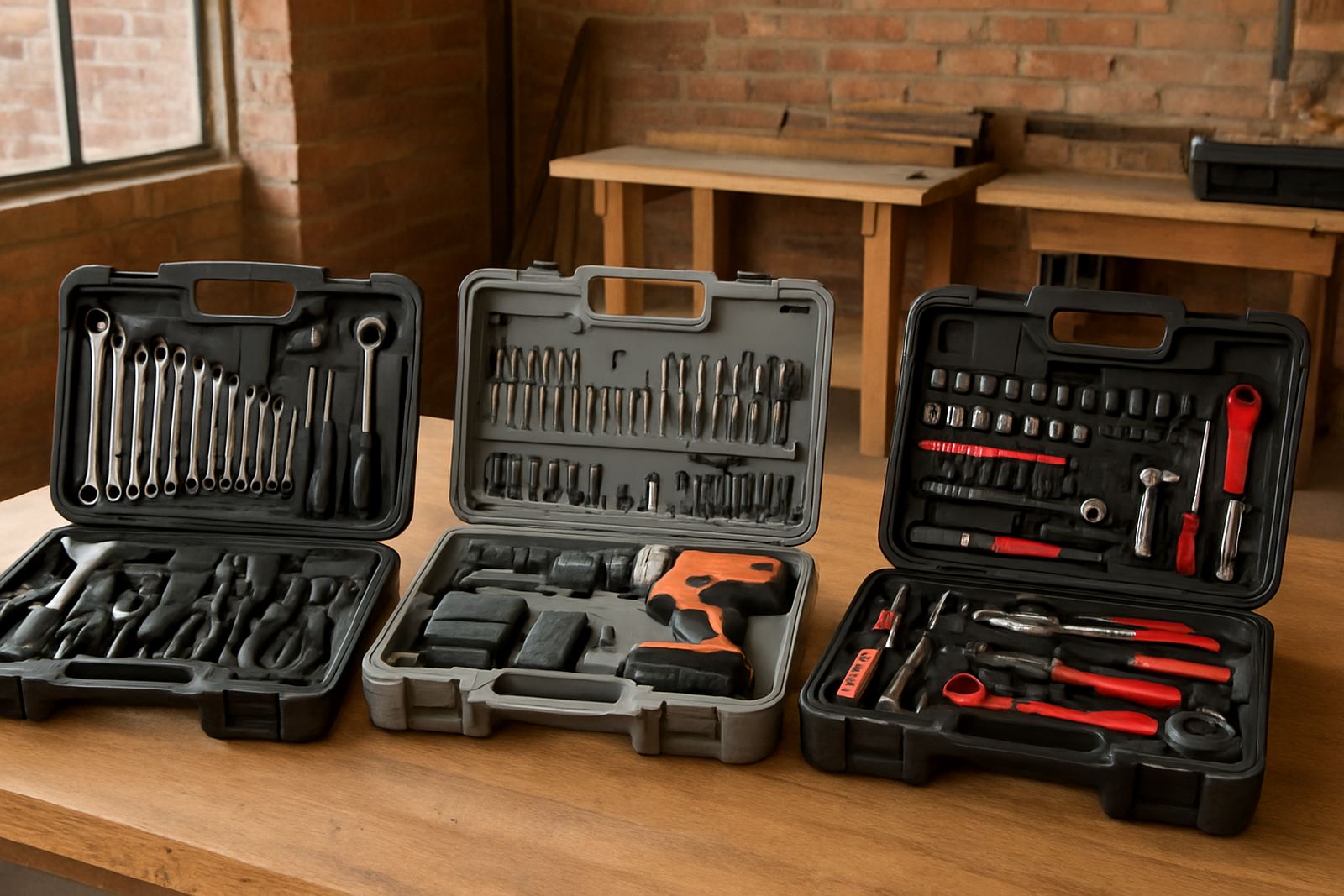
- General maintenance: mixed hand tools, drill bits, fasteners, utility knives and a storage case
If your team does a bit of everything, ask for a blended kit rather than a single-trade pack. That usually works better for maintenance teams in Durban North, Umhlanga and commercial sites where response work changes from week to week.
Match the Kit to User Level
A first-time user needs a different setup from a senior artisan. New staff need a kit that is simple to count, easy to carry and hard to misuse. A more experienced user may already have favourites, so the starter kit should fill gaps rather than replace everything. If you are building a training stock room, start with basic sets for each station and keep a spare items tray for shared use.
- Beginner level: basic hand tools, clear labels, storage case, safety items and a short use checklist
- Intermediate level: larger socket sets, extra drill bits, measuring tools and common spares
- Advanced level: specialist accessories, replacement heads, precision items and trade-specific consumables
It also helps to check whether the user will work on site, in a fixed workshop or both. Site users need portable cases and fewer loose items. Workshop users can work with more spread-out storage, but the kit still needs to be counted and put back in place after every job.
What a Good Starter Kit Should Include
Any kit worth buying should do three things: get the job started, keep the job going and make restocking simple. Look for a sensible mix of tools, accessories and consumables instead of only one category. A drill with no bits, or a hand-tool set with no fasteners or cutters, will slow the team down. The right pack should also handle everyday wear in hot, humid areas such as Durban and the coastal belt, where metal tools can rust if they are stored badly.
- Core hand tools: screwdrivers, pliers, spanners, cutters and a hammer
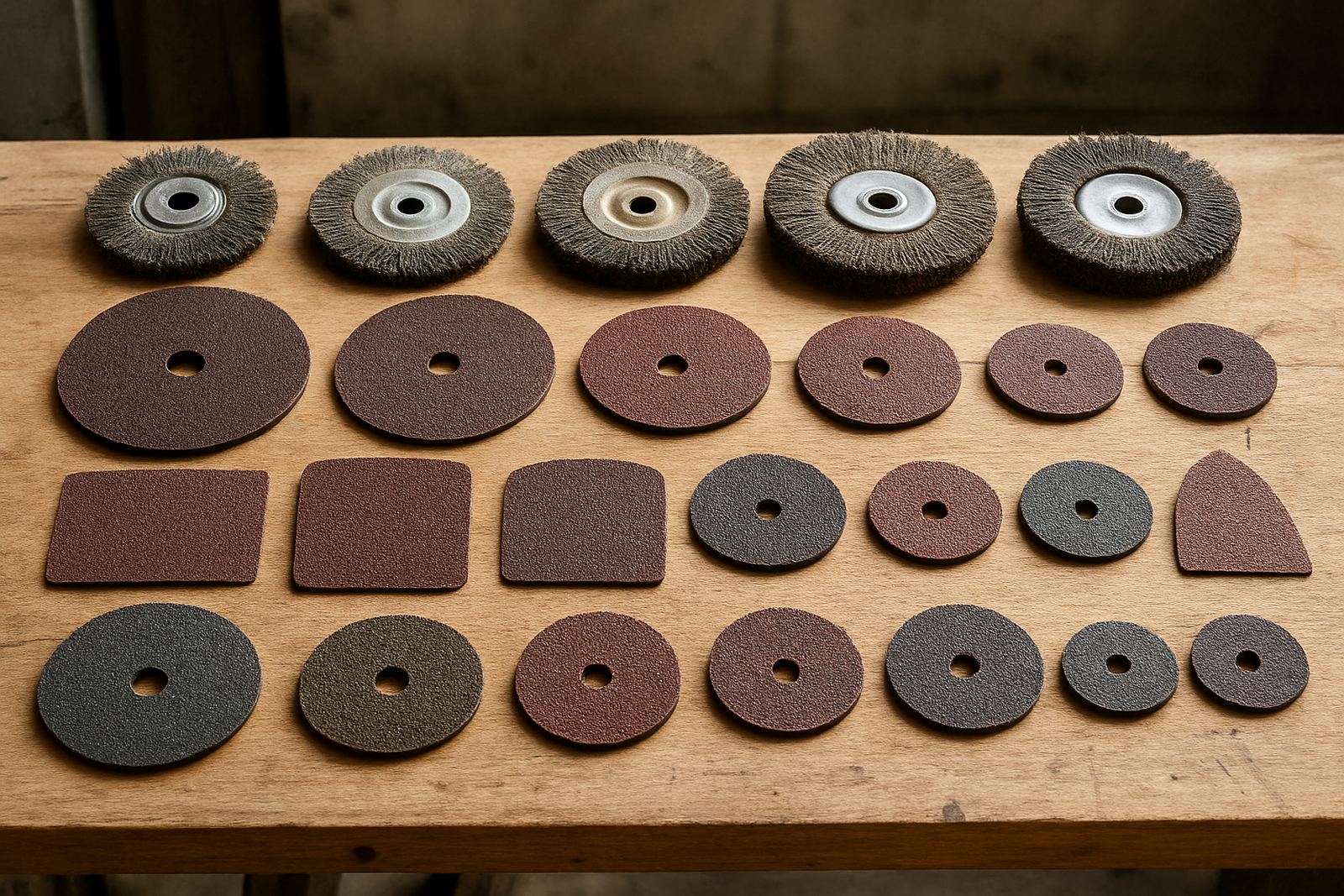
- Power-tool accessories: drill bits, driver bits, saw blades or discs where relevant
- Consumables: tape, fasteners, cable ties, cleaning items and marking aids
- Storage: case, pouch, tray or lockable cabinet for easy control
- Safety basics: eye protection, gloves where suitable and clear handling notes
Also ask about replacement matching. If one part wears out, you want a straight replacement without guessing sizes, thread types or bit profiles. That matters when load-shedding interrupts work and every hour counts.
Build for Your Workshop Goals
Your workshop goal changes the kit choice. If the aim is to launch fast, keep the kit compact and focused on the first month of work. If the goal is to train apprentices, include extra consumables and duplicate hand tools so more than one person can practise at once. If the goal is to standardise stock across a small team, choose kits with repeatable item lists and countable storage.
For businesses in New Germany, Westmead and surrounding industrial areas, starter kits often need to support both repair work and routine maintenance. In that case, a mixed starter bundle is usually better than separate small buys. It also makes trade account support and replenishment easier because the buying list stays consistent from month to month, which saves time when ordering by email or by courier run.
Use This Quick Buying Checklist
Before you place an order, work through this short checklist. It helps you avoid buying duplicates, missing common spares or choosing items that do not suit the work area.
- What trade work will this kit cover in the first 90 days?
- Who will use it and what is their experience level?
- Will the kit stay in one workshop or move between sites?
- Do you need a basic pack, a blended pack or a full starter bundle?
- What consumables will need monthly replenishment?
- Do you need on-site induction or tool use training with the purchase?
If you are unsure, start with the smallest kit that still covers the main job and leave room to add items later. That usually gives better value than overbuying at the start and finding half of it untouched after three months.