Why A Clean Fit Matters On The Workshop Floor
Hex keys look simple, but most damage starts when the driver is the wrong size, pushed in at an angle, or used with too much force. In a busy Pinetown workshop, that often means a stripped cap screw, a rounded tool tip, and extra time spent drilling out a fastener that should have come loose in the first place.
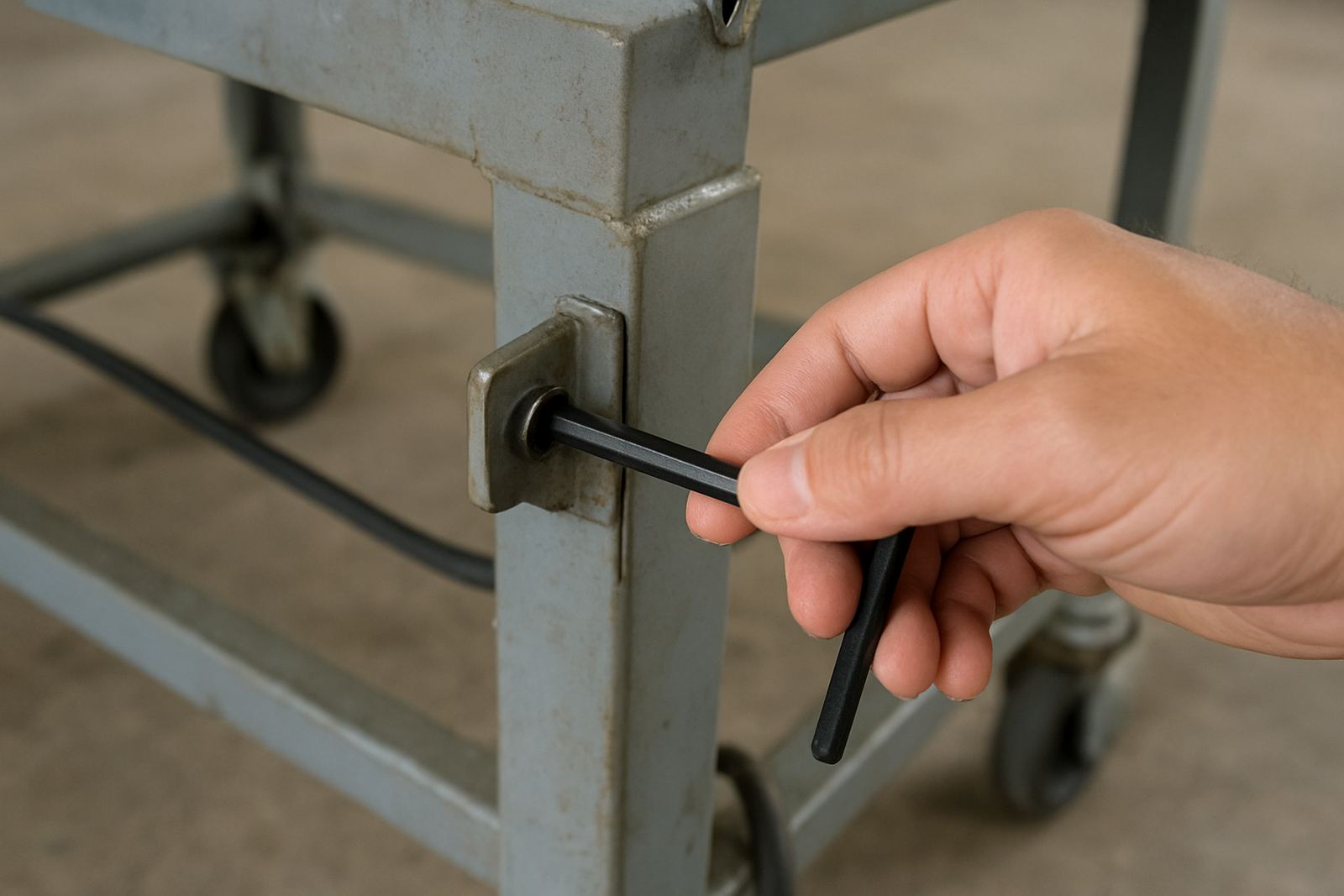
Correct seating spreads the load across the full contact face of the hex socket. That matters on machinery covers, electrical enclosures, brackets, guards, and furniture fittings. It also matters when humidity, dust, and light surface rust make fasteners harder to release. A proper fit gives the hex key more bite and reduces slip, which keeps both the screw and the tool in service for longer.
How To Choose The Right Hex Key For The Job
Not every hex key is suited to every fastening. Short-arm keys are handy where space is tight, while long-arm versions give better reach and more leverage. For workshop kits, both types are useful. The key is to match the tool to the access and torque needed, not just grab the nearest one.
In our experience, the best results come from keeping a set that covers the common sizes used in South African trade work. That usually means a tidy range for light assembly, machine servicing, and general maintenance. A missing 5 mm or 6 mm key can waste half an hour when a simple panel needs to come off before load-shedding testing or end-of-day shutdown.
- Use the exact size where possible, not the nearest size that almost fits.
- Choose long-arm keys for extra reach and controlled leverage.
- Keep ball-end keys for angled access, but do not force them on stubborn fasteners.
- Replace worn keys before the corners start to round off.
Leverage Without Damage
More leverage is useful, but only up to the point where the fastener starts to cam out. A long handle can help break loose a stuck screw, yet too much side force bends the key and damages the socket. The trick is to keep pressure straight in line with the fastener while turning smoothly.
On site in Durban North or Umhlanga, where salt in the air can make fittings seize quicker, technicians often reach for extra force too early. A better approach is to clean the socket, tap in the key fully, and use steady pressure. If a screw is tight from corrosion, a light penetrating agent and a few minutes wait can save the head. For small electronics or trim work, use less force and a smaller hand tool, because over-tightening is just as costly as stripping.
- Seat the hex key fully before applying torque.
- Pull with control, do not jerk the handle.
- If the fastener resists, stop and check for corrosion or paint build-up.
- Use a breaker bar style handle only where the fastener and tool are rated for it.
Workshop Habits That Protect Fasteners
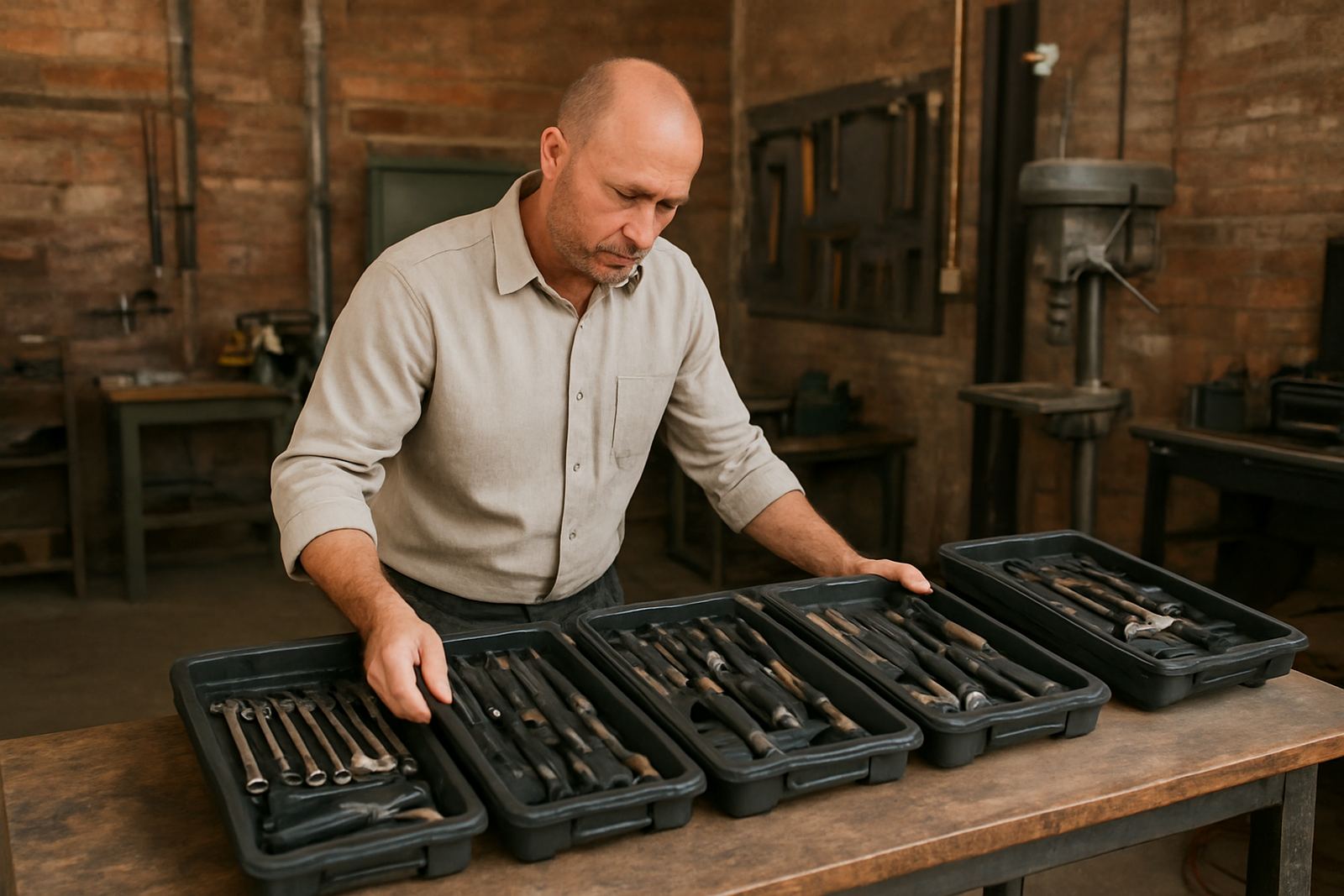
Good habits make a bigger difference than most people expect. Keep hex keys clean, sorted by size, and stored where they do not rub against heavier tools. When a key gets burred or rounded, remove it from service. A worn tool can look fine at a glance and still damage the next cap screw it touches.
For mixed workshop teams, standardising the sizes in common use helps a lot. It reduces chasing, speeds up maintenance, and cuts the number of misfit tools floating around the job. That is useful whether you are setting up a new bay in Westmead or refreshing a maintenance cart in Hillcrest. If the same size appears in three different places, someone will eventually pick the wrong one.
Starter Kits For Trade Teams And Home Users
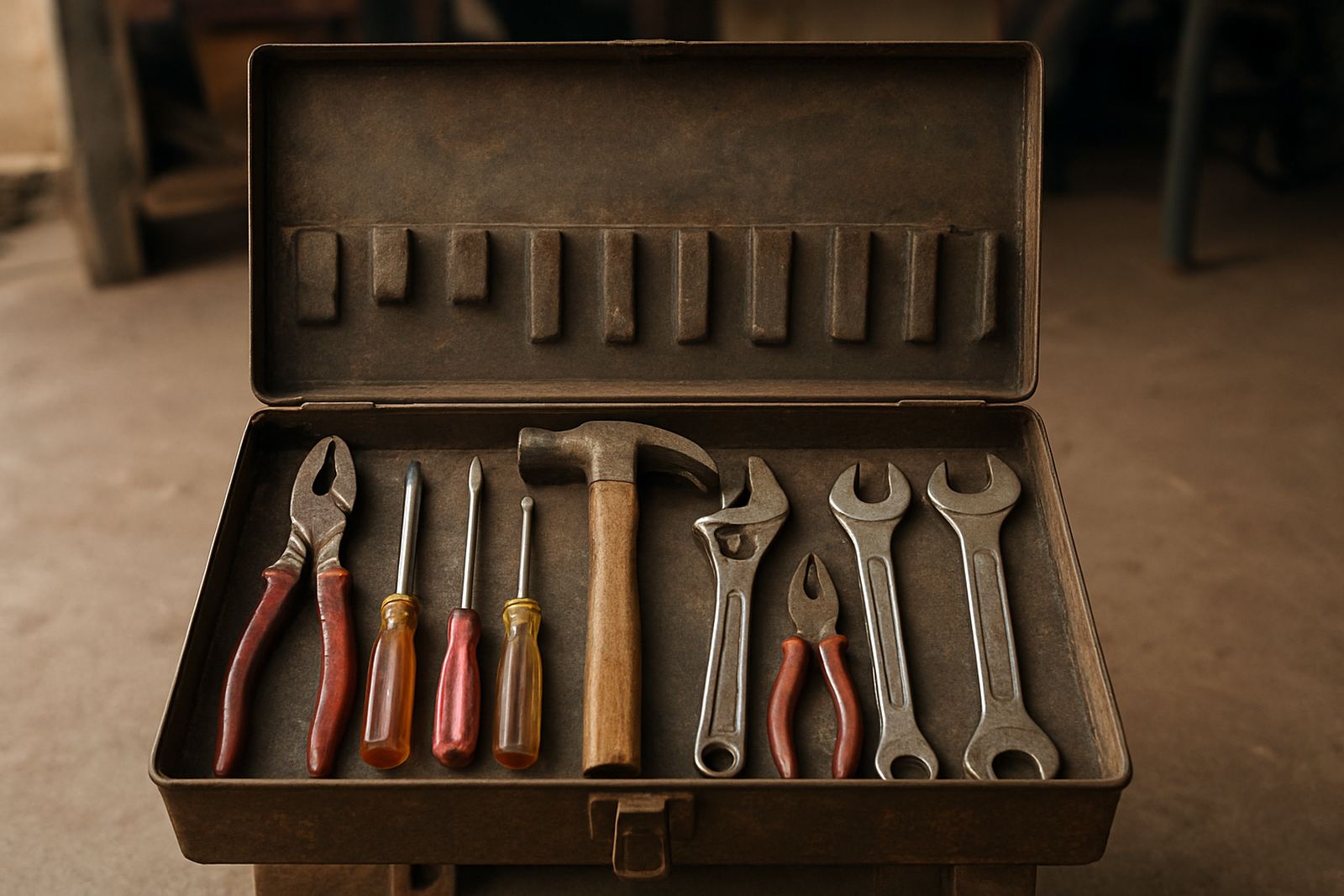
A sensible starter kit should cover the fasteners you actually meet, not every possible size under the sun. For a workshop doing general repair and assembly, a compact set with both metric and common accessory items often makes more sense than a large box of duplicates. Add a holder, a few spare bits, and a small inspection routine, and the kit stays useful longer.
For DIY users, the goal is simple, reliable coverage for furniture, appliances, and light equipment. For trade teams, the target is speed and consistency across shifts. In both cases, a neat kit reduces waste and makes it easier to train new hands. One small tip: keep the most-used size near the top of the bag, not buried under everything else, because that is the one you will reach for first.
- Include the sizes used on your common machines and fittings.
- Add a holder or case that keeps keys sorted by size.
- Keep one spare of the most used size in the van or toolbox.
- Replace damaged keys before they start ruining screws.
A Durban Example: Salt Air, Tight Deadlines And Better Tool Control
A maintenance team working between Pinetown and the Durban coastal belt has different conditions to a dry inland site. Salt air, heat, and regular shutdown windows mean tool control matters. If a technician opens a machine cover and the first screw rounds off, the delay affects the whole shift. A proper hex key set, checked before the job, prevents that knock-on effect.
We have seen better results when teams keep a simple replenishment list, match replacements by size and tip condition, and brief staff on seating the key fully before turning. It sounds basic, but it saves money. Fewer damaged fasteners means fewer drill-outs, fewer replacement parts, and less downtime. For smaller workshops, that can be the difference between finishing on time or staying after hours with a screwdrvier and a headache.