Why cheap tools end up costing more in trade work
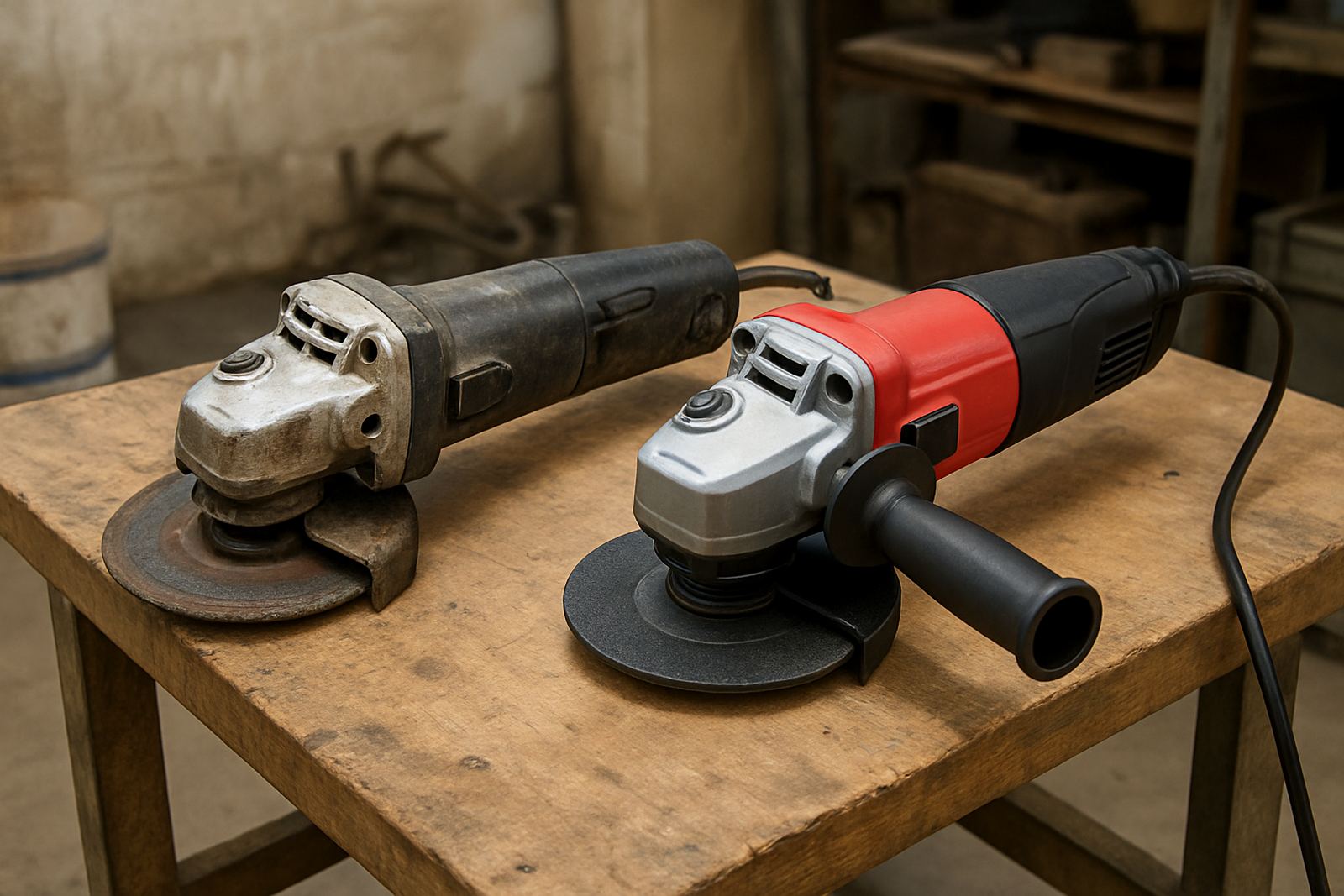
In a busy workshop, the cheapest option is rarely the best value. A low-cost spanner that rounds off, a drill bit that burns out early or a socket set with poor fit can stop a job halfway and send your team looking for a replacement. That is lost time, lost labour and often a frustrated customer waiting on the other side.
For Durban and Pinetown workshops, the real cost shows up fast. Salt air near the coast can be hard on metal, and load-shedding puts more pressure on cordless tools, chargers and backup equipment. If a tool fails twice in a month, the purchase price starts to look small next to the replacment cost, travel time and the delay to the next job.
What quality looks like before you hand over the money
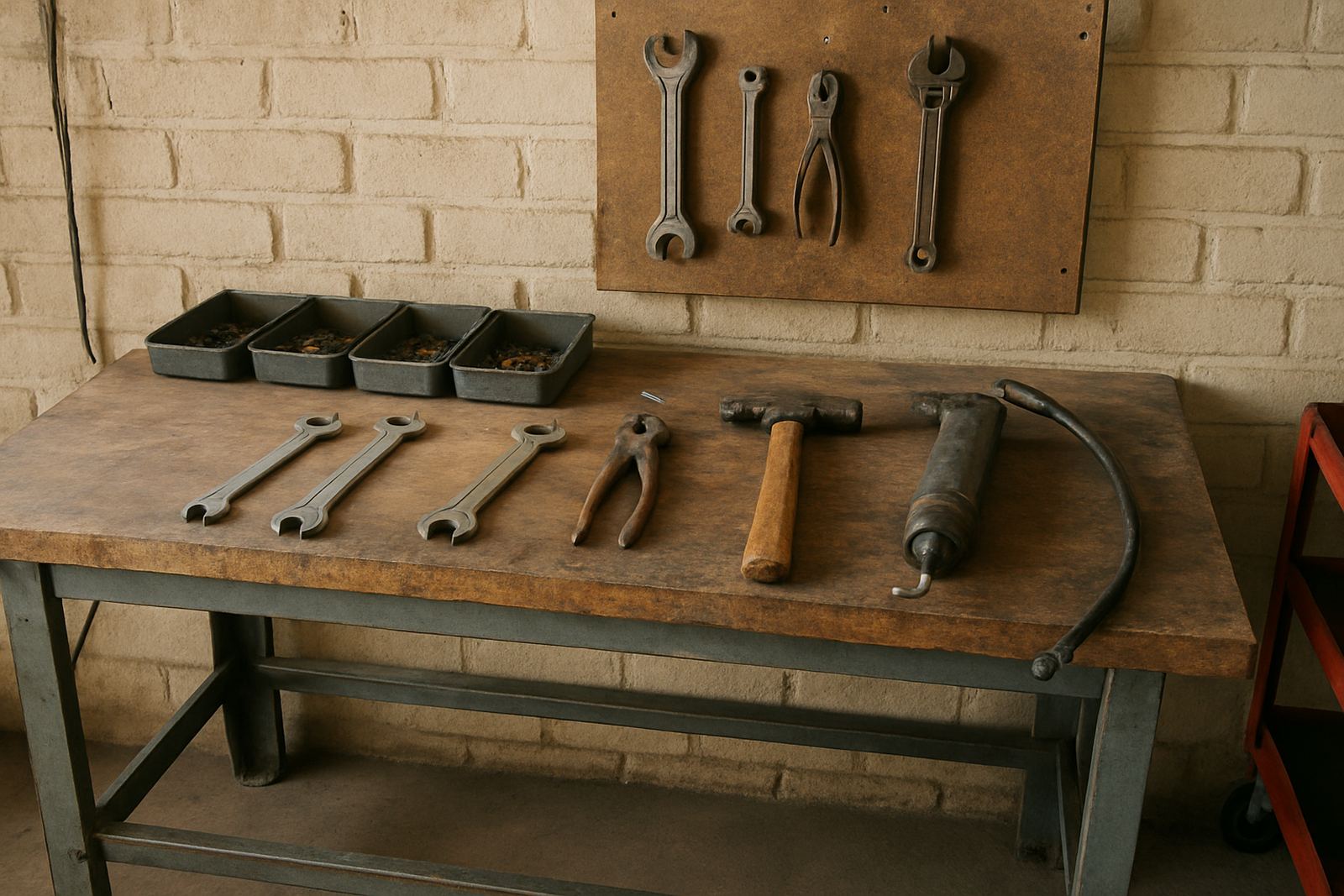
Good tools do not have to be flashy. They should feel consistent in the hand, fit correctly, and keep working after repeated use. For hand tools, check the material finish, joint action and the way grips are fixed. For power-tool accessories, look for clean cutting edges, proper balance and packaging that gives the right size and use clearly.
- Choose tools with the right size range for the jobs you do most often.
- Look for parts that can handle daily use in heat, dust and humidity.
- Check whether replacement items are easy to source locally.
- Ask if the tool is suited to light DIY, mixed use or full trade work.
If a supplier can explain why one item suits a plumbing job better than another, or which socket thickness holds up in a workshop, you are already making a better buying decision.
Buy for the job you do, not the job you hope to do someday
Many small workshops overspend on random extras, then still miss the basics. A better approach is to list your main jobs and buy around those needs. An auto repair bay in Westmead will need a different starter range from a home maintenance outfit in Hillcrest. A fabrication team may need stronger cutting accessories, while a general repair shop may need more hand tools and organised storage.
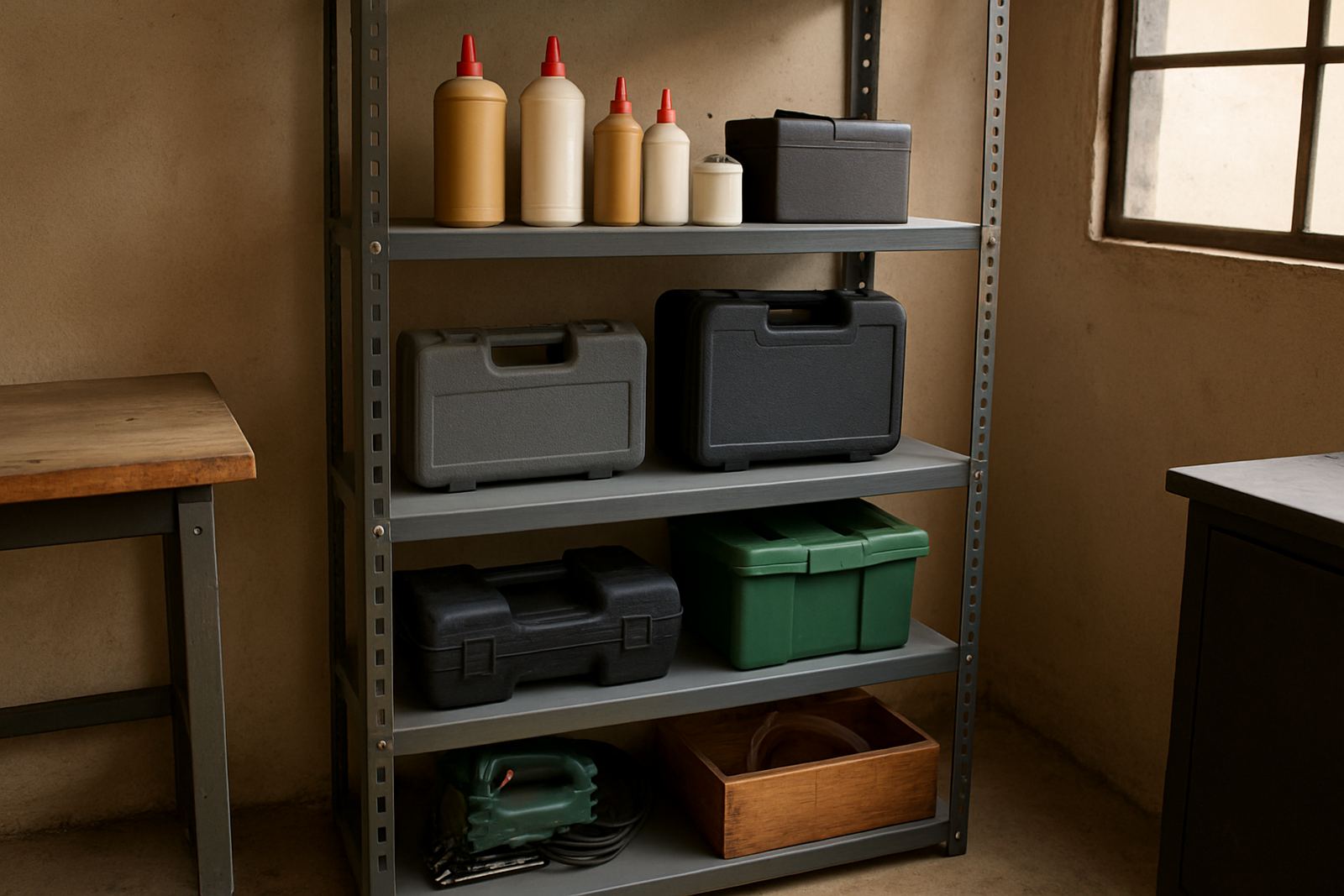
Jameson Tools works with trade users who want a practical start, not a pile of parts. That usually means matching the starter kit to the work being done, then adding the next layer only when there is a clear use for it. It keeps cash flow steadier and avoids shelves full of items that never leave the box.
- List your top 10 repeat jobs.
- Mark the tools that fail most often.
- Separate daily-use items from occasional-use items.
- Buy the first group in better quality before anything else.
Durban conditions make equipment choice matter even more
Local conditions are not the same everywhere. In Pinetown and New Germany, workshops may deal with dust, heat and a fair bit of stop-start power supply. In Durban North or Umhlanga, moisture and coastal air can shorten the life of metal tools if they are left unprotected. That means storage, cleaning and material choice matter as much as the tool itself.
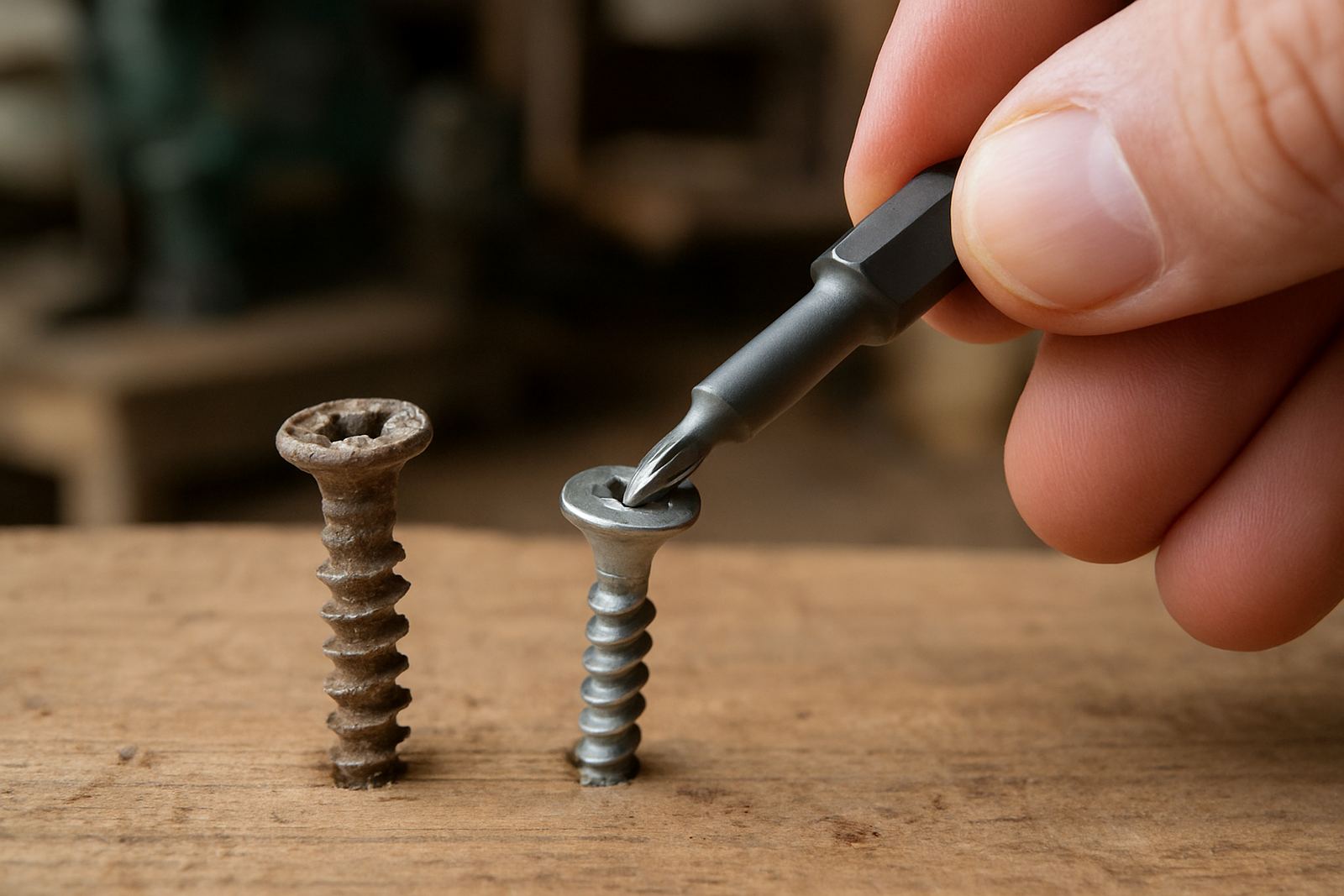
For example, a workshop that keeps drill bits, pliers and cutters in a damp container will spend more on rust treatment and replacement than a shop that stores them properly. Quality tools are usually better finished and hold up longer when you work in those conditions, especially if they are wiped down and stored after each shift.
Use training and advice to protect your purchase
The tool is only part of the result. If a team uses the wrong bit, over-torques a fastener or stores cutters loose in a tray, even good equipment wears out early. That is why training resources matter. A short induction on safe handling and correct use can keep a starter kit going for much longer.
At Jameson Tools, tool kit planning and on-site tool inductions help teams get more from what they buy. For a new workshop in Pinetown, that may mean showing staff how to set up a basic kit, how to refill consumables, and how to spot when a tool needs replacement before it fails on the job. Small habits save money.
A practical buying plan for workshops and serious DIY users
If you want to buy quality first time, keep the process simple and consistent. Do not wait for an emergency purchase to make the decision for you. Plan the range, set a budget and choose items that can be supported later with parts, consumables and advice.
- Start with the tools used every day.
- Add backup items for the tools that cause downtime when they fail.
- Match accessories to the power tools already in use.
- Keep one stock list for repeat ordering and workshop refreshes.
That approach works for larger trade teams as well as home users building a proper garage setup. It also makes courier delivery easier because orders are clearer, less rushed and less likely to miss a key item.