Start With the Jobs the Shed Must Handle
Before buying anything, list the regular jobs that actually happen on the property. A farm shed is not a neat workshop where every task is predictable. One day you are tightening bolts on a trailer, the next you are replacing hinges on a gate, patching a water line or stripping a small pump. That means the first tools should cover fixing, cutting, measuring and fastening rather than special items that sit on a shelf.
In a farm shed tools need to handle rough use, dirty hands and quick pack-away after a callout. A good rule is to start with hand tools for the work you do most often, then add accessories and storage items that save time. If a tool is used weekly, buy a better one. If it is used once in a while, keep it simple and replace it when it wears out.
- Measure the common jobs on site: fencing, welding prep, machinery checks and repairs.
- List the fasteners used most often, such as metric bolts, screws, clamps and hose fittings.
- Check which tasks need manual tools because the shed may not always have power.
Core Hand Tools Every Rural Shed Needs
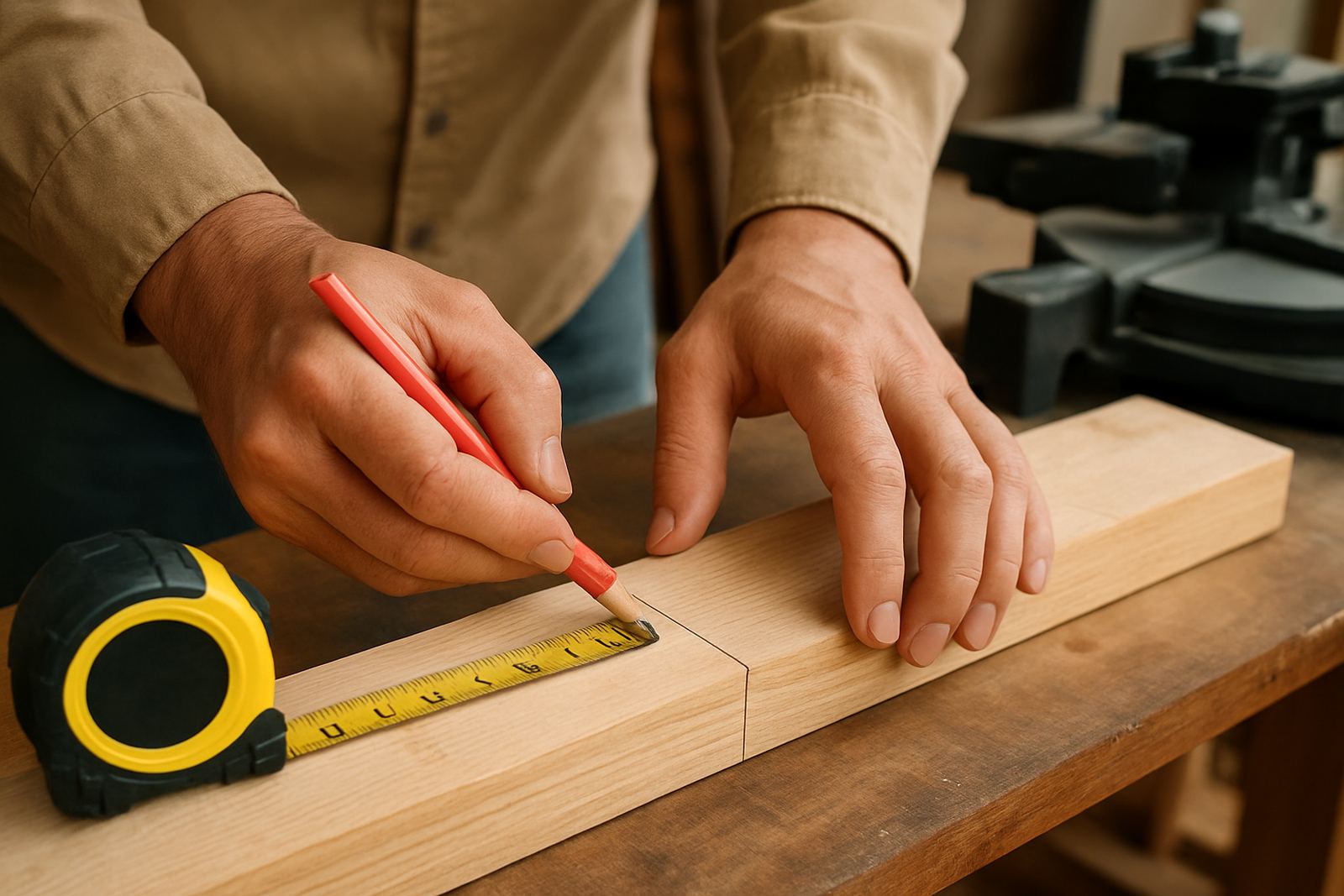
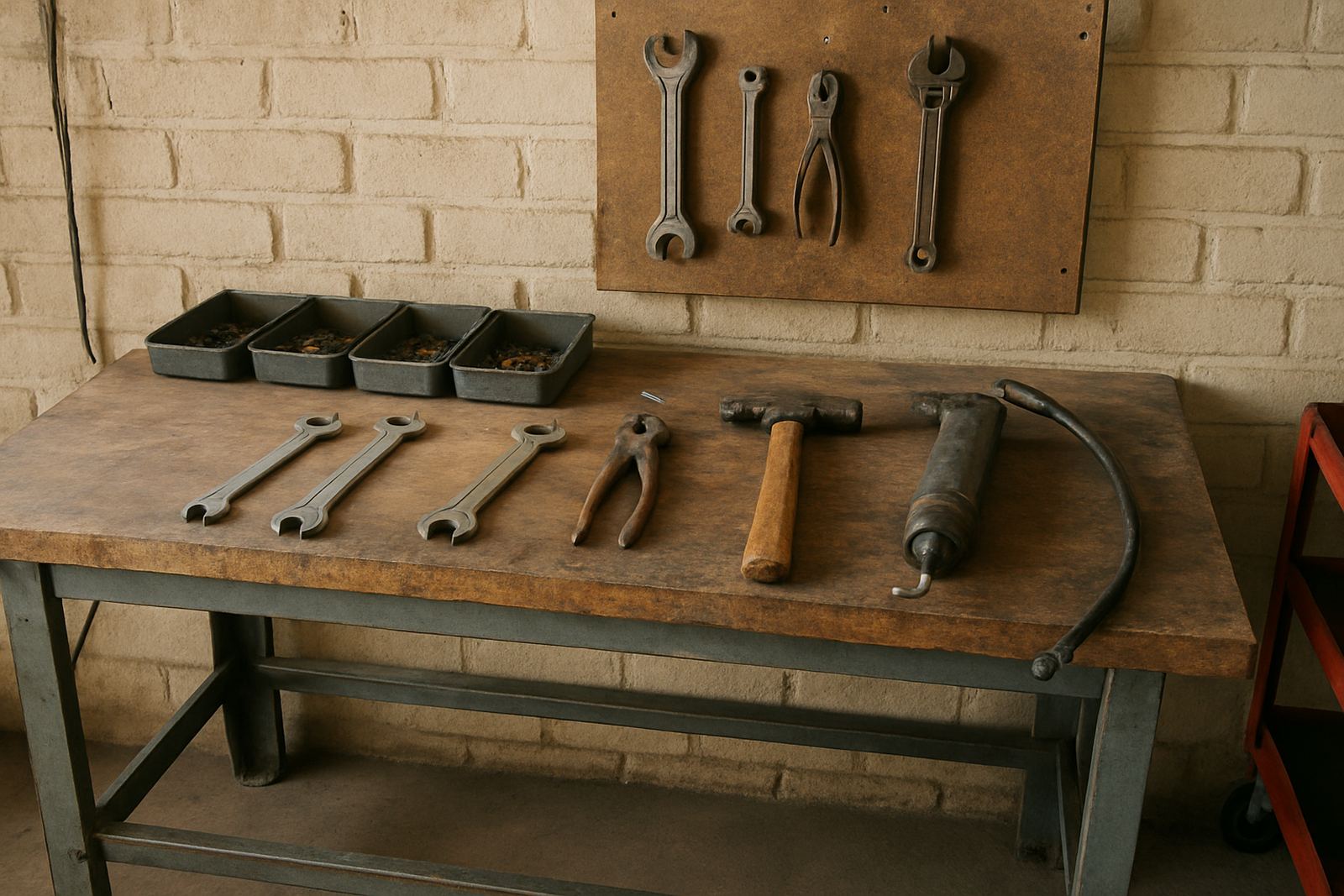
A practical shed kit starts with hand tools that can work anywhere. Spanners, pliers, screwdrivers, hammers, a tape measure and a utility knife form the base of most repair work. Add a sturdy adjustable wrench, locking pliers, side cutters and a ratchet set with sockets in the sizes you use most. For South African farms, metric tools are usually the first priority, and it helps to keep the most common sizes together in one marked tray.
Keep two or three duplicate items where loss is common, especially tape measures and screwdrivers. That avoids wasting half an hour looking for a tool that has been left in a bakkie or used at the other end of the property. A folding hacksaw, file set and combination square also earn their place quickly. They are not fancy, but they keep repair jobs moving.
- Choose socket sizes that match local machinery and trailer fittings.
- Include pliers with insulated grips for basic electrical work where appropriate.
- Keep a permanent marker and chalk for labelling parts, pipes and boxes.
Power-Tool Accessories That Save Time
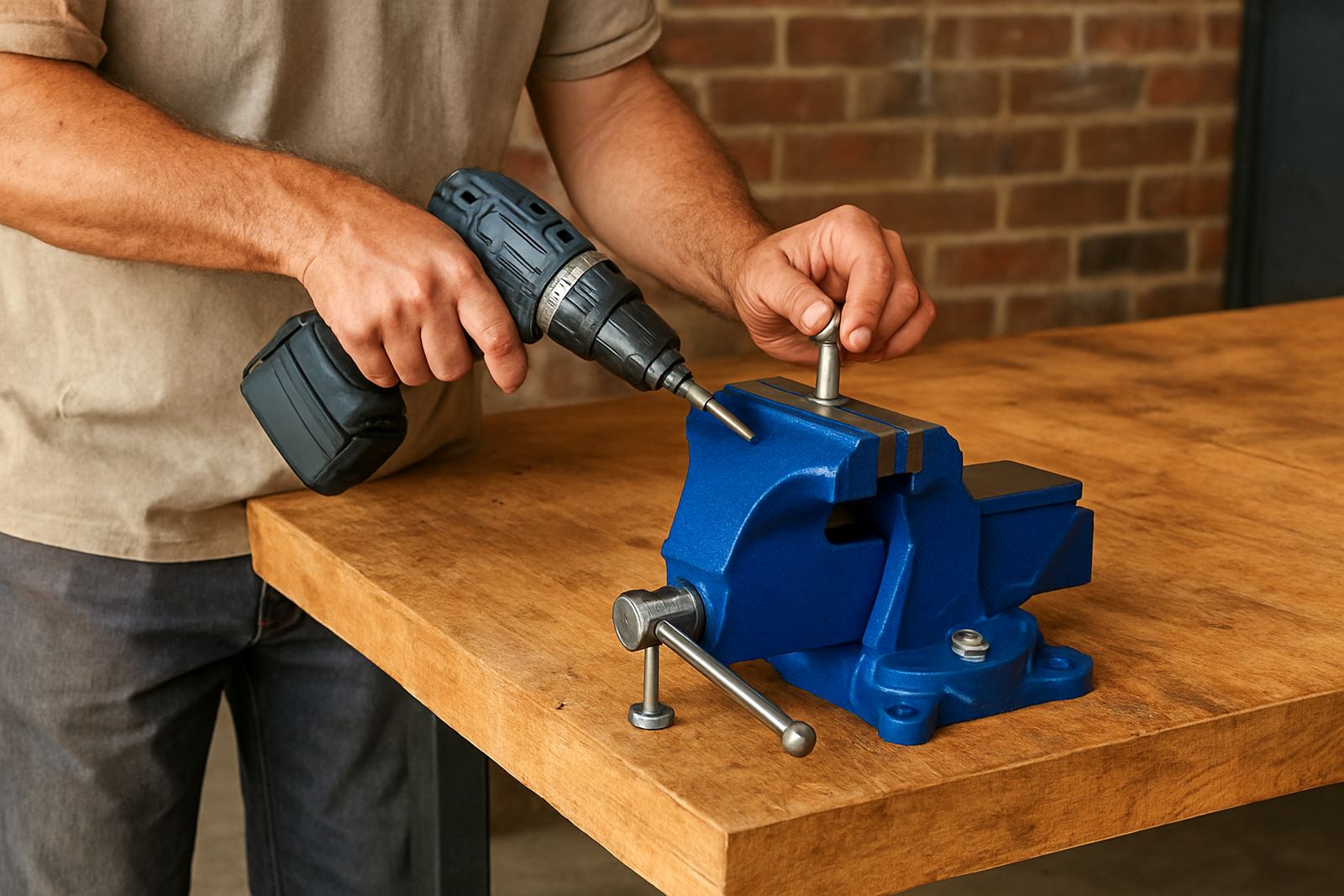
Even a shed that leans on hand tools benefits from a few power-tool accessories. Grinding discs, drill bits, driver bits, sanding discs and cutting blades are the items that make a real difference to day-to-day speed. A small cordless drill, used with the right accessories, can handle wood screws, light drilling and quick assembly jobs without dragging a cable across a yard full of gravel and scrap.
For rural repairs, choose accessories that match mixed materials. You may drill mild steel one minute and hard timber the next. Keep a separate container for bits used on metal, so you do not blunt them on nails or mixed scrap. When power is uncertain because of load-shedding, it helps to keep battery packs charged and store spare accessories in sealed bags to protect them from dust and coastal humidity, especially around Durban and the lower coast.
- Stock drill bits for metal, wood and masonry in the sizes used most often.
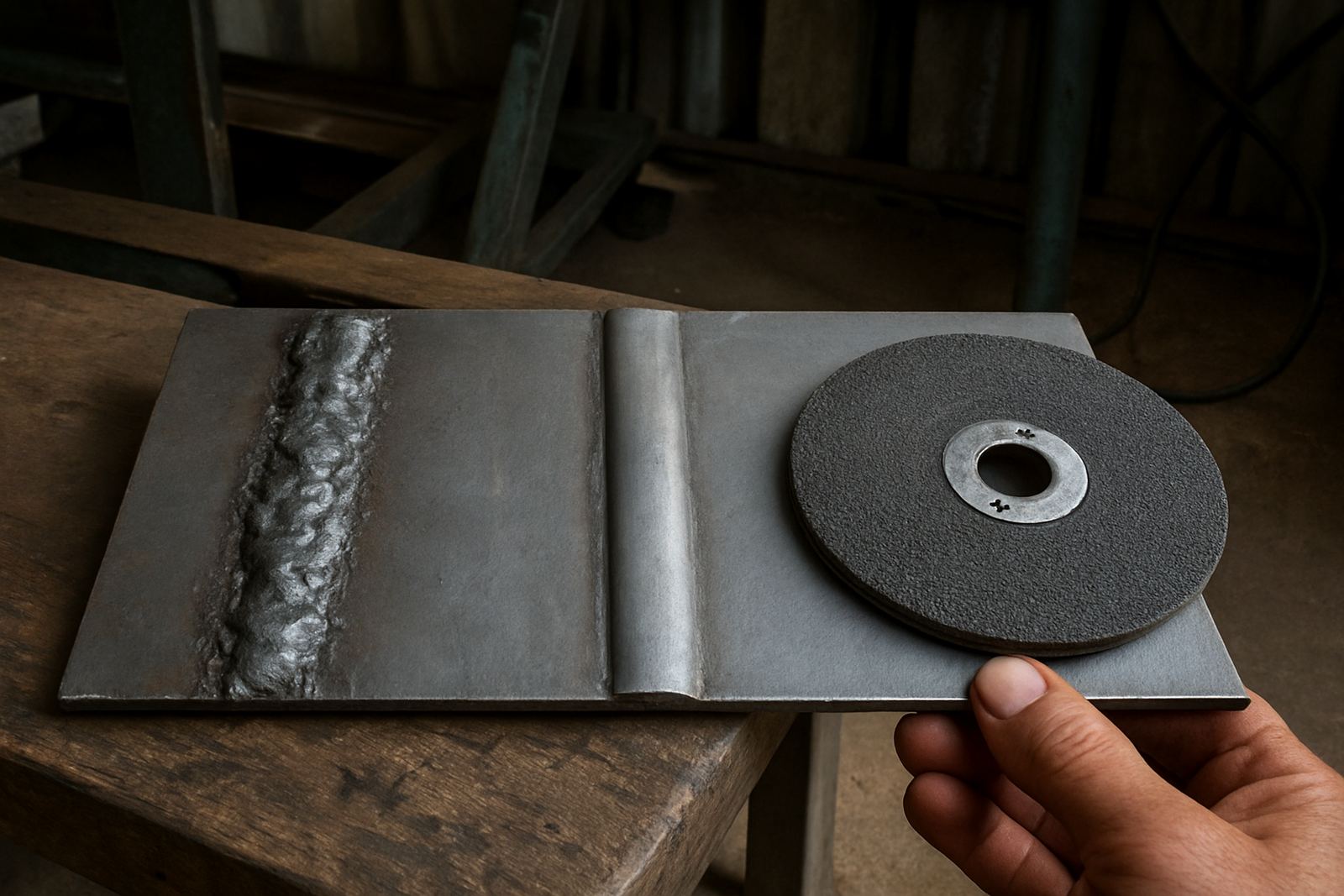
- Keep spare cutting and grinding discs in a dry container.
- Use label strips or colour marks so fast-moving items are easy to find.
Storage That Keeps Tools Working
Tool choice matters, but storage matters just as much. A shed in Pinetown, Greytown or further inland can collect dust and temperature shifts that damage blades, rust steel and ruin pack-out trays. The answer is not expensive cabinetry, it is simple order. Use clear zones for hand tools, consumables, safety gear and repair stock. A pegboard, lidded bins, strong shelves and a lockable cabinet for small power accessories are enough for most setups.
Keep moisture in mind. Coastal air can rust exposed tools faster than people expect, so a light wipe of oil on moving parts helps. If the shed is not fully sealed, store sensitive items off the floor and away from open doors. A dry bag of spare gloves, ear protection and dust masks keeps the team moving when work starts early and the weather turns. It also makes monthly stock checks quicker because you can see what is missing at a glance.
- Separate frequently used tools from backup stock.
- Store fasteners and fittings in lidded, labelled containers.
- Mount hooks for extension leads, hoses and measuring tapes.
Consumables and Spares Are Part of the Toolkit
A shed that only has tools but no consumables will stall at the first small repair. Keep screws, bolts, washers, cable ties, hose clamps, insulation tape, lubricants and cleaning cloths in regular stock. A few metres of spare wire, spare blades, drill bits and sealing materials can save a long trip into town. This is especially useful when the nearest parts counter is far away and the truck needs to move before lunch.
It helps to standardise the stock list so the same items are ordered each time. That way you do not end up with six nearly identical screw sizes and no correct one when it matters. For many farms and small holdings, a monthly top-up works better than large occasional buying. The shed stays ready and the team spends less time sorting mixed boxes or borrowing from one another.
- Keep fasteners in the sizes used on gates, trailers and basic machinery.
- Hold spare blades, bits and cutting discs in controlled quantities.
- Review old stock every season so rusted or damaged items are removed.
A Local Setup Example from the Durban Side
A small repair shed outside Hillcrest, serving a mixed property with fencing, irrigation and trailer maintenance, may not need a huge inventory. What it does need is a focused setup: a hand tool wall, one socket set for common jobs, a cordless drill with spare bits, a grinder accessory box and a shelf for consumables. With that in place, the owner can handle many of the daily fixes without waiting on outside help. The same logic works for outlying sites towards Pinetown or inland areas where courier delivery is easier than repeated supply runs.
When the kit is planned properly, the shed becomes a working station instead of a storage room. That is where good advice matters. A practical supplier can help match replacement tools, bundle starter kits and keep the list lean. For new farm sheds, on-site inductions and simple training also reduce breakage because everyone learns where items belong and how to use them safely. It may seem small, but it cuts waste and keeps the repair rhythm steady.
For rural teams, the right basics are the ones that earn their place every week. Add what the work demands, keep the stock tidy, and make sure the shed can keep going when power, weather or distance get in the way.