Why summer heat changes workshop stock faster than you think
Most trade teams know to keep cutting tools dry and off the floor, but heat deserves the same attention. Adhesives can thicken or skin over, plastic parts can warp, and some seals or tapes lose their grip after days in a hot store room. In coastal areas like Durban, the heat often arrives with humidity too, which means packaging can sweat and cartons can soften at the edges.
That matters whether you are running a small repair shop in Pinetown or moving stock between Westmead and Umhlanga. A tub of consumables that looked fine in the morning can be off by the afternoon if it sits in direct sun, especially in a metal container or vehicle canopy. The fix is mostly about storage habits, not expensive equipment.
The stock items most likely to suffer in a hot storeroom
Not every item reacts the same way, so it helps to sort stock by risk. Adhesives are usually first to show trouble, followed by plastics, rubber items, sealants and some chemical consumables. Even simple items like cable ties, tape rolls and foam pads can become brittle or sticky when exposed to high temperatures for too long.
- Adhesives and sealants: check expiry dates and keep lids tightly closed
- Plastics and clips: store away from windows and hot roofing
- Tapes and labels: keep in original sleeves until needed
- Rubber parts and gaskets: avoid stacking near heaters or compressors
- Cleaning chemicals: keep upright and out of direct sun
For workshops that order in bulk, it is also worth grouping items by turnover. Fast-moving stock should stay closest to the packing bench, while slower items can go deeper into the store. That way the products that are most sensitive to heat are used before they have too much time to age.
Store room habits that work in Durban humidity
In Durban, heat and moisture usually arrive together, so the right storage habits need to handle both. Ventilation helps, but only if the room is kept tidy and the air can move. If boxes are stacked tight against the wall, condensation can build behind them and leave packaging damp. A small gap makes a big difference.
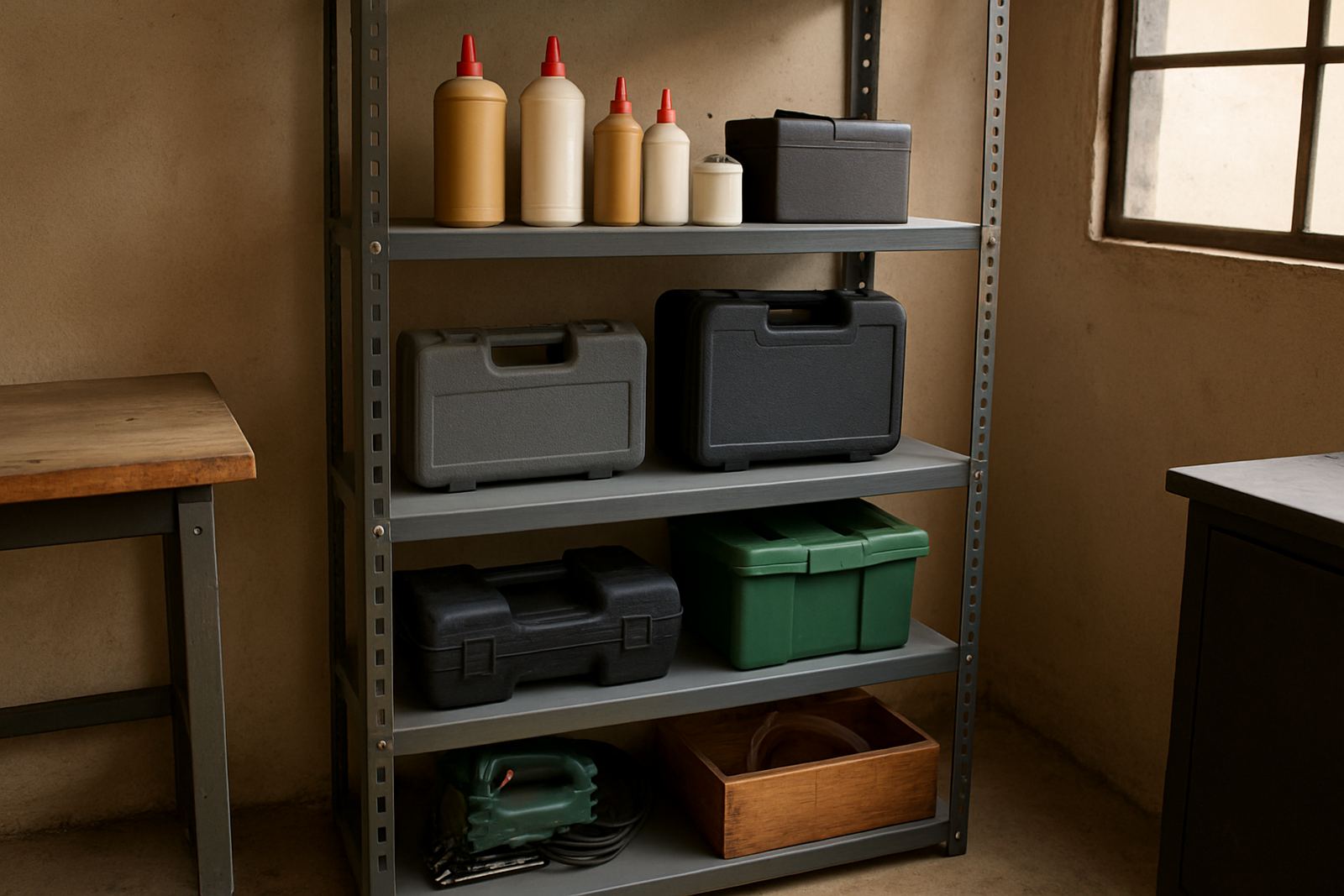
Use shelving that keeps stock off the floor and away from roof heat. If the building gets strong afternoon sun, move sensitive consumables to the cooler side of the room. In many Pinetown workshops, the best spot is not the biggest area but the one that stays shaded after lunch. It sounds simple, but it can save a lot of spoilage over a summer month.
- Keep cartons off concrete with shelves or pallets
- Leave space for air movement behind stacks
- Mark a cooler zone for adhesives and tapes
- Do a quick end of day check before closing up
- Use the oldest stock first, especially in December and January
Vehicle and courier handovers need tighter controls
Heat damage often starts during transport, not in the store room. A sealed vehicle can become very hot within minutes, and that affects adhesive tubes, plastic fittings and packaged sets. When stock is being couriered nationwide, ask for clear handover notes and try to avoid leaving sensitive items in the sun while loading or collecting.
For local deliveries between New Germany, Westmead and Hillcrest, the same rule applies. If a driver is waiting while paperwork is sorted, keep the cartons under cover. It also helps to label heat sensitive items clearly so they are not left in the back of a bakkie for a full day. We have seen good stock get written off simply because it sat in a closed vehicle during a midday job and no one checked it until later, which is a costly habit.
A simple summer stock check before the season gets busy
A proper summer check does not need to take all morning. Start with the products that are used daily and the ones that are hardest to replace quickly. If a kit is missing, cracked or softening in the pack, move it out of circulation and replace it before it affects a job. This is also the time to standardise your list, so the same consumables are ordered in the same pack sizes every time.
- Check expiry dates on adhesives and sealants
- Inspect plastic fittings for warping or cracks
- Test tape rolls for edge lift and poor adhesion
- Review bulk orders against actual usage
- Separate summer fast movers from slower stock
If you are setting up a new workshop, a starter kit bundling plan can keep heat sensitive items in the right quantities from the beginning. If you already have a working store, a seasonal refresh can cut waste and make room for better stock rotation. The goal is not more stock, it is better controlled stock.
Local example from a Pinetown trade workshop
One small workshop in Pinetown kept its adhesive cartridges and plastic fittings in a back room that faced afternoon sun. By late summer, a few tubes had gone unusable and several fittings had started to distort at the edges. The team thought the products were faulty, but the real issue was storage. Once the stock was moved to shaded shelving, boxed by product type and rotated every week, waste dropped sharply.
That kind of change does not need a major spend. It usually starts with a better layout, a clear replenishment list and a quick induction for the people handling stock. For teams in coastal Durban, that practical approach is often the difference between steady output and a pile of avoidable returns.
Keep summer heat from eating into your consumables budget
Summer storage is really about protecting value. If adhesives go off, plastics warp or labels fail, the cost is not only replacement stock but also time lost on site. A workshop that keeps consumables cool, shaded and well ordered will usually run cleaner and waste less. That matters whether you are fitting out a new space or tightening up a long running operation.
If your team needs help planning stock, matching replacements or building a better replenishment list, the right support saves a lot of back and forth. The point is to keep the right items on hand, in the right condition, when the heat is at its worst.