Start With The Blade, Not The Grip
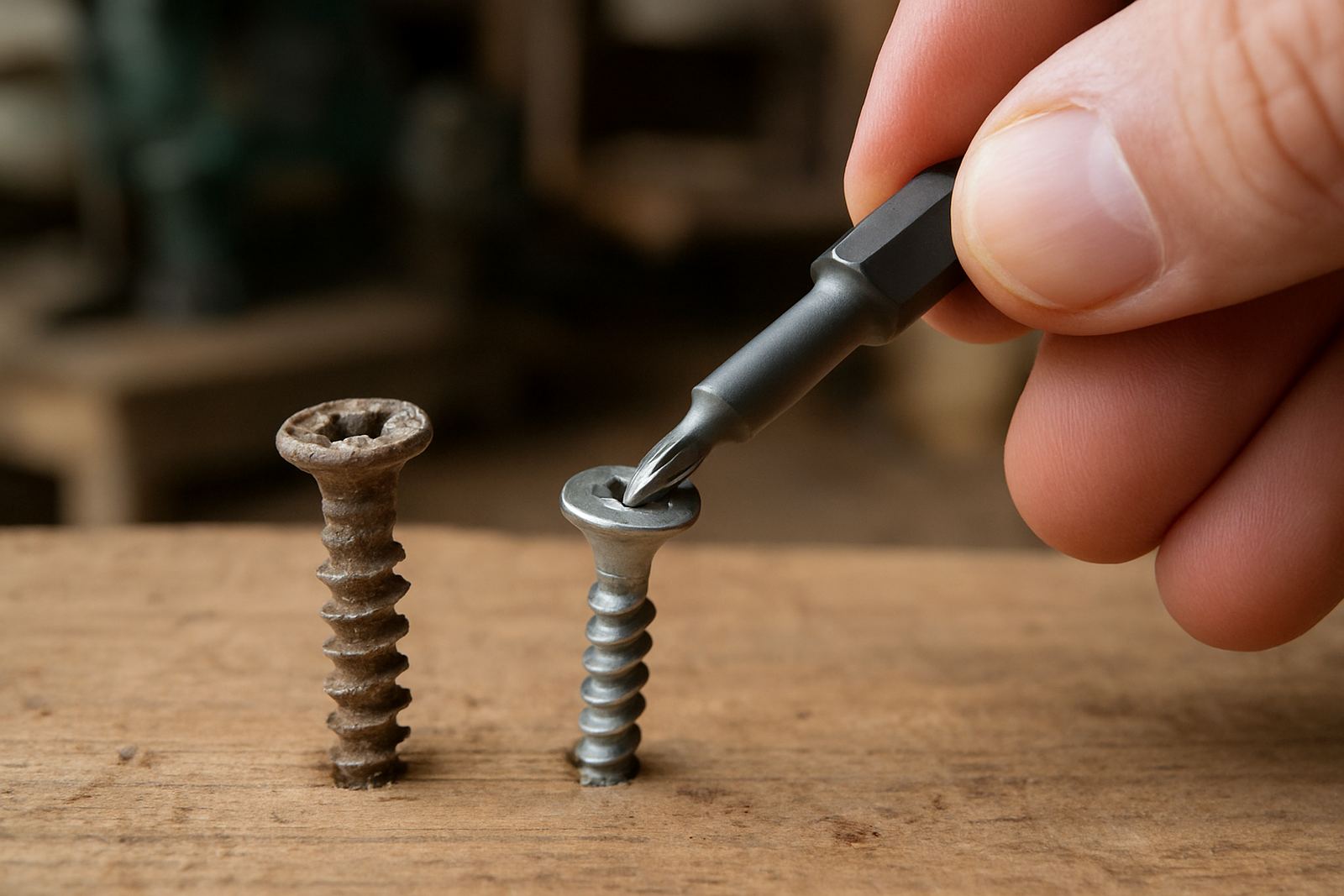
A safe cut begins before the knife touches material. Check the blade for chips, bends, rust and looseness in the handle. A dull edge is one of the biggest causes of slips because people push harder than they should, then the blade breaks through at the wrong moment. In a Pinetown workshop that handles packaging, foam, cable sleeves and light board trim, that extra pressure can turn a simple job into a hand injury.
Use the right knife for the task and change the blade before it gets tired. If the knife has a retractable blade make sure it locks properly and the release is not sticky. Keep spare blades stored in a closed container so they do not rattle around in a toolbox or get knocked onto the floor.
Cut Away From The Body, Not Toward The Hurry
The safest cutting direction is the one that puts your body out of the line of the blade. That sounds obvious, yet many injuries happen when a worker pulls a strip of packaging toward the chest or pushes down while the other hand holds the material too close to the edge. Slow the movement and plan the cut before starting. If the item must be moved, move the item not the blade.
On benches where two people share space, agree on a clear cutting zone. One person should not reach across another worker who is trimming cable ties or opening cartons. In busy periods, especially during month end stock intake, that small habit helps prevent a knife hand from swinging into someone else.
- Keep both feet planted before cutting.
- Pull the material, not the knife, when possible.
- Stop if you need to change hand position.
- Never cut toward a leg, thigh or palm.
Control The Material Before You Start Cutting
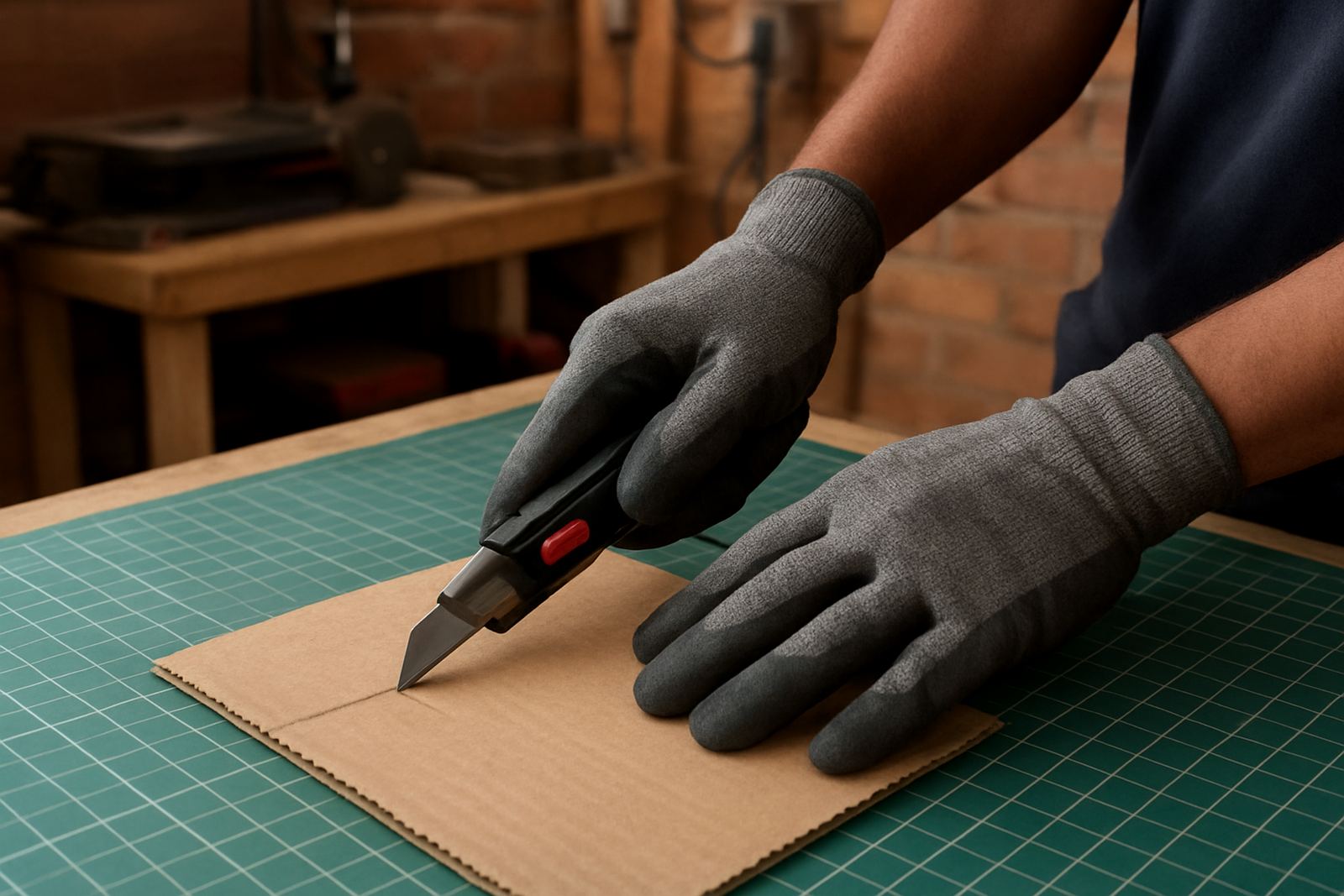
Most knife accidents are really control accidents. If the material slides, folds or twists the blade will follow it. Use a flat surface and hold the work with a clamp, non-slip mat or a second pair of hands where needed. Thin plastic wrap, carpet backing and cardboard all move differently, so the grip must match the job.
In coastal areas like Durban North and Umhlanga, humidity can soften cartons and make them collapse when stacked. That means a worker may need to support the box from underneath rather than pressing harder from the top. For longer sheets or rolls, mark the cut first and trim in stages instead of trying to finish in one sweep.
- Set the work on a stable surface before the blade comes out.
- Keep fingers at least a few centimetres from the line of cut.
- Use clamps or guides for awkward pieces.
- Do not hold slippery items against the body.
Use The Right Knife For The Job
A general utility knife is useful, but it is not the answer for every task. Opening cartons, trimming insulation, slicing plastic strapping and cutting gasket material each need a slightly different approach. Using a short blade where only a shallow cut is needed gives better control. Longer blades should be reserved for thicker material, and they should never be extended more than necessary.
If the job needs force, check whether a different tool would be safer. A knife is not for prying, scoring metal or levering stuck material apart. Once a blade is twisted or used as a screwdriver it becomes unpredictable. In a trade workshop that also runs power-tool accessories and consumable stock, it helps to keep knife jobs separate from heavy prep work so people do not improvise.
Store, Carry And Hand Over Knives Properly
Many cuts happen away from the cutting task itself. A blade left open on a bench can catch a sleeve. A knife dropped into a pocket can open when a worker bends down. Carry blades in a sheath or in a closed pouch, and never pass an open knife hand to hand. Close the blade or lay it down handle first so the next person can pick it up safely.
For teams that work between the store room, van and workshop floor, standardise where knives live when not in use. A fixed location reduces the chance of one getting left in packing waste or under a delivery pallet. It also helps during load-shedding because people are not searching through clutter with torch light for a loose blade, which is exactly when mistakes happen.
Train New Staff On The First Five Minutes
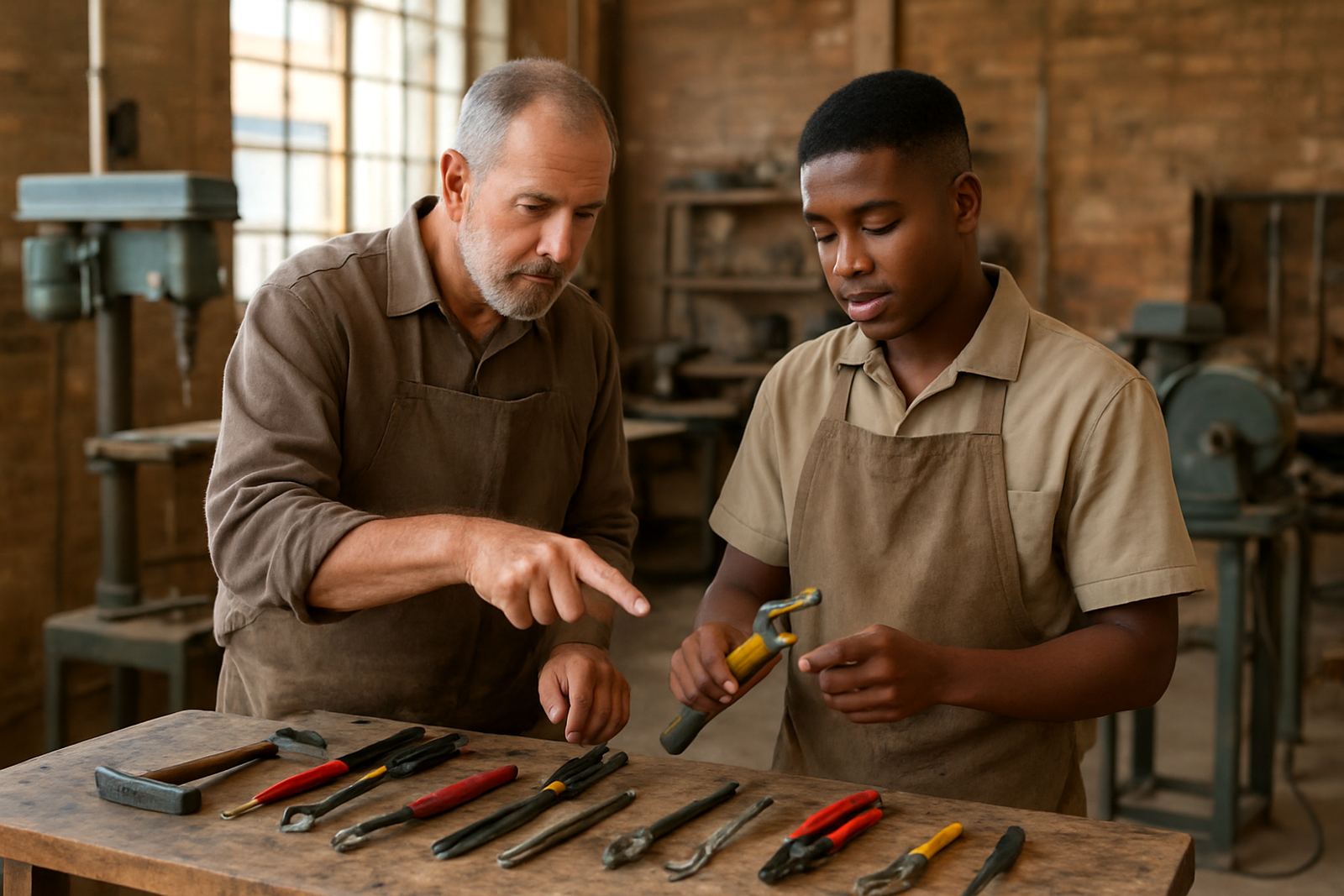
New workers often know the theory but not the habits that prevent injury. A short induction should cover blade checks, cutting direction, storage and what to do with damaged knives. Training works best when it is practical. Show the worker one safe cut, one unsafe cut and the difference in hand placement. That sticks better than a long talk.
At a Pinetown workshop setting up for seasonal stock changes, Jameson Tools often sees teams benefit from simple starter guidance alongside the tool supply. The goal is not to make cutting complicated. It is to make the safe method the normal method. Once that is in place, fewer blades are wasted, less material is spoiled and there are fewer stoppages from minor injuries.
- Induct new staff before they work unsupervised.
- Keep a rule for damaged or blunt blades.
- Refresh the team after any cut incident.
- Review knife use when the workshop layout changes.
A Small Change In Direction Can Prevent A Big Problem
A knife is one of the simplest tools in a workshop, which is exactly why it is easy to underestimate. The safest workshops do not depend on luck or speed. They depend on small, repeatable habits: sharp blades, controlled direction, clear hand placement and proper storage. Those habits are cheaper than first aid, lost time and damaged stock.
For Durban businesses that work through humidity, power interruptions and tight courier turnaround, the safest cut is usually the one planned a moment earlier. A cleaner blade and a safer angle may look like a minor detail, but in practice they reduce injuries more than any warning sign on the wall.