Start with the items that fail every day
When a toolkit starts slowing a team down, the problem is usually not every item in the case. It is the cutters that no longer bite cleanly, the driver bits that round off fast, or the pliers that no longer grip properly. Those are the first items worth replacing because they affect daily work immediately.
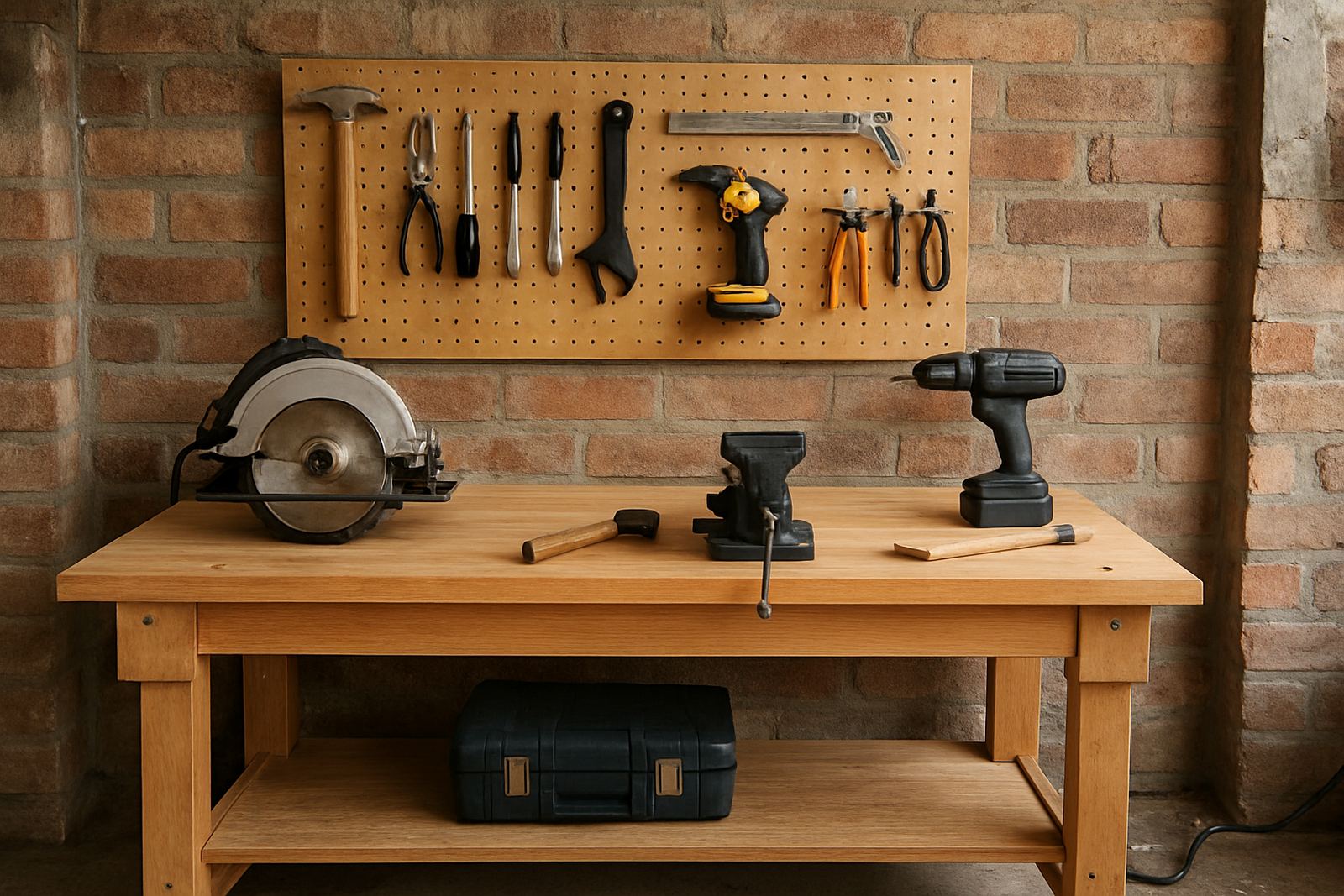
In many Durban and Pinetown workshops, the same tools get used through humidity, dust and regular load shedding interruptions that make jobs stretch longer than planned. That is why a refresh should begin with the tools that see the most use, not the ones that just look old. If the core items are right, the rest of the kit can often stay in service for months or even years more.
- Replace worn cutting tools before they damage material or slow down finish work
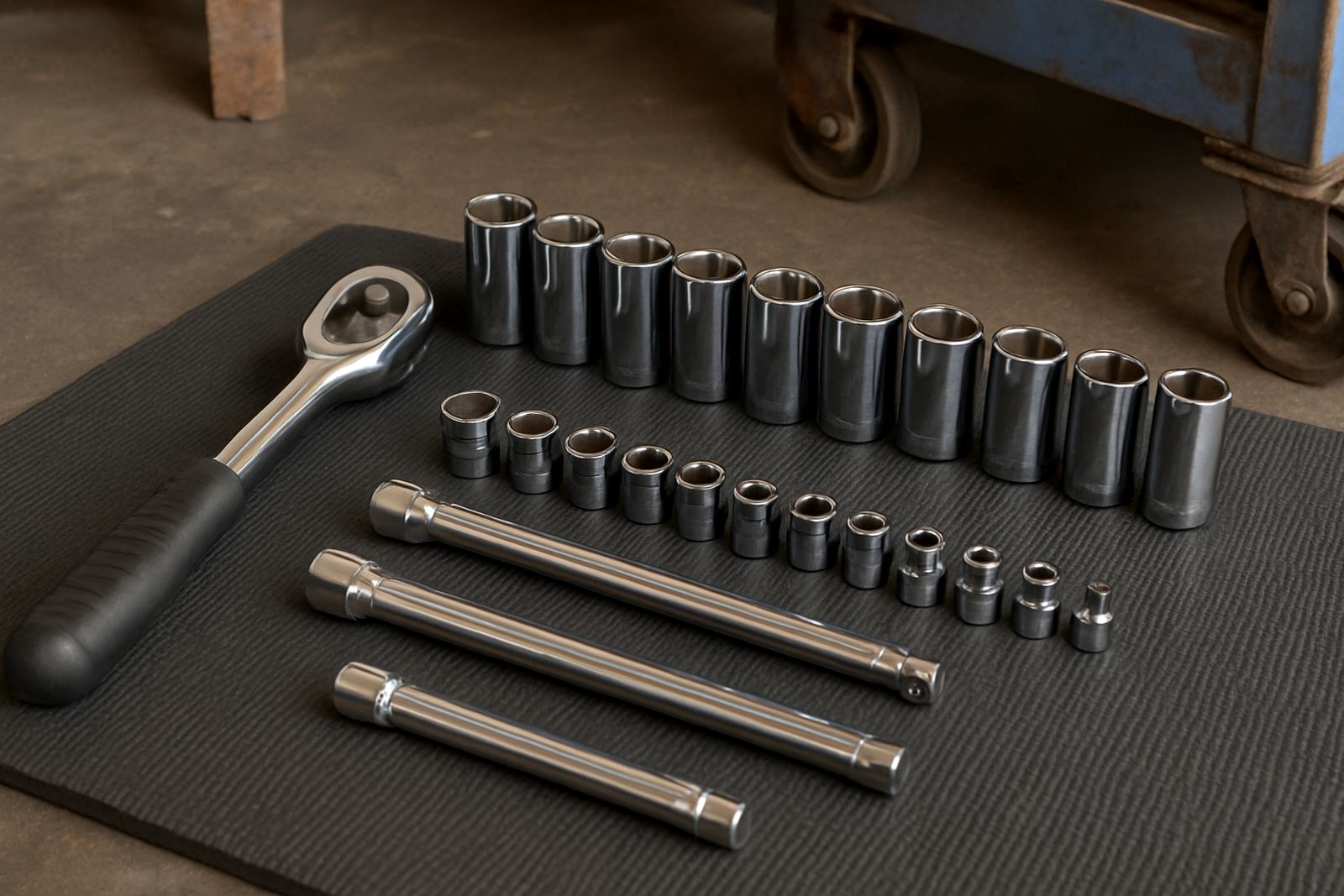
- Check driver bits, sockets and spanners for rounding, cracks or poor fit
- Swap out tape measures, markers and small consumables that affect accuracy
- Keep any good quality handles, cases and storage trays if they still hold up
Refresh the kit in the right order
A proper refresh works best when it is planned in stages. First deal with the items that affect safety and accuracy. Then move to the tools that affect speed and comfort. Only after that should you decide whether the whole toolkit needs a full rebuild.
This approach helps smaller workshops and maintenance teams manage cash flow. It also avoids the common mistake of buying a full new kit when only 20 to 30 percent of the contents are past their best. If you run jobs from Westmead to Hillcrest, that matters when you need every Rand to count.
- Stage 1: safety critical and accuracy items
- Stage 2: high-wear hand tools and accessories
- Stage 3: storage, labelling and case layout
- Stage 4: extras for job-specific work
Watch for the signs of tired tools
Worn tools do not always break suddenly. More often they start giving small warnings. A screwdriver slips on a screw head, a bit wanders off-centre, or a set of pliers needs extra force to hold a part. Those small faults add up to wasted time and poor results.
In a workshop, the real cost of old tools is not only replacement price. It is rework, lost time and the odd damaged component that has to be ordered again. If your team keeps reaching for the same backup tool, that is usually a sign the main item should be replaced now rather than later.
- Handles feel loose or cracked
- Cutting edges leave ragged finishes
- Bits and sockets slip more often
- Tools need more pressure than they used to
- Measurement gear no longer reads reliably
Use starter kit bundling to fill the gaps
Old kits often have a few good tools and a few missing ones. Instead of buying loose items one by one, it can make more sense to rebuild the gaps with a starter bundle that covers the basics in one go. That works well for apprentice benches, site teams and home workshops that need a practical, no fuss reset.
Bundling also helps when you want to standardise what each person carries. If every fitter or technician uses the same socket sizes, cutters and test accessories, it is easier to keep spares on hand and faster to swap tools between jobs. It also keeps stock control simpler for the person ordering.
- Group the most used sizes and profiles together
- Match replacement items to the existing kit layout
- Keep one spare for critical consumables where possible
- Use the same standard across teams where the work allows it
A Pinetown workshop example that saves money
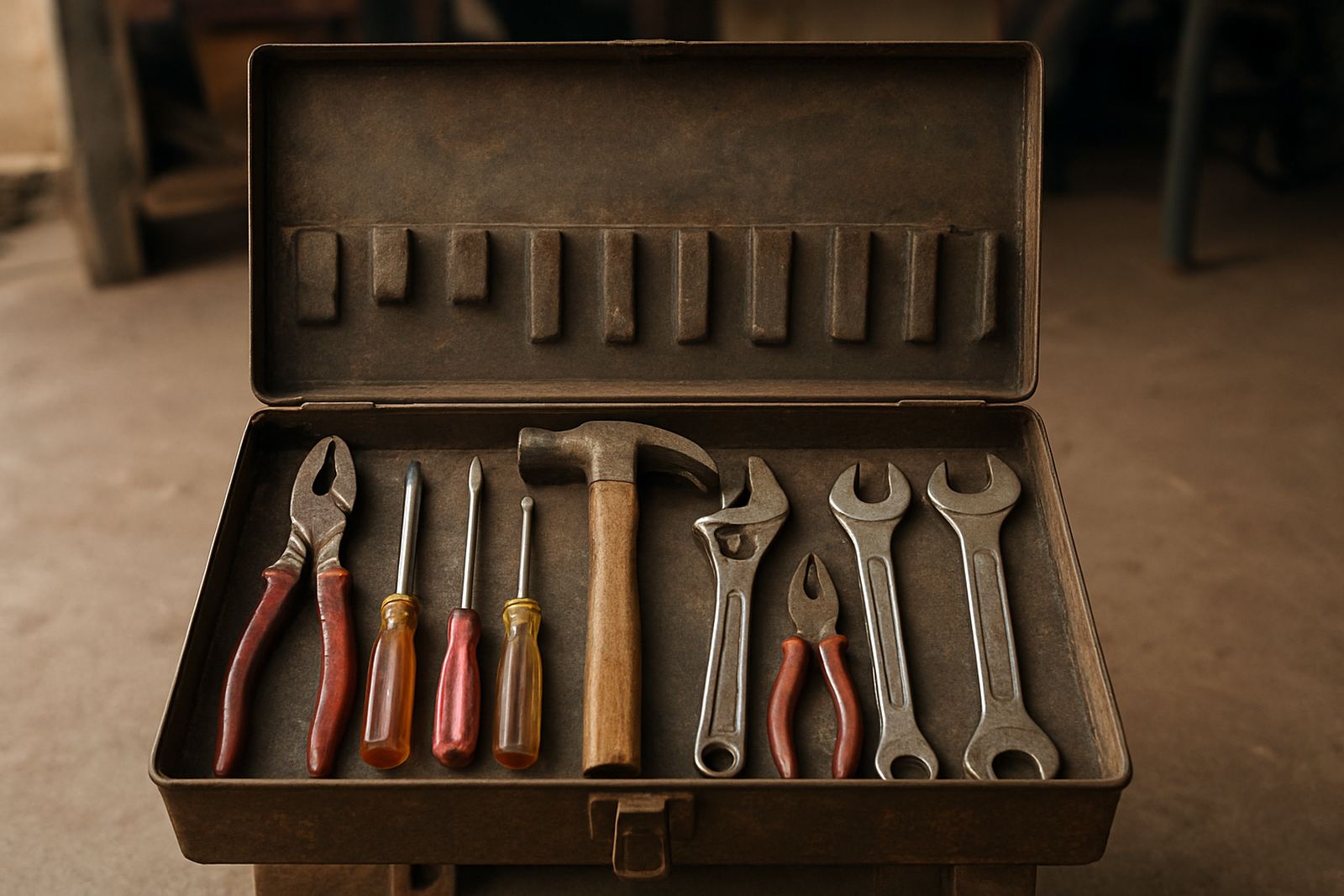
A small repair workshop in Pinetown came to us with three mixed tool cases, all showing signs of heavy use. The team thought they needed to replace everything, but after checking the contents we found only the cutters, bit sets, two measuring tools and a handful of hand tools were properly worn out.
By replacing the high-wear items first and keeping the still serviceable storage and support tools, the workshop cut its spend sharply and got back to full pace within a day. The owner later added a simple stock list so the same items could be checked every quarter. That made future refreshes easier and avoided last minute shortages when a rush job came in.
Keep the refreshed kit working longer
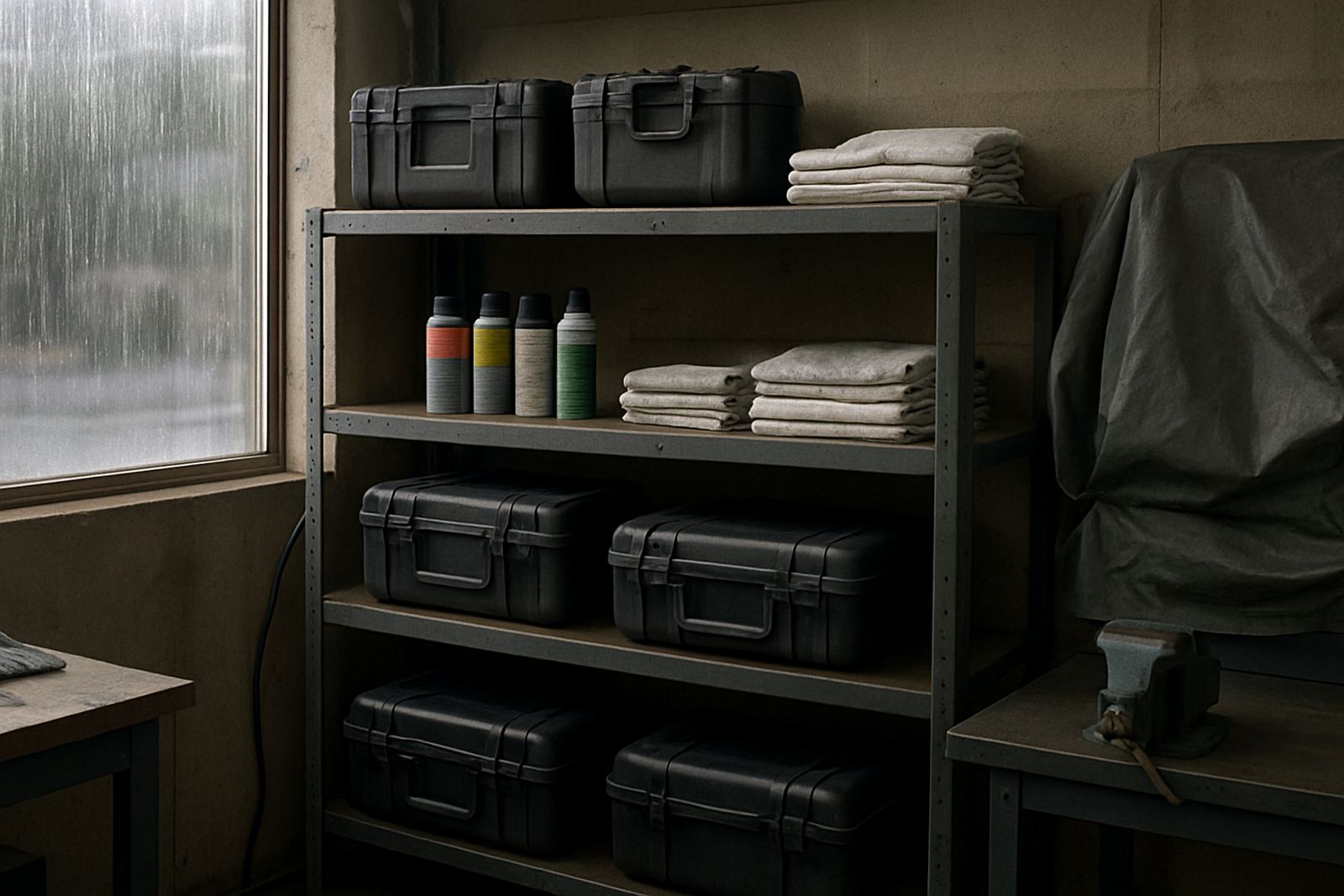
A refreshed toolkit should not end up tired again after a few months. Put the good items back into a proper storage routine, clean them after use, and keep consumables topped up before they run dry. In coastal areas like Durban North and Umhlanga, dry storage matters even more because corrosion can start sooner than people expect.
It also helps to schedule a seasonal workshop refresh. That can include checking drawer contents, replacing missing bits, and re labelling groups of tools so staff do not waste time searching. A small amount of regular maintenance is usually cheaper than another full replacement later on.
- Wipe down tools before storage
- Check cases, trays and fasteners monthly
- Store metal items away from damp floors
- Reorder commonly used consumables before they run out