Start with the jobs you will actually do
The best basic toolkit is built around the work you expect in the first few months, not the items that look impressive on a shelf. In Durban and Pinetown, many small workshops begin with general repairs, light fabrication, fittings, maintenance calls and simple install work, so the first tools should cover those tasks without overbuying.
Think in terms of daily use. If a tool will be picked up many times a week, it earns its place. If it only solves one rare problem, leave it for later. This approach keeps the first spend under control and helps with stock planning when the workshop starts to grow.
- Choose tools for measuring, fastening, cutting and marking first
- Keep one kit for general work and one smaller set for mobile call-outs
- Buy extra consumables before adding specialist tools
The measuring and marking set every workshop needs
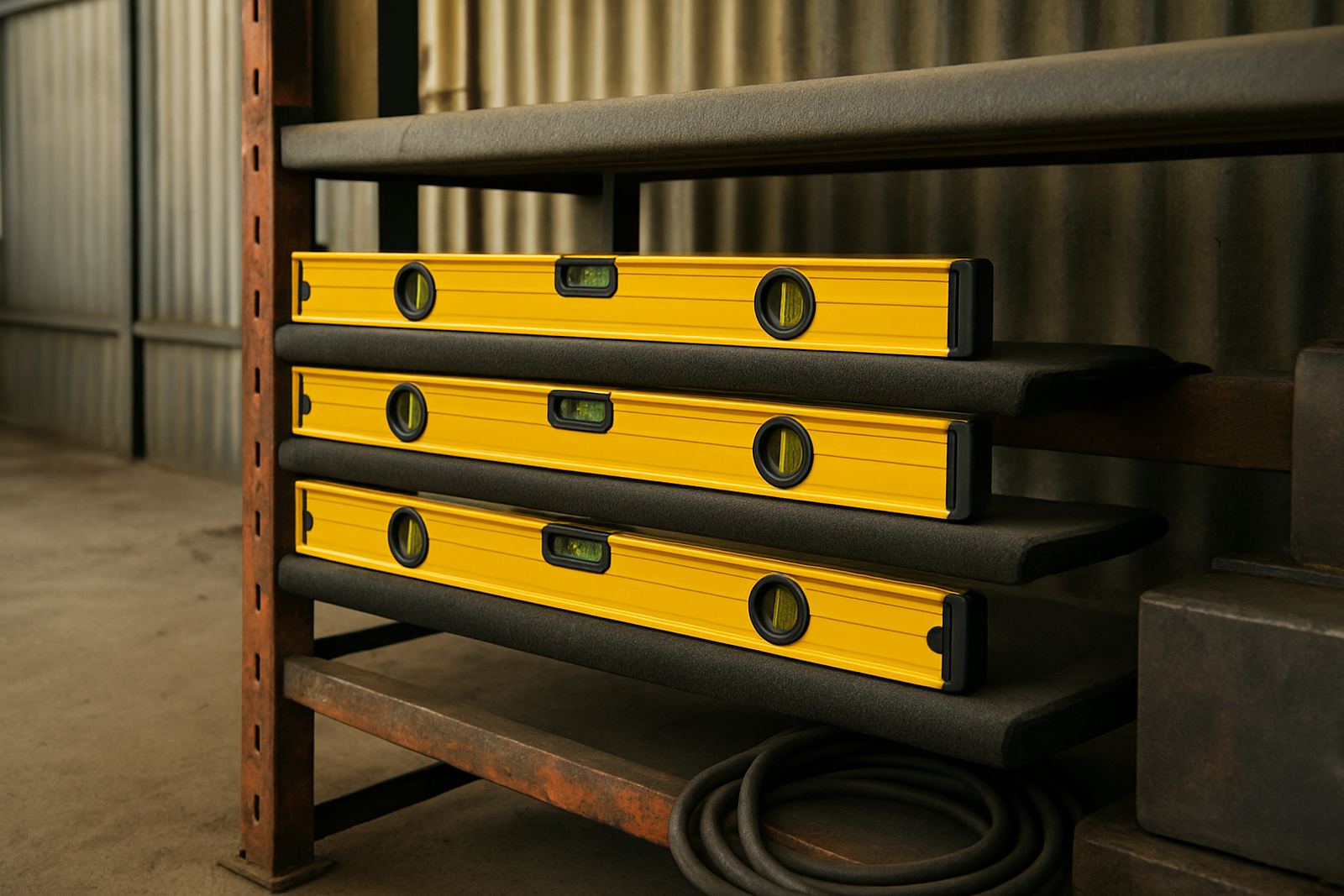
Accurate work starts with accurate measuring. A basic setup should include a tape measure, steel rule, combination square, spirit level, marker pens, chalk line and a scriber. These items may seem simple, but they save time on every job and prevent repeat visits because something was marked out badly.
In a workshop near Westmead or New Germany, where space is often tight and jobs move quickly, clear marking tools are often more useful than another power tool. A small punch set is also worth including for starting holes and marking fixing points. Keep a second tape measure in the van or field bag because these disappear fast.
- Tape measure with a clear metric scale
- Steel rule and combination square for set-out work
- Spirit level for brackets, frames and shelves
- Permanent markers, chalk line and centre punch
Hand tools that do the everyday tightening and fitting
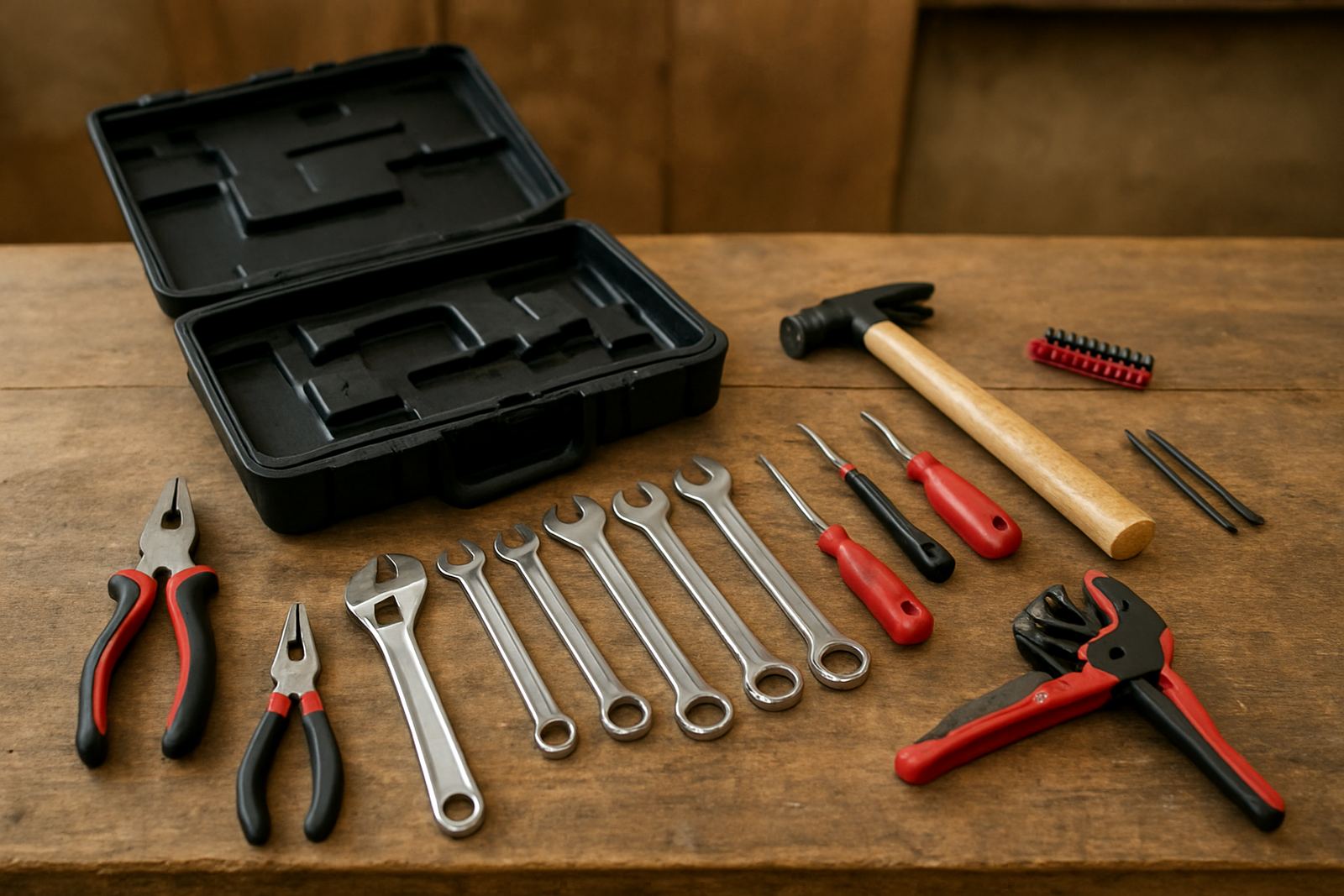
The core hand tool set should handle nuts, bolts, screws, clips and light assembly. Start with a set of screwdrivers, pliers, adjustable spanners, socket set, Allen keys and side cutters. If the workshop handles mixed maintenance work, include needle-nose pliers, long-reach pliers and a small hammer as well. These pieces cover most first-response tasks without forcing the team to borrow tools from one job to the next.
For coastal work in Durban North or Umhlanga, where humidity can affect stored gear, keep these tools in a dry cabinet and wipe them down after use. It is a small habit, but it extends the life of the set and cuts down on rust related replacements. A basic toolkit should also include a sturdy utility knife and spare blades for opening cartons, trimming hose and cleaning edges.
- Insulated or standard screwdrivers in common sizes
- Combination pliers, side cutters and long-nose pliers
- Adjustable spanners and a socket set with metric sizes
- Hex keys, hammer, utility knife and spare blades
Power-tool accessories that make the first drill useful
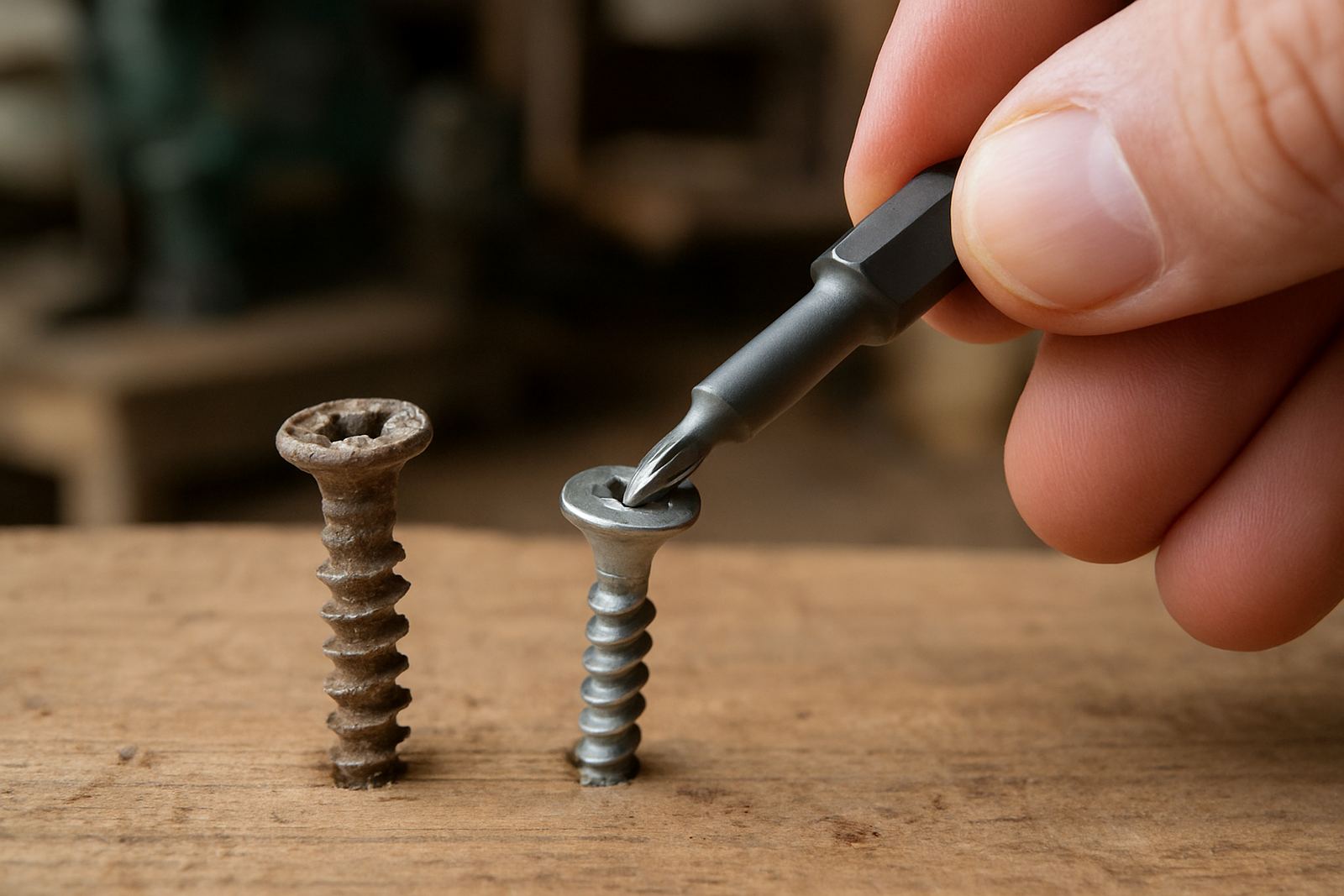
A new workshop often owns a drill before it owns much else, so the accessories matter. A drill only becomes useful when it has the right bits, driver tips, extension pieces and hole saws for the work at hand. Keep a small but practical selection of masonry bits, wood bits, HSS bits and screwdriving tips in the sizes used most often on site and in the shop.
In South African trade work, one good basic kit should also include depth stops, countersink bits and a magnetic bit holder. If the workshop will work through load-shedding or on remote sites, cordless tools with spare batteries and a proper charger plan are worth adding early. Keep batteries charged and rotated so one flat battery does not stop a job half way through.
- Masonry, wood and metal drill bits in common sizes
- Driver bits for slotted, Phillips and square heads
- Bit holder, extension and countersink set
- Extra battery pack where cordless tools are in use
Consumables to stock before the first big week
A workshop can look fully equipped and still stall because the consumables are missing. Fasteners, blades, sanding discs, cable ties, tape, cleaning cloths, lubricants and thread-locking items should be on hand from day one. These are the items that disappear fastest because they are used on every small job and often by more than one person.
For a basic setup, keep the sizes that match your usual work rather than buying full ranges too soon. A stock list that is too wide becomes hard to manage, especially when the team is small. Keep the common items in labelled bins and note what runs low each week so replenishment becomes routine instead of a panic order on Friday afternoon.
- Assorted screws, nuts, bolts, washers and plugs
- Cutting blades, sanding discs and abrasive pads
- Electrical tape, cable ties and marker tags
- Degreaser, light oil, cloths and cleaning spray
Build the kit around storage and control
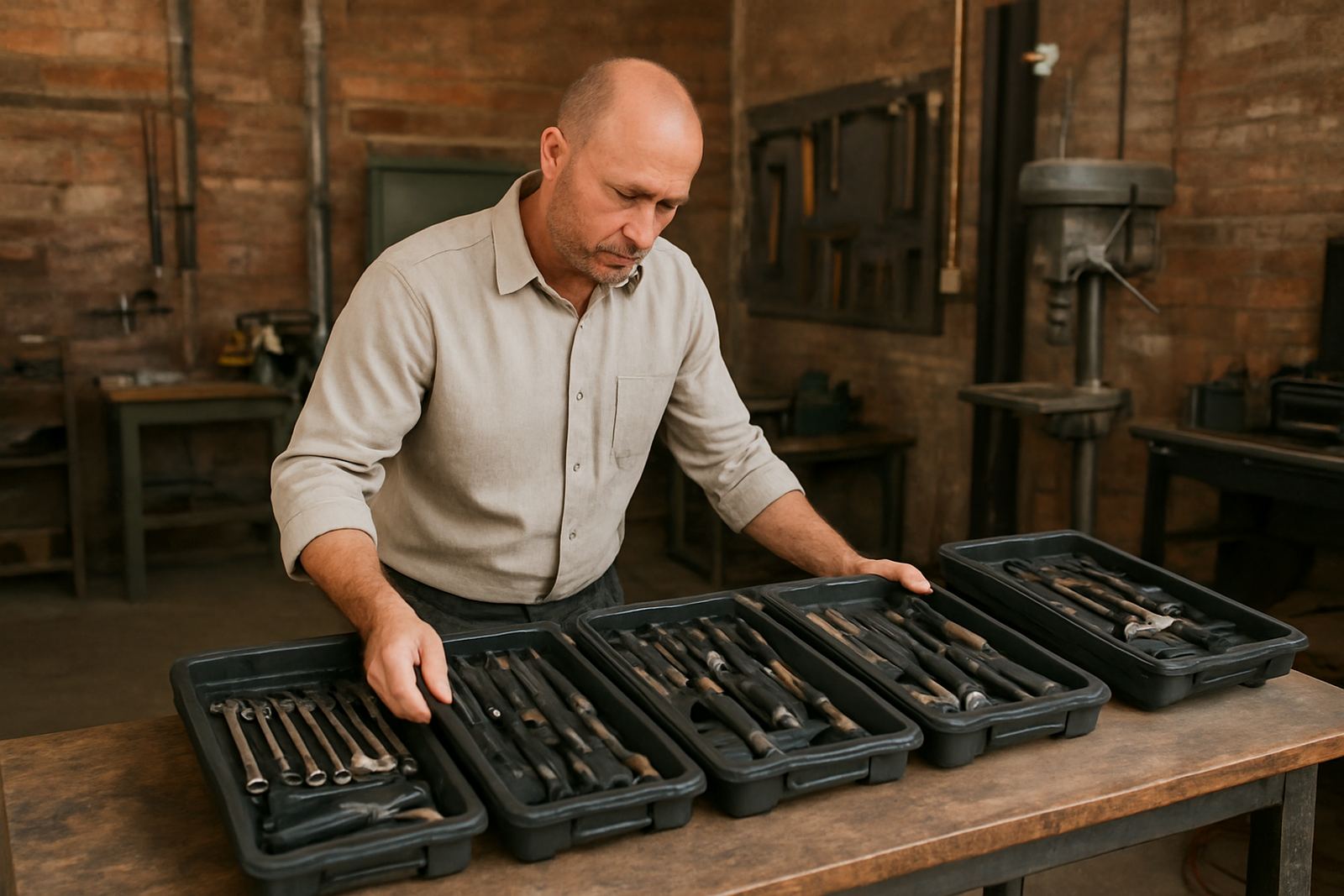
A basic toolkit works better when it has a clear home. Use a tool chest, wall board, tray inserts and labelled tubs so staff can see what is available and what is missing. This is especially useful in shared workshops where tools move between the bench, the yard and the vehicle. Good storage also helps when more than one person is placing orders.
If you are setting up in Pinetown or Hillcrest, where many trade spaces run with limited floor area, compact storage makes the workshop easier to keep tidy. Keep the most used tools at arm level and the spare consumables grouped by job type. A simple sign-out sheet can also help when tools are shared across shifts, because lost tools add cost very quickly.
- Drawer inserts and labels for small items
- Wall storage for daily-use hand tools
- Separate bins for fixings, blades and bits
- Basic sign-out or stock count system
How Jameson Tools helps new workshops get the first order right
When a workshop is still deciding what to buy first, a clear starter kit saves time and money. Tool kit planning helps match the tools to the jobs, while starter kit bundling keeps the first order practical and easier to track. That is useful for new teams, expanding sites and trade counters that need a consistent stock list.
Jameson Tools works from Pinetown, Durban with nationwide courier delivery, so workshops in nearby areas like New Germany, Westmead, Durban North and Umhlanga can get set up quickly, and sites further afield can still order with confidence. The team also helps with workshop setup advice, consumables replenishment, tool replacement matching and on-site tool inductions where needed. If you are building a first kit for a new trade space, start with the basics then add only what the work proves you need. That keeps the spend sensible and the workshop ready for real work.