What the Workshop Starter Kit includes
This kit is put together for trade work from the first day on site or in the workshop. It brings together the core hand tools, selected power-tool accessories, storage items and common consumables needed for routine fitting, fixing and maintenance jobs. The aim is simple, keep your team moving without wasting time on missing parts.
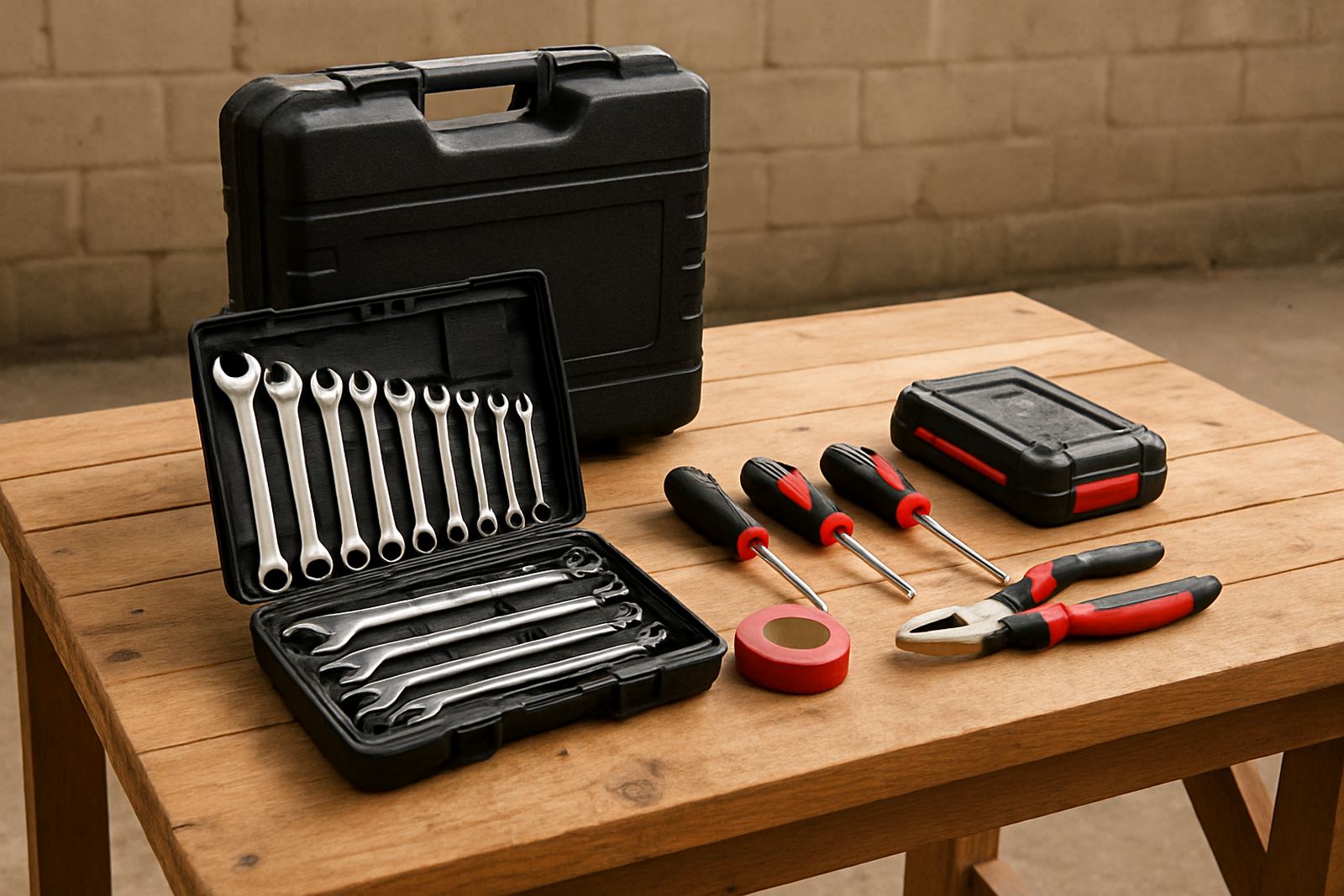
Depending on the version you choose, the bundle can suit a two-person maintenance team, a small fabrication bay or a new startup workshop. Most kits are supplied in a portable storage case or stackable container, which makes it easier to keep tools together and count stock at the end of the day.
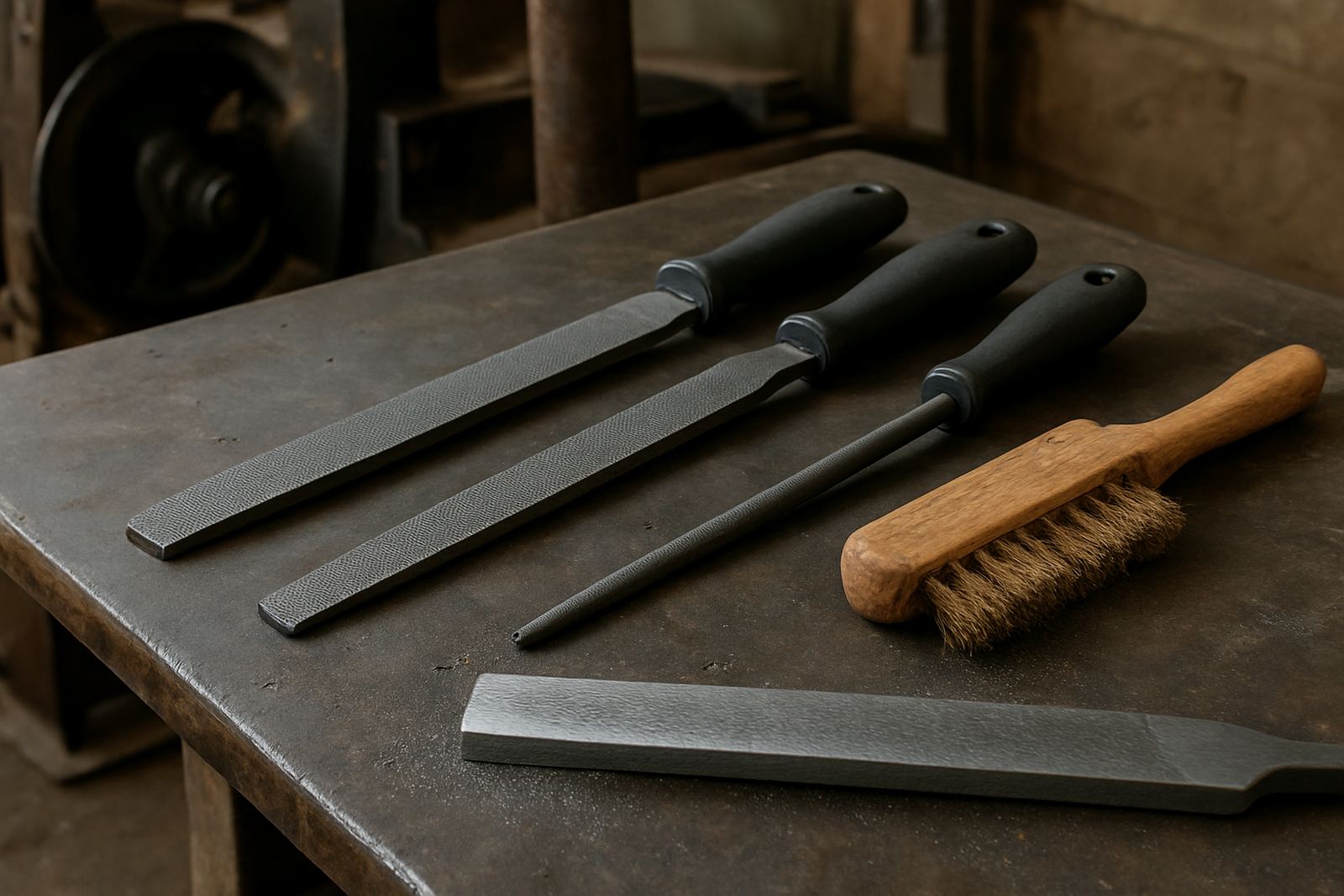
- General hand tools for assembly, stripping and fastening
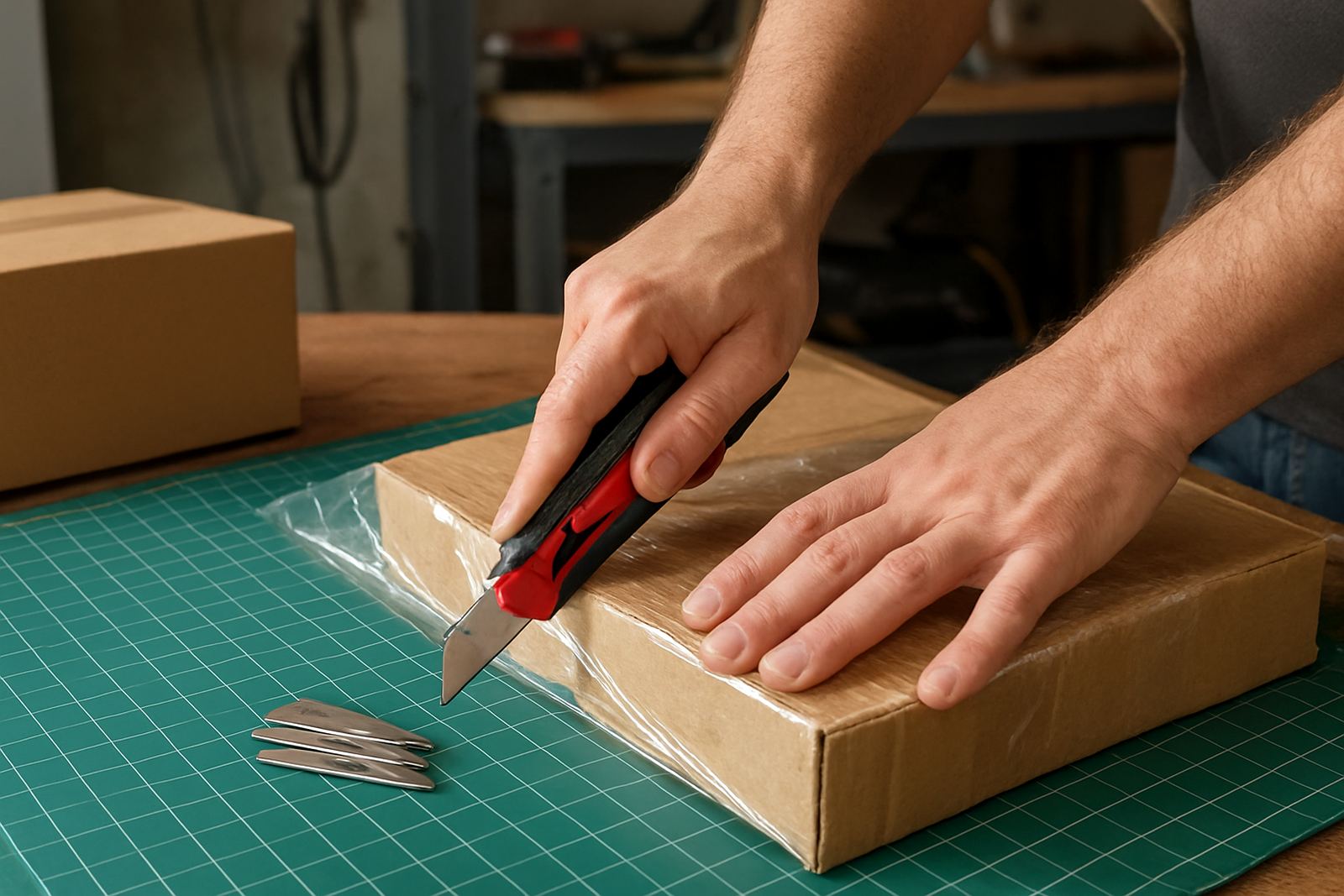
- Assorted drill bits, cutting discs and sanding accessories
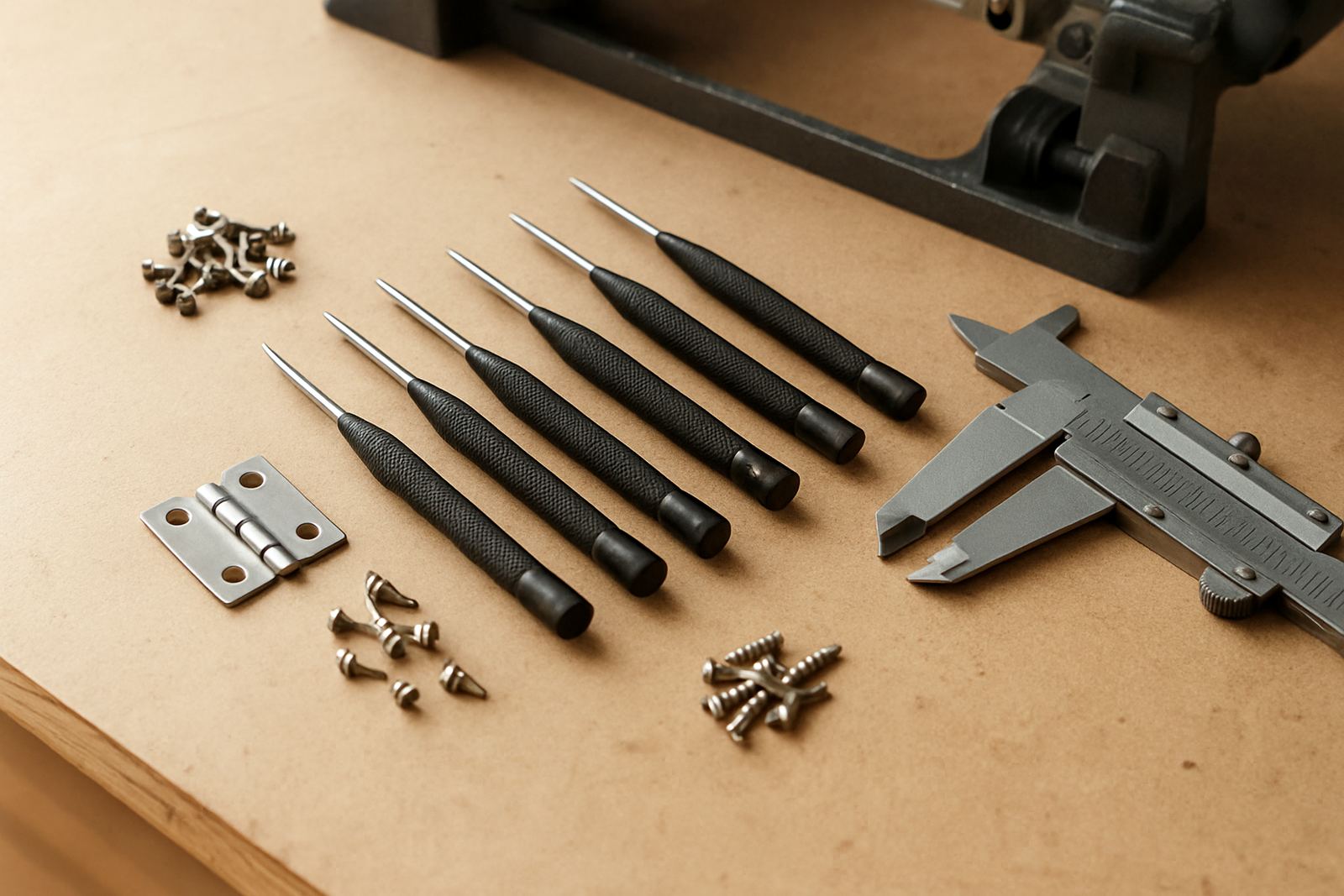
- Measuring and marking basics
- Safety items and small consumables
- Carry case or stackable storage option
Sizes and options for different workshop setups
Workshop Starter Kit options are selected around the size of your team and the type of work you do. A lighter kit suits mobile technicians, property maintenance teams and apprentices. A larger bundle suits a growing workshop that needs more duplicates, extra consumables and a wider spread of accessories for mixed jobs. If you run in Pinetown, Westmead or New Germany, it is often better to standardise the kit early so buying stays predictable.
Typical options can be adjusted for budget and use pattern. You can keep it lean for a first fit-out, or build it up with extra spares for high-wear jobs. If you are replacing old stock, we can match the kit to what you already use so there is less changeover for the team.
- Starter kit for 1 to 2 users
- Workshop kit for 3 to 5 users
- Expanded maintenance kit for mixed trade work
- Add-on packs for wear items and replacement consumables
Where this kit suits best
The bundle works well in trade workshops, on-site maintenance stores, school workshops and small engineering rooms. It is also a practical choice for teams working across Durban North, Umhlanga and inland sites where equipment needs to travel in a vehicle and still hold up to daily use. Coastal humidity can be hard on steel tools, so storage and regular cleaning matter more near the coast.
For businesses doing property maintenance, mechanical support, general repairs or light fabrication, the kit gives a good base without overcomplicating the setup. It is useful when you are training new staff too, because everyone starts from the same stock list and missing items are easier to spot.
- New workshops setting up from scratch
- Growing maintenance teams standardising tools
- Site teams needing portable supply packs
- Training rooms and apprentice bays
Installation, power and gas needs
The kit itself is not a fixed installation, but some of the accessories and tools you pair with it may need basic site planning. If you are adding chargers, grinders, compressors or other powered equipment, check plug points, cable runs and breaker capacity before the first day of use. In many local workshops, load-shedding planning still matters, so it helps to know which tools must run from mains power and which can wait for recharge time.
If your team uses cutting or heating equipment, make sure the workspace has proper ventilation, fire safety cover and the right gas cylinder storage if gas is part of the setup. Municipal rules and site safety procedures should always be followed, especially where cylinders, extension leads or shared circuits are involved.
- Confirm available plug points and supply rating
- Check if charging time affects shift handover
- Allow dry storage for electrical items
- Keep gas accessories and consumables separated from heat sources
Care and servicing to keep the kit working
Good tool life comes down to cleaning, storage and quick checks after use. Wipe hand tools down before packing away, clear dust from accessory cases and replace blunt or worn bits before they damage the job. In Durban weather, even a small bit of rust can spread if tools are left damp, so dry storage is worth the effort.
We suggest setting a monthly stock count for busy teams and a fuller review after heavier projects. That lets you spot missing items early and plan replenishment before jobs stall. If a tool starts slipping, binding or showing wear, replace it sooner rather than later, it usually saves money in the long run.
- Store tools in a dry lockable cabinet or case
- Check cutting and drilling accessories regularly
- Repack consumables by size and type
- Schedule replenishment before peak workload periods
What to check before you order
Before placing an order, count the users, list the main jobs and note any items you already have in stock. That helps avoid duplicates and keeps the kit focused on what your workshop actually uses. If you are setting up for apprentices or a new maintenance team, it helps to separate essential items from nice-to-have extras.
Please also check whether you need trade account support, courier delivery coordination or on-site tool induction. For workshops around Pinetown, Hillcrest and the wider Durban area, we can help with starter kit bundling and stock list standardising so the order matches the way your team works. A quick call before ordering often saves a second purchase later.
- Number of users and expected daily load
- Main trade tasks and accessory types needed
- Storage space and transport method
- Need for spares, replacements and replenishment packs
Key facts
| Product type | Workshop starter bundle for trade use |
|---|---|
| Use case | New workshops, maintenance teams, training bays and mobile technicians |
| Typical team size | 1 to 5 users depending on bundle option |
| Storage | Portable case or stackable container |
| Power needs | No fixed installation, but paired powered tools may need standard mains supply and charging points |
| Delivery | Nationwide courier delivery from Pinetown, Durban |