What This Screwdriver Bit Kit Covers
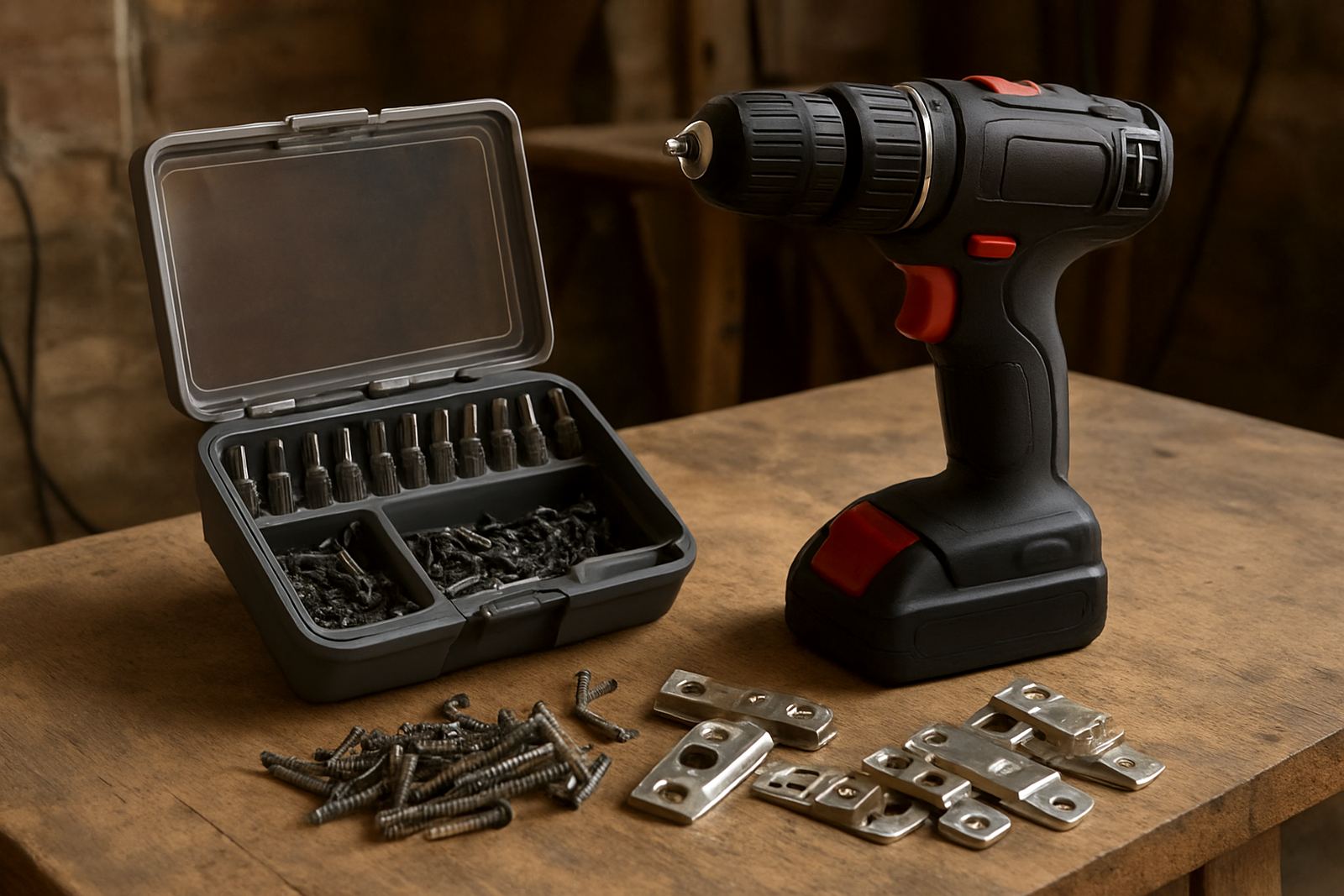
A screwdriver bit kit is a mixed set of replaceable driver tips used with hand drivers, cordless drills and impact drivers. Instead of keeping loose bits in a tin or pocket, you get a sorted selection for fastener heads used in furniture assembly, metal brackets, fittings, electrical enclosures and general repairs. For many workshops in Durban and the North Coast, it becomes a basic grab-and-go set for routine fastening.
These kits are made for everyday trade work, so the focus is on the bits that get used most often. You will usually see a combination of Phillips, Pozi, slotted, Torx and hex bits, plus bit holders and extension pieces in some sets. That mix helps when one job shifts from light assembly to tougher fixings, or when a client brings in mixed fasteners from different suppliers.
- Common drive types for mixed workshop use
- Suitable for hand drivers and powered tools
- Organised storage for quick selection on site
- Useful for repairs, fitting out and maintenance jobs
Sizes, Drive Types and Set Options
Most screwdriver bit kits are built around standard 25 mm bits for general work, with longer 50 mm or 75 mm bits available in some sets for tighter access. On trade jobs, the right size matters because a short bit can be awkward in recessed fixings, while a longer bit gives better reach around guards, brackets and machine housings. A good kit also keeps the most common sizes together, so you are not searching through a full toolbox when the job is waiting.
Typical options include 1/4 inch hex shank bits and magnetic holders for quick changes. Some kits include security bits for tamper-resistant fixings, which helps on access panels, public fittings and controlled equipment. If you work in coastal areas like Umhlanga or Durban North, a kit with coated or treated bits is worth considering because the air carries more moisture and tools can rust quicker if they are left damp.
- Standard bit lengths: 25 mm, 50 mm and 75 mm
- Common drives: Phillips, Pozi, slotted, Torx and hex
- 1/4 inch hex shank for most drivers and holders
- Optional security bits for special fasteners
Where The Kit Suits Best
This type of kit suits workshop benches, service vans, maintenance teams, hardware counters and DIY garages. It is especially handy where different trades share the same space, because each person can reach for the same tidy selection instead of borrowing bits and leaving them around. In Pinetown, Westmead and New Germany, that kind of shared-use set saves time on busy mornings.
It also works well for installations that involve repeated fastening, such as shelving, light fittings, cabinetry, shop fittings and equipment assembly. For businesses dealing with load-shedding, a manual driver still matters because not every fastening task can wait for power. A bit kit lets you keep moving even when the cordless drill is low on charge or the inverter is busy elsewhere.
- Workshop benches and service vehicles
- Maintenance teams and fit-out crews
- DIY garages and home repairs
- Assembly work on fittings, brackets and panels
Using The Bits With Hand Tools And Power Tools
Most screwdriver bits are used with a bit holder in a manual screwdriver or with a drill driver set to low speed. For tougher fixings, an impact driver may be used, but only if the bits are rated for that sort of work. The holder should grip the shank firmly and the bit must sit fully seated in the fastener head before you apply pressure. If the bit skips, it can chew the screw head and slow the job right down.
For power use, keep the speed controlled and match the bit type to the fastener. Too much speed can wear the tip early and too much sideways pressure can snap smaller bits. On site or in the workshop, a bit kit is best used with clean, straight alignment and proper lighting. If you are working in a noisy plant area, or on service calls in warmer months, take a moment to check that the bit is the right profile before you drive it home.
- Use with manual drivers, drill drivers and impact drivers where suitable
- Check the bit is fully seated before applying pressure
- Run at controlled speed to reduce wear
- Use the correct profile to prevent cam-out and stripped heads
Care, Cleaning and Workshop Servicing
Bit kits last longer when they are kept dry and put back in their case after use. Wipe off dust, swarf and oily residue before storage, especially after work on machinery or in metal fabrication bays. In humid coastal conditions, even small bits can show surface rust if they are left in a damp tray or a vehicle cubby hole overnight.
Check the tips often. If the edges look rounded, chipped or twisted, replace the worn bits before they damage fasteners. It is also worth keeping a small stock of the sizes you use most, so a missing bit does not hold up a job. For workshops that buy in bulk, standardising the kit layout helps staff find the right bit quickly and keeps replenishment simple, which is handy when orders need to be placed before month end.
- Wipe dry after use and store in the case
- Keep away from moisture and oily rags
- Replace worn or rounded tips early
- Hold spare stock of the most used sizes
What To Check Before You Order
Before ordering, confirm the fastener types you use most often and whether you need security bits, longer shanks or impact-rated options. Check the holder size too, because some customers want a compact kit for a tool bag while others need a fuller set for a fixed workshop station. If you are setting up in Durban, Pinetown or Hillcrest, it helps to match the kit to the actual jobs your team handles every week rather than guessing.
Also look at the storage case, bit count and whether the set includes a bit driver, extension bar or adaptor. For trade use, a tidy case with labelled compartments is worth more than loose pieces in a pouch. If you are buying for a team, think about who will use it, what sort of material they fasten into and whether the kit needs to travel with a courier or stay on site. Jameson Tools can help with kit planning, replacement matching and starter bundling so you do not end up with duplicates or gaps.
- Confirm the common screw head types used on your jobs
- Choose the right bit length and holder size
- Check if security or impact-rated bits are needed
- Review case layout, storage and spare bit needs
Key facts
| Product type | Mixed screwdriver bit kit for assembly, fixing and general workshop fastening |
|---|---|
| Drive sizes | 1/4 inch hex shank bits with assorted common head profiles |
| Typical bit lengths | 25 mm, 50 mm and 75 mm depending on set format |
| Common profiles | Phillips, Pozi, slotted, Torx, hex and selected security bits |
| Compatibility | Hand drivers, bit holders, cordless drill drivers and suitable impact drivers |
| Storage | Compact organised case for bench, vehicle or site use |