What the Masonry Bit Set Is Used For
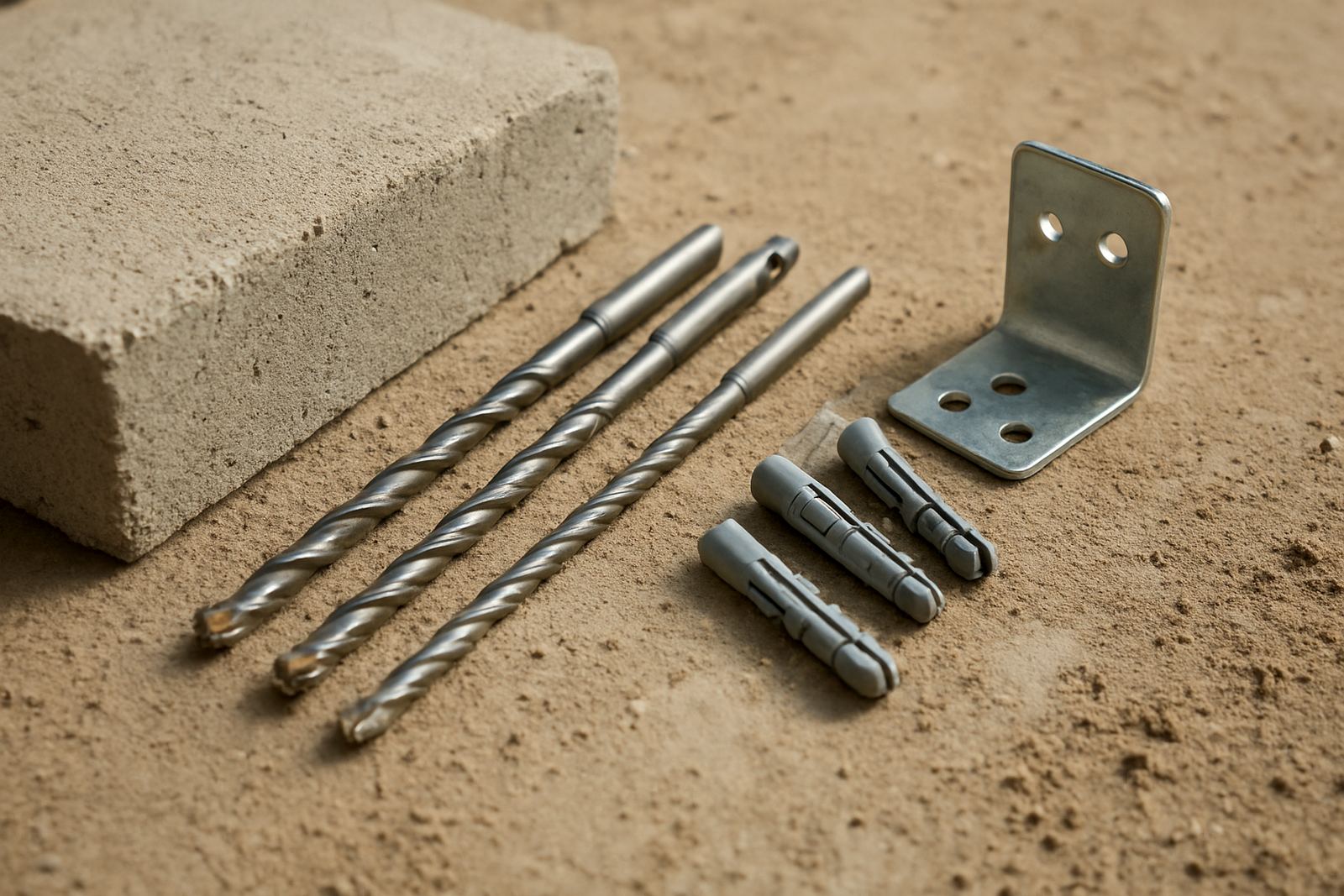
This set is built for drilling clean starting holes in masonry materials where a standard wood or metal bit will not hold up. It suits anchor bolts, wall plugs, shelving brackets, conduit clips, signage frames and general workshop wall fixing. In a Pinetown or Durban workshop, that often means brick, face brick, breeze block, concrete lintels and hard plaster over brick.
For trade users, the value is having several common sizes in one pack so you dont waste time hunting for the next hole size. It also helps when fitting out a workshop, storeroom or service bay because the same set can cover light fixing work and heavier anchor prep, depending on the plug or fastener used.
- Suitable for brick, block, concrete and plastered walls
- Useful for anchor holes and bracket fixing
- Handy for workshop fit-outs and repair work
- Good for both trade crews and DIY users
Sizes and Bit Options to Look For
Masonry bit sets are usually supplied in the more common diameters used on site and in workshops. A practical set will often include smaller pilot sizes and larger fixing sizes so you can match the hole to the wall plug or anchor. For heavier fixings, the bit needs to match the manufacturer’s fixing size closely or the anchor may spin, especially in softer block. That matters more than most people think.
Typical options include 4 mm, 5 mm, 6 mm, 8 mm, 10 mm and 12 mm bits, with some sets adding 14 mm or 16 mm for bigger anchors. Length matters too. Short bits are better for neat cupboard brackets and light wall fixings, while longer bits help when drilling through thick plaster, render or when you need extra clearance on deep holes.
- Common diameters: 4 mm to 12 mm
- Longer sizes available for deeper holes
- Choose the size to match the plug or anchor
- Check if the set includes storage casing or holders
Where This Set Suits South African Workshops
This bit set suits maintenance teams, builders, shopfitters, electricians, plumbers and small fabrication workshops that do regular wall fixing. In Durban and the coastal areas, humidity can affect stored tools, so a set with protected shanks and a proper case is useful for keeping the bits in order. If you work between Pinetown, New Germany and Westmead, or travel out to Hillcrest and Umhlanga, a compact set is easy to keep in the van.
It also works well in smaller home workshops where you need a reliable set for curtain rails, storage racks, hose hooks, wall-mounted tool boards and brackets. For trade accounts and starter kits, it is one of those items that gets used more often than expected. When a job is on site and load-shedding has pushed the work back, having the right sizes ready saves a lot of time.
- Workshop wall installations
- General maintenance and repairs
- Site work in residential and light commercial spaces
- Starter workshop packs and trade stock lists
How to Drill Cleanly and Safely
Use the right drill mode for masonry and let the bit do the work. A hammer drill is normally the right tool for brick and concrete, while a rotary-only drill is better left for lighter wall materials unless the material is soft. Mark your hole, start square to the wall, and clear dust as you go so the bit does not bind. If you are drilling into older walls, check for hidden services first because many sites have been altered over the years.
For best results, keep steady pressure and do not force the bit. If the wall is very hard, a pause to clear dust can improve the cutting action. On plastered walls, start slowly so the surface does not chip badly, then increase speed once the bit has seated. A small wobble at the start can ruin the finish, so keep both hands firm and your stance balanced.
- Use hammer action for masonry drilling
- Keep the bit square to the wall
- Clear dust from the hole during drilling
- Check for pipes and cables before you start
Power Needs, Tool Compatibility and Site Conditions
This set needs the right drill, not a special power source. A corded hammer drill is usually the simplest option for workshop work, especially where power cuts can interrupt battery charging. Battery hammer drills also work well for mobile teams, provided the battery capacity matches the job and the material is not too dense. For heavy anchor work, a drill with enough impact force will make the job faster and neater.
In hot or coastal conditions, wipe the bits after use and do not leave them in an open tray overnight. Moist air can start surface rust on unprotected steel quite quickly. If you work near the coast or in dusty industrial areas, a closed case helps keep grit off the cutting edges and that makes a difference to bit life.
- Works with corded hammer drills and battery hammer drills
- Best for masonry drill mode
- Store in a dry case after use
- Avoid leaving bits loose in a van or trailer
Ordering the Right Set for Your Job List
When ordering, check what holes you actually drill most often. For example, shelving and bracket work may only need 6 mm, 8 mm and 10 mm sizes, while heavier fixings can need 12 mm and above. It also helps to know the wall type on your jobs because brick and block behave differently, and concrete is usually tougher. If your team works across Durban North, Pinetown and surrounding areas, one mixed set may cover most day-to-day fixing work without overbuying.
Look at the number of bits in the set, the size spread, shank type and whether the case keeps everything sorted. If you run stock for a workshop or trade counter, standardising on one or two set sizes makes replenishment simpler. Our team can assist with tool kit planning, replacement matching and starter kit bundling so the order fits the way your workshop actually works.
- Match sizes to your wall plugs and anchors
- Check the number of bits in the set
- Confirm the drill shank and tool compatibility
- Use stock lists to standardise repeat orders
Key facts
| Product type | Masonry bit set for drilling brick, block, concrete and plastered walls |
|---|---|
| Common sizes | 4 mm, 5 mm, 6 mm, 8 mm, 10 mm, 12 mm, with some sets extending to 14 mm or 16 mm |
| Tool compatibility | Hammer drill and battery hammer drill |
| Typical use | Anchor holes, brackets, wall plugs, conduit clips and workshop wall fittings |
| Storage | Best kept in a dry, closed case to limit rust and loss |
| Supply | Nationwide courier delivery from Pinetown, Durban |