What the Hole Saw Kit is used for
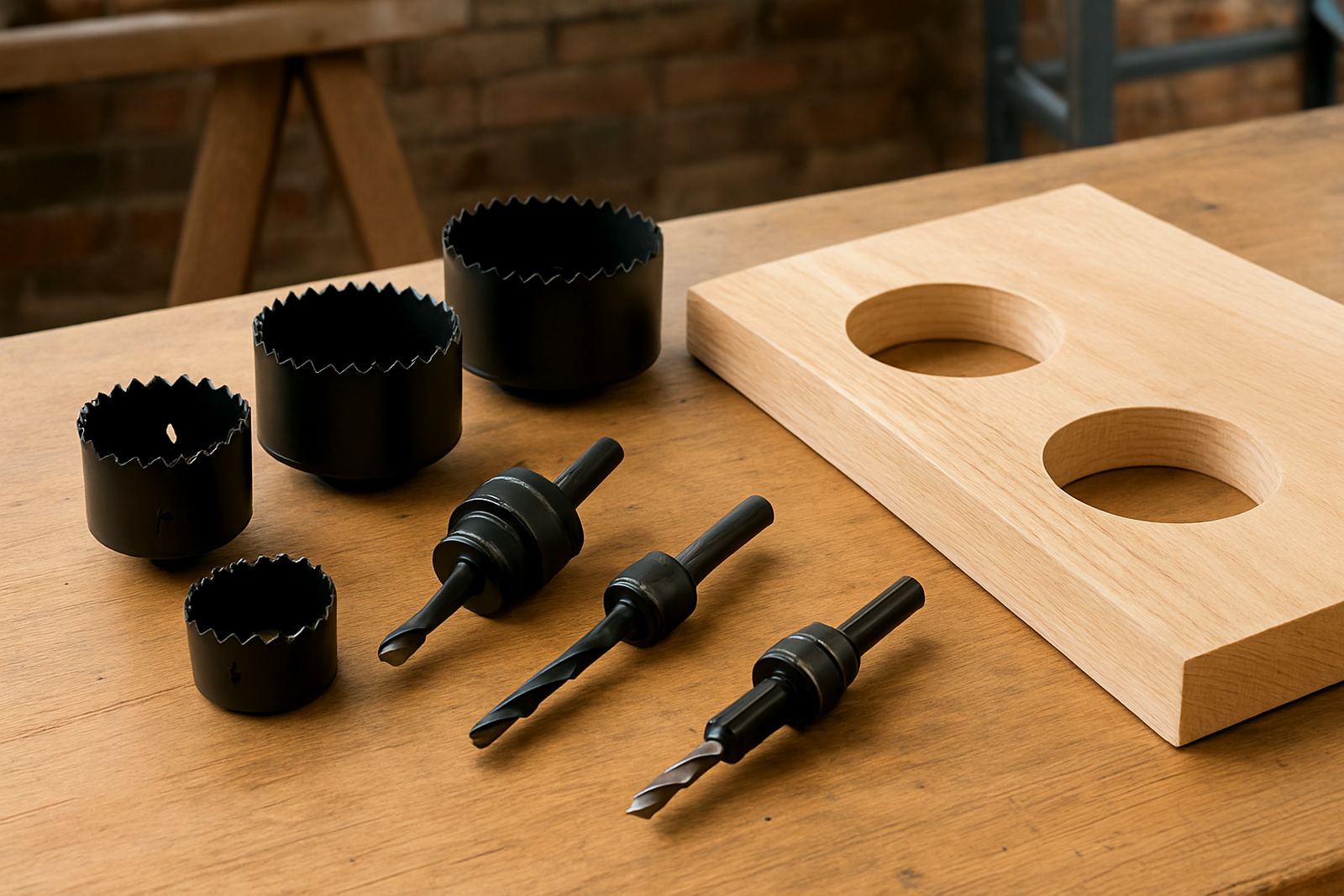
This kit brings together the cutters and matching arbors needed for day-to-day workshop and site work. It is used for service penetrations in timber, plasterboard and selected plastics, conduit openings in cabinets, and fitment holes where a clean round cut saves time on filing and rework.
For trade teams in Pinetown, Durban North and Umhlanga, it is a handy set to keep in the van or service bay. If you are working around load-shedding backups, control panels or retrofit jobs, having the right diameter on hand can keep a callout moving instead of waiting for another trip to the supplier.
Common sizes and kit options
Most hole saw kits are supplied in a mixed range so you can cover the most common opening sizes in one case. Typical sizes include 19 mm, 22 mm, 25 mm, 32 mm, 38 mm, 44 mm, 51 mm and 64 mm, with larger sets adding 76 mm, 89 mm and 102 mm for bigger service and cabinet work.
- Mixed-size kit for general maintenance and workshop use
- Metric sizes suited to conduit, cable glands and fittings
- Arbor with pilot drill for stable starting
- Deep-tooth cutters for smoother removal in timber and board
- Carry case for keeping cutters together between jobs
When ordering, check whether the set is for light-duty use or for frequent trade work. A set that sees daily use in Westmead or Hillcrest should hold its edge well and keep the arbors tight under repeated drilling.
Where it suits in South African workshops
This kit is a good fit for electrical, cabinet, maintenance and light installation work. It is commonly used on switchboard cut-outs, access holes, appliance panels, conduit routes, and cabinet fitment where a circular opening is needed and the finish matters.
In coastal areas like Durban and Durban North, tool storage matters as much as the cutter itself. Keep the set dry after use and avoid leaving it in a damp bakkie bin or open tray overnight, because humid air can stain carbon steel cutters and shorten service life. For workshops in New Germany and Pinetown, a labelled set helps with stock control and reduces missing sizes.
- Electrical service penetrations
- Cabinet and kiosk fitment work
- Light fabrication and panel modification
- DIY renovation and maintenance jobs
How to use it on site
Start by marking the centre point clearly and checking what sits behind the panel before you drill. Fit the correct arbor, confirm the pilot drill is secure and run the cutter square to the surface. Let the tool do the work and avoid forcing it, especially in laminated board or painted metal where a hard push can tear the edge.
Use the right drill speed for the material. A slower speed is safer for larger diameters and harder surfaces, while steady pressure gives a cleaner finish than short bursts. For powered work, make sure your drill has enough torque and a side handle if you are cutting larger holes. A cordless drill is fine for smaller sizes, but on bigger openings a corded drill usually gives better control and fewer stops for battery changes. Check that the battery or power supply is ready before heading out, because a half-charged drill on site can waste time fast.
Care, servicing and storage
Clean the cutters after use and remove swarf from the teeth and arbor. A light wipe of oil helps slow rust, especially if the kit is used near the coast or stored in a vehicle. Replace worn pilot bits early, because a blunt pilot can make the cutter wander and leave a rough hole.
Keep the pieces in the case so the teeth do not knock against each other. If a cutter starts heating too quickly, snatching or leaving burn marks, it may need sharpening or replacement. For teams that handle regular installs, it is worth doing a quick monthly check on the full kit, including set screws, pilot bits and missing adaptors.
What to check before you place an order
Before ordering, confirm the materials you work with most often and the hole sizes you need on a regular basis. A good kit should match the jobs you take on, not just look complete on paper. If you fit cabinets, service panels or conduit systems, check the depth of cut, the shank type and whether the arbors suit the drill you already use.
- Material type: timber, board, plastic or light metal
- Diameter range: the sizes you use most often
- Cut depth: enough for the panel thickness
- Arbor compatibility: matches your drill chuck and pilot setup
- Replacement parts: pilot drills and arbors available separately
- Storage: case size that fits your van or workshop shelf
If you are supplying a team, ask about starter kit bundling and stock list standardising so you keep the same sizes across branches. That makes replenishment easier and cuts down on wrong picks when jobs are booked in quickly.
Key facts
| Product type | Mixed-size hole saw kit for trade and maintenance use |
|---|---|
| Typical size range | 19 mm to 102 mm depending on kit option |
| Included items | Cutters, arbor, pilot drill and storage case |
| Best materials | Timber, plasterboard, plastics and selected light metal applications |
| Power requirement | Handheld electric drill or cordless drill with enough torque |
| Use environment | Workshop, site install, cabinet fitment and service work |
| Supply | Nationwide courier delivery from Pinetown, Durban |