What a Bar Clamp Pair Is Used For
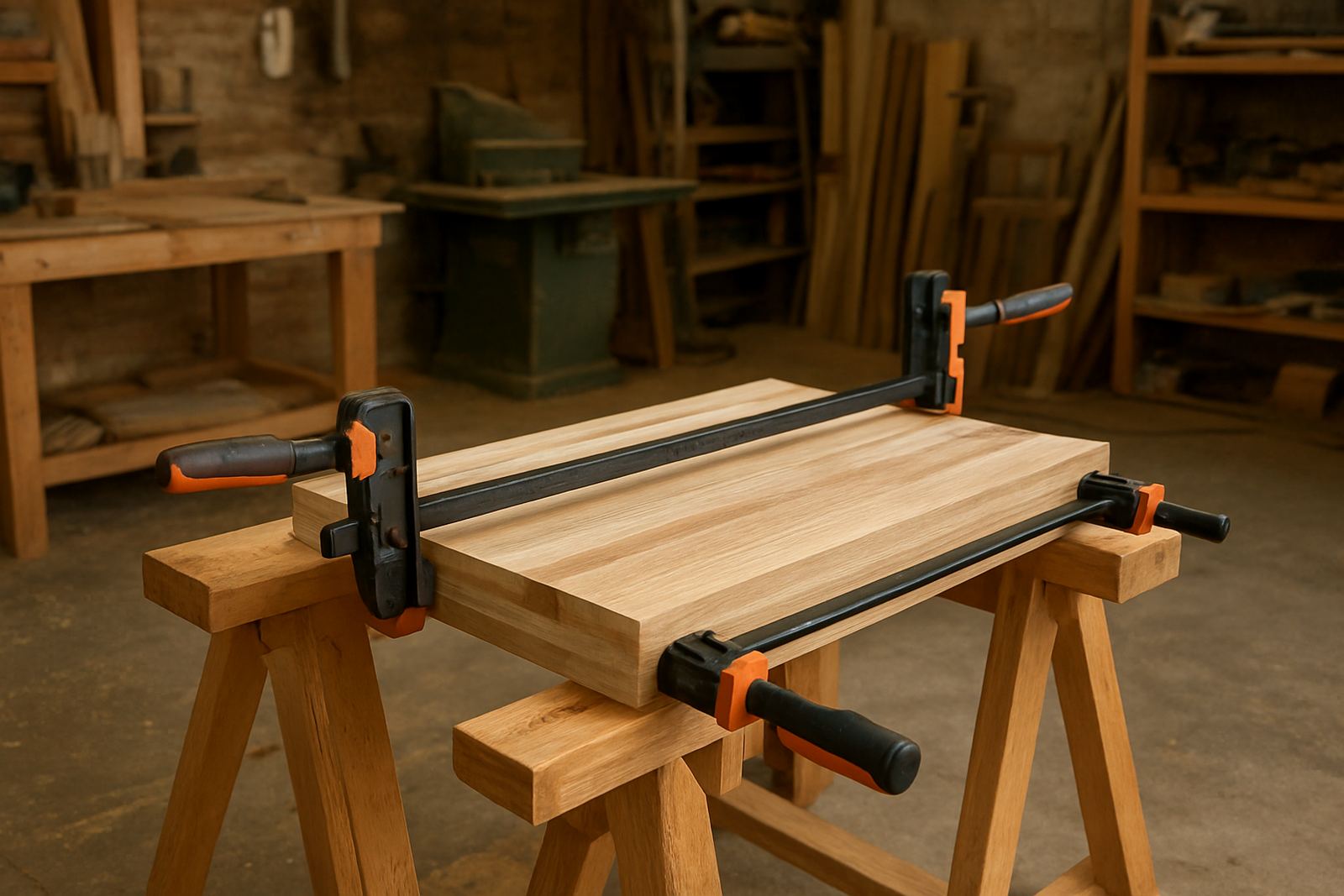
A bar clamp pair is a simple clamping set built for jobs where ordinary small clamps run out of reach. The long bar lets you hold wide panels, glued-up boards, face frames and box sections while adhesive sets or fixings are tightened. In a busy workshop it is one of those items that gets used more often than you expect.
These clamps suit cabinetry work, timber framing, furniture assembly, repairs, and general bench-top building tasks. They are also useful on site when you need a quick hold on a door panel, shelf assembly or mitre joint. For workshops in Durban and the surrounding areas, the practical benefit is control. You can keep parts square while you work and reduce rework later.
The pair format is handy when you want an even grip from both sides of a panel, or when a second clamp is needed to stop twisting. On larger builds that extra support makes a real difference, especially when the timber has a slight bow or the job is being done on a crowded bench.
Sizes, Reach Options and Clamp Pressure
Bar clamp pairs are usually chosen by the length of the bar and the maximum opening. Common workshop sizes include 600 mm, 900 mm and 1200 mm, with some jobs needing more reach for deeper cabinets or longer assemblies. When ordering, think about the widest panel you normally work with and allow a bit extra for awkward angles.
Pressure control matters as much as reach. A good clamp should hold firmly without crushing soft timber or marking finished surfaces. For joinery and cabinet work, steady pressure is better than over-tightening. If you are clamping veneered board or painted parts, use pads or packers to spread the load and protect edges.
- 600 mm pair for small cabinets, repairs and light framing
- 900 mm pair for general workshop assembly and medium panels
- 1200 mm pair for larger carcasses, longer boards and site work
- Deep reach options for parts that sit away from the edge
- Clamp pads or soft faces for finished surfaces and coated material
For trade buyers, matching the bar length to the type of job saves time and space on the rack. A mixed set often works better than only buying the longest clamp available.
Where These Clamps Suit Workshop Work
These clamps fit neatly into cabinetry shops, fitment bays, small timber yards and general maintenance workshops. They are useful when assembling carcasses, keeping mitres aligned, holding glued joints and fixing up site-built items before final fastening. In places like Pinetown, Westmead and New Germany, that kind of mixed workshop use is common and a long-reach clamp earns its keep quickly.
They are also practical for DIY users setting up a garage workshop. If you are building shelves, worktops, TV units or storage boxes, a pair of long clamps gives you enough hold to work safely and accurately. The same applies to school workshop programmes and training spaces where learners need a clear, easy clamp that is not complicated to use.
Because Durban humidity can affect timber movement, especially near the coast, it helps to clamp parts promptly after test fitting. Once parts start shifting with heat and moisture, alignment becomes harder. A proper clamp pair lets you keep things square while you sort the fixings.
Setup, Power Needs and Site Practicalities
A bar clamp pair does not need power, gas or special installation. That is one reason trade teams like it. You can use it anywhere there is a bench, a flat floor, or a pair of trestles. It remains useful during load-shedding too, since the job still carries on even when powered tools must wait.
For site work, check that the clamping area has enough clearance for the bar to slide through and that the workpiece will not tip when pressure is applied. If the clamp is being used near painted walls, finished cupboards or delicate flooring, add protection under the jaws and under the work to avoid damage. On uneven floors, pack the pieces so the clamp pulls square instead of dragging the joint out of line.
- No power supply required
- No gas bottles or consumables needed
- Suitable for bench, trestle or site use
- Works well during load-shedding and mobile jobs
- Use jaw pads or packers where surface protection is needed
For heavier workshop setups, keep the clamping area clear and easy to reach. A clamp that is stored badly gets bent bars, sticky slides and poor alignment before you even start the job.
Care, Servicing and Longer Working Life
Bar clamps are simple tools, but they last longer if they are kept clean. Dust, glue squeeze-out and metal swarf can build up on the bar and slow the slide action. Wipe the bar after use and remove dried adhesive before it hardens. If a clamp is left with glue on the jaws it can mark the next job and reduce grip.
Check the pads, threads and moving parts now and then. If the clamp has a screw mechanism, make sure it turns smoothly and does not bind. A light oil on moving metal parts can help, but do not overdo it because oil near glued joints is never a good idea. In coastal areas, store the clamps in a dry rack or cabinet where possible to limit corrosion from humid air.
If a clamp has been dropped or loaded at an angle, inspect the bar for bends and the jaws for misalignment. A bent clamp may still look usable but it will not hold square properly, and that can waste timber and glue. Better to replace a damaged unit early than force a poor result.
What to Check Before You Order
Before you place an order, check the clamp length you need, the opening range, and whether you want a plain bar clamp or a pair with added reach and pressure control. Also think about what material you use most often. Pine, hardwood, board, MDF and laminated panels each behave a little differently when clamped.
- Required bar length and maximum opening
- Whether you need a pair or multiple pairs for larger assemblies
- Jaw protection for finished surfaces
- Grip pressure for soft timber versus dense hardwood
- Space available on your bench or in the van
- Delivery to Pinetown, Durban North, Umhlanga or further nationwide
If you are building out a new workshop or standardising your stock list, it helps to order the clamps that suit your most common jobs first. That keeps the kit practical instead of just filling shelf space. For trade accounts, it also makes replenishment easier when the same size is used across the team.
Jameson Tools supports workshop planning, starter kit bundling and courier delivery from Durban to customers across South Africa. If you are unsure which clamp pair fits your work, the team can help match the size to the task and the type of material you use.
Key facts
| Product type | Long-reach bar clamp pair |
|---|---|
| Common sizes | 600 mm, 900 mm, 1200 mm |
| Typical use | Cabinetry, framing, panels and bench-top assembly |
| Power or gas required | None |
| Suitable users | Trade workshops, site teams and DIY users |
| Care | Keep clean, dry and free of glue build-up |