What Long Nose Pliers Are Used For
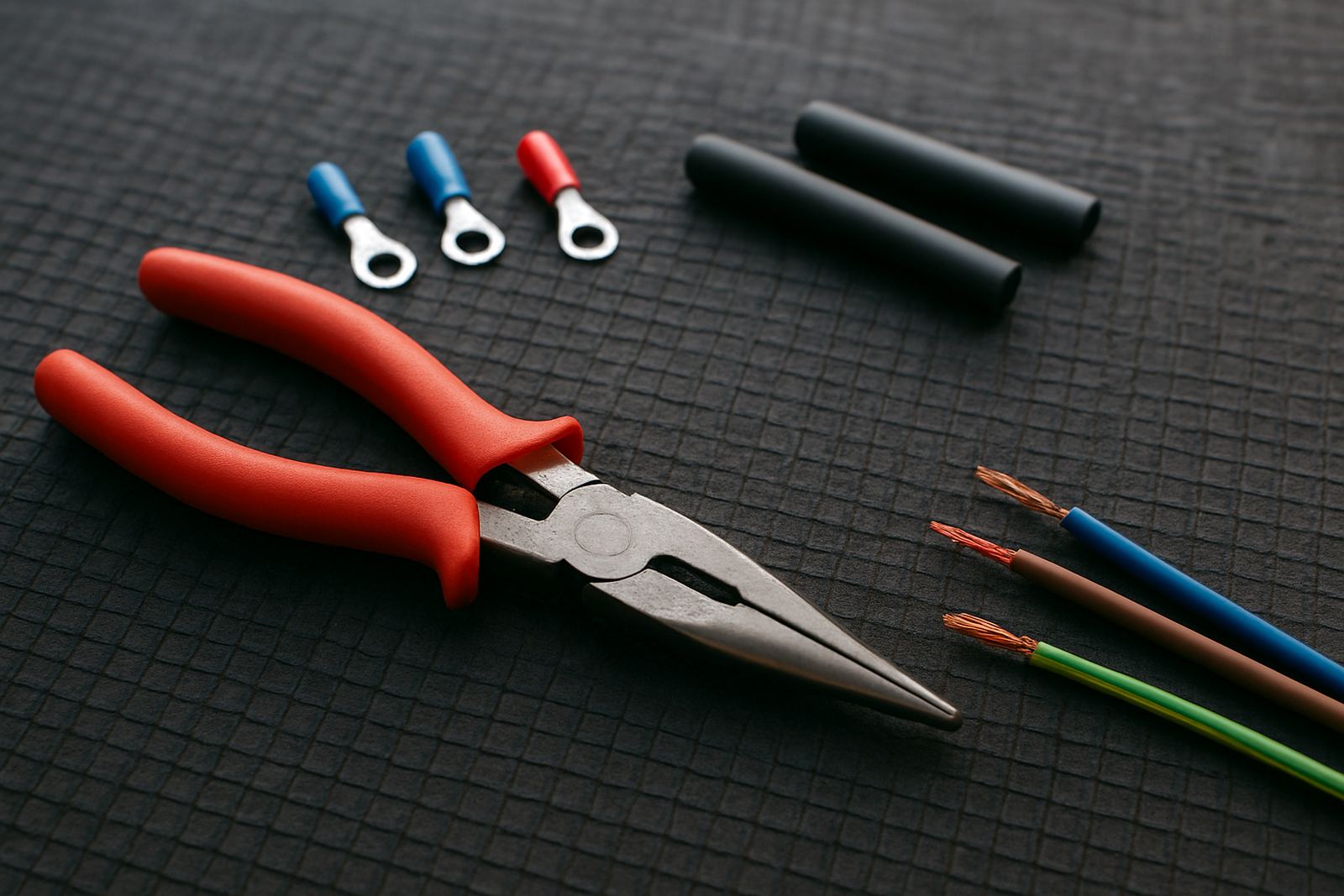
Long nose pliers have a slim, tapered jaw that reaches into narrow areas and gives better control over small components. They are useful for gripping wire ends, bending loops, positioning clips, holding fasteners, and working inside housings, panels and equipment covers. In a busy workshop or site van, they save time when a normal pair of pliers cannot get into the space.
These pliers are often chosen for electrical work, automotive repairs, appliance servicing, and general maintenance. The narrow nose helps when you need a steady grip without crushing the part, and the serrated jaws help hold small items that may slip with bare hands.
Sizes, Jaw Shapes and Handle Options
We stock long nose pliers in common trade sizes so you can match the tool to the job. Standard lengths are usually 150 mm, 160 mm and 200 mm, with longer options offering extra reach and shorter options giving more control in tighter quarters. Some models have straight jaws while others have a slight bend for improved access around edges and brackets.
- 150 mm for fine work and compact tool rolls
- 160 mm for general electrical and maintenance tasks
- 200 mm for deeper reach and better leverage
- Insulated handles for electrical use where required
- Comfort grip handles for repeated daily use
For workshop teams, a mixed set is often the best value because one size does not suit every job. A 200 mm pair is handy in engine bays and panel work, while a 150 mm pair is better for clips, terminals and light assembly.
Best Suited Workshops and Job Types
Long nose pliers suit electricians, auto technicians, maintenance crews, fitters, refrigeration teams and general handymen. In Durban and coastal areas, they are also useful for light fabrication and repair work where small parts need to be handled carefully. They are practical on site, in a factory maintenance store or in a home garage.
They are especially useful for:
- Looping and bending wire ends
- Removing and fitting retaining clips
- Holding small nuts, washers and pins
- Accessing tight corners inside equipment
- Cutting and shaping light wire on some models
If your work includes panel wiring or installation tasks, choosing a pair with insulated grips can be a better fit. Always match the tool to the task and the risk level, especially around live circuits.
Power, Gas and Installation Needs
Long nose pliers do not need power, batteries or gas. That makes them dependable during load-shedding, on remote sites and in vehicles where charging points are not always available. They are ready to use straight from the toolbox, which is one reason they remain a regular purchase for trade counters and workshop starters.
There is no installation as such, but correct use matters. Keep the jaws aligned, avoid using the pliers as a hammer or pry bar, and do not overload the cutting edges if the model includes a cutter. If you are working on electrical systems, use the correct insulated type and follow your site safety rules. A small slip can damage the component or bend the jaw, so steady pressure is best.
Care, Cleaning and Workshop Lifespan
With basic care, long nose pliers can last well in a busy South African workshop. Wipe them after use, especially if they have been exposed to oil, moisture or dust. In coastal areas like Durban and Umhlanga, a light film of corrosion can appear faster, so keep the tools dry and store them in a closed drawer, bag or cabinet when possible.
Check the pivot for smooth movement and apply a light machine oil if the action feels stiff. Do not leave the tool sitting in water or on damp concrete. If the cutting edge is nicked or the jaw is bent, replace the tool instead of forcing it back into service. That keeps the work neat and reduces the chance of damaging wiring or fittings.
What To Check Before You Order
When ordering long nose pliers, it helps to confirm the length, handle type and intended use. Some teams need a general purpose pair while others require insulated handles for electrical work or a slimmer head for confined spaces. If you are kitting out a new workshop in Pinetown, Westmead or New Germany, a standardised list can keep stock simple and reduce mix ups.
- Required length in mm
- Straight or angled nose
- Insulated or non-insulated handles
- Need for a built-in cutter
- Single item or part of a starter kit
- Delivery address and contact number for courier handover
We also help with tool replacement matching if your team already uses a preferred size and grip style. If you are buying for multiple sites or adding to trade account stock, we can keep the ordering list consistent and practical.
Key facts
| Product type | Long nose pliers |
|---|---|
| Common lengths | 150 mm, 160 mm, 200 mm |
| Jaw style | Slim tapered nose for confined work |
| Handle options | Standard grip or insulated grip |
| Main uses | Wiring, clips, small parts, light assembly |
| Power requirement | None, manual hand tool |