A practical tape for daily trade measurements
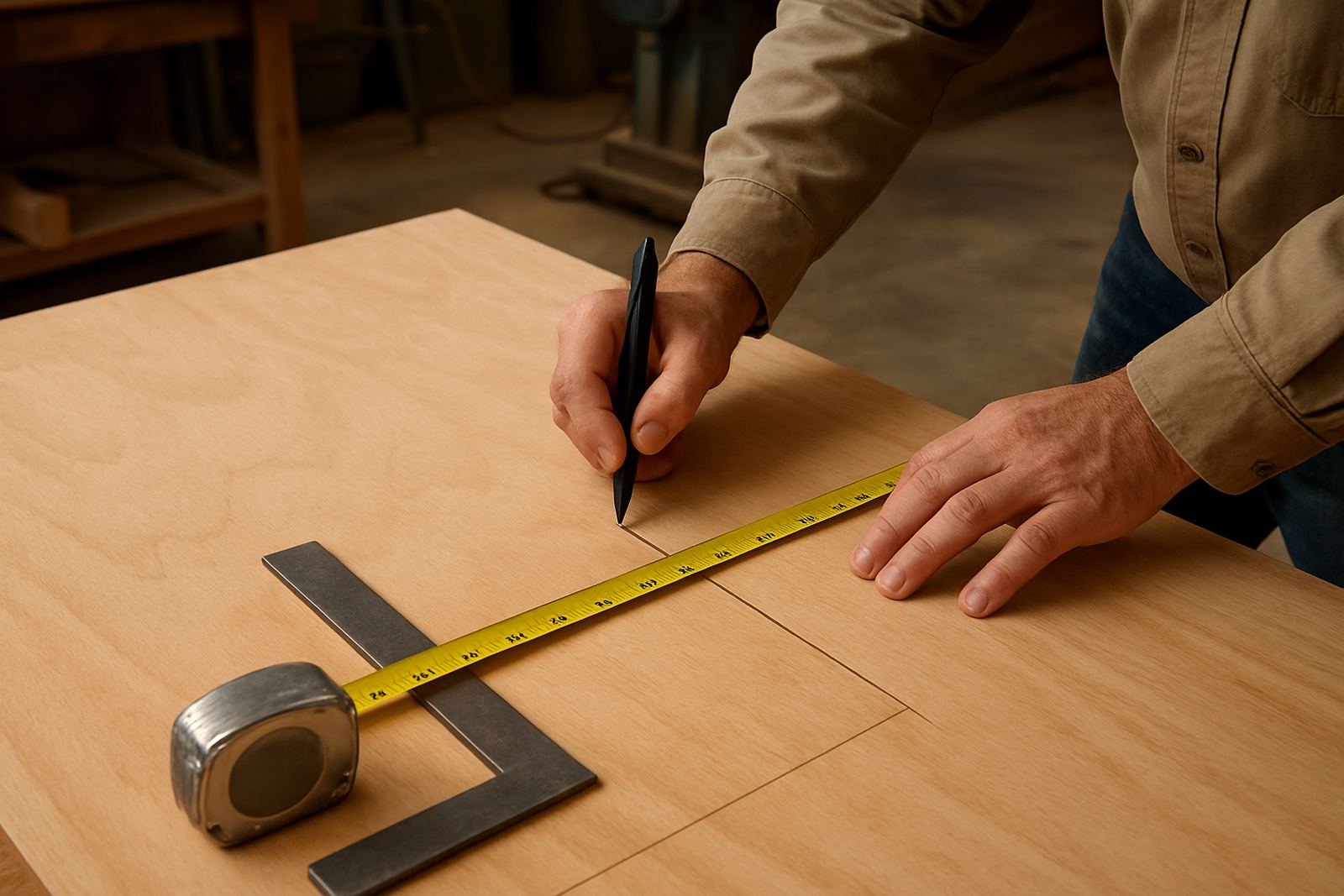
This measuring tape is the sort of item that gets used many times a day, so it needs to hold up to dust, knocks and being clipped onto a belt or dropped onto a steel bench. It is suitable for workshop layout, marking timber, checking openings, setting out sheet material and confirming installed items before sign-off. The steel blade retracts back into a compact case, which keeps it ready for the next measurement instead of curling up in a drawer.
For Durban and Pinetown workshops, a tape like this is useful when you are working through humid conditions where paper rulers get damaged quickly and soft plastics can become slippery. The clear markings make it easier to read in low light, which helps during load-shedding or early starts, and the lock keeps the blade steady while you mark out.
Sizes and options worth checking before you buy
Measuring tapes are usually chosen by blade length, blade width and how the case sits in the hand. For trade use, common choices are 3 metres, 5 metres and 8 metres, with a wider blade often giving better stand-out when measuring alone. A wider blade can also make it easier to reach across a gap without the tape folding over on itself.
- 3 m tape for quick bench work, small repairs and light DIY jobs
- 5 m tape for general workshop measuring and most installation work
- 8 m tape for larger rooms, shopfitting and site checks
- Metric markings for South African trade use
- Durable steel blade with clear printed graduations
- Locking button for fixed measurements and repeat marking
If you are setting up a new workshop in Westmead or New Germany, the 5 metre size is usually the easiest all-round choice. For builders, installers and fitment teams working in Umhlanga, Durban North or Hillcrest, an 8 metre tape may save time on larger jobs.
Where this tape suits best
This type of tape suits general trade work, light fabrication, joinery, carpentry, maintenance and fitment jobs. It is also handy for stock rooms and dispatch areas where you need to check crate sizes, shelf spacing or material lengths before loading a vehicle. In a busy workshop, one tape often ends up doing the work of several because it can move from cutting table to vehicle bay without much fuss.
It is a sensible choice for anyone who needs repeatable measurements on doors, frames, pipes, cable runs, counters and flooring. The tape also works well for training sessions, where new staff need to learn basic measuring habits and keep their marks consistent. Training is easier when the tape reads clearly and retracts smoothly, not jerking halfway back.
Power, gas and installation needs
No power or gas supply is needed for a measuring tape, which makes it useful on sites with no electricity or during municipal outages. You only need a clean working surface and enough light to read the blade correctly. If you are measuring outdoors near the coast, try to wipe the blade before retracting it, since fine sand and salty moisture can work their way into the case over time.
There is no installation as such, but a few habits help the tape last longer. Do not let the blade snap back under full force, because that puts strain on the return spring and the hook. When measuring rough timber or metal, keep the blade flat and avoid twisting it too sharply, otherwise the markings can wear faster than they should.
Care, servicing and longer working life
A measuring tape does not need much servicing, but small bits of care make a difference. Keep the blade dry, brush off dust after use and avoid storing it with wet rags or chemical containers. If the case is dropped and the blade stops retracting properly, it may be easier to replace the tape than keep fighting with it on site.
- Wipe the blade before it retracts fully
- Store it in a dry toolbox or wall rack
- Keep it away from grinding sparks and cutting heat
- Check the hook for looseness before precision work
- Replace worn tapes where the numbers are fading
For shops that run seasonal refreshes or stock list standardising, it helps to keep tapes grouped by size and marked for specific bays. That way everyone uses the same measuring format and there is less confusion during a rush.
What to check when ordering for workshop use
When ordering a measuring tape, check the blade length, whether you want metric markings only, and how tough the case needs to be for your work environment. If your team does a lot of one-person measuring, look for a blade that stays straight for a reasonable distance. If the tape will be used by apprentices or in a mixed workshop, a simple lock and clear print are often more important than extra features.
It also helps to think about the jobs you do most often. Installation teams may need a longer blade, while bench fitters and DIY users may prefer a lighter tape that sits comfortably in the hand. If you are ordering with other consumables, ask about trade account support and courier delivery coordination to Pinetown, Durban North, Hillcrest, Umhlanga and nationwide. We can help match replacement stock and bundle starter sets where needed.
- Blade length for the longest measurement you need
- Metric graduations and clear numbering
- Case size and grip for day-long use
- Lock quality and blade return feel
- Suitability for dusty, humid or coastal workplaces
Key facts
| Product type | Retractable measuring tape |
|---|---|
| Common sizes | 3 m, 5 m, 8 m |
| Blade material | Steel blade with printed metric graduations |
| Case style | Compact hand-held housing with belt-friendly shape |
| Best use | Workshop layout, cutting marks, installation checks |
| Maintenance | Wipe dry, keep clean, avoid hard snap-back |