Secure Holding For Daily Workshop Work
A bench vice is one of those fittings that earns its place quickly because it holds a workpiece steady while you work on it. That means cleaner cuts, straighter filing, safer grinding and less wasted material. In a busy South African workshop, especially where several jobs move through one bench, a vice saves time and improves consistency.
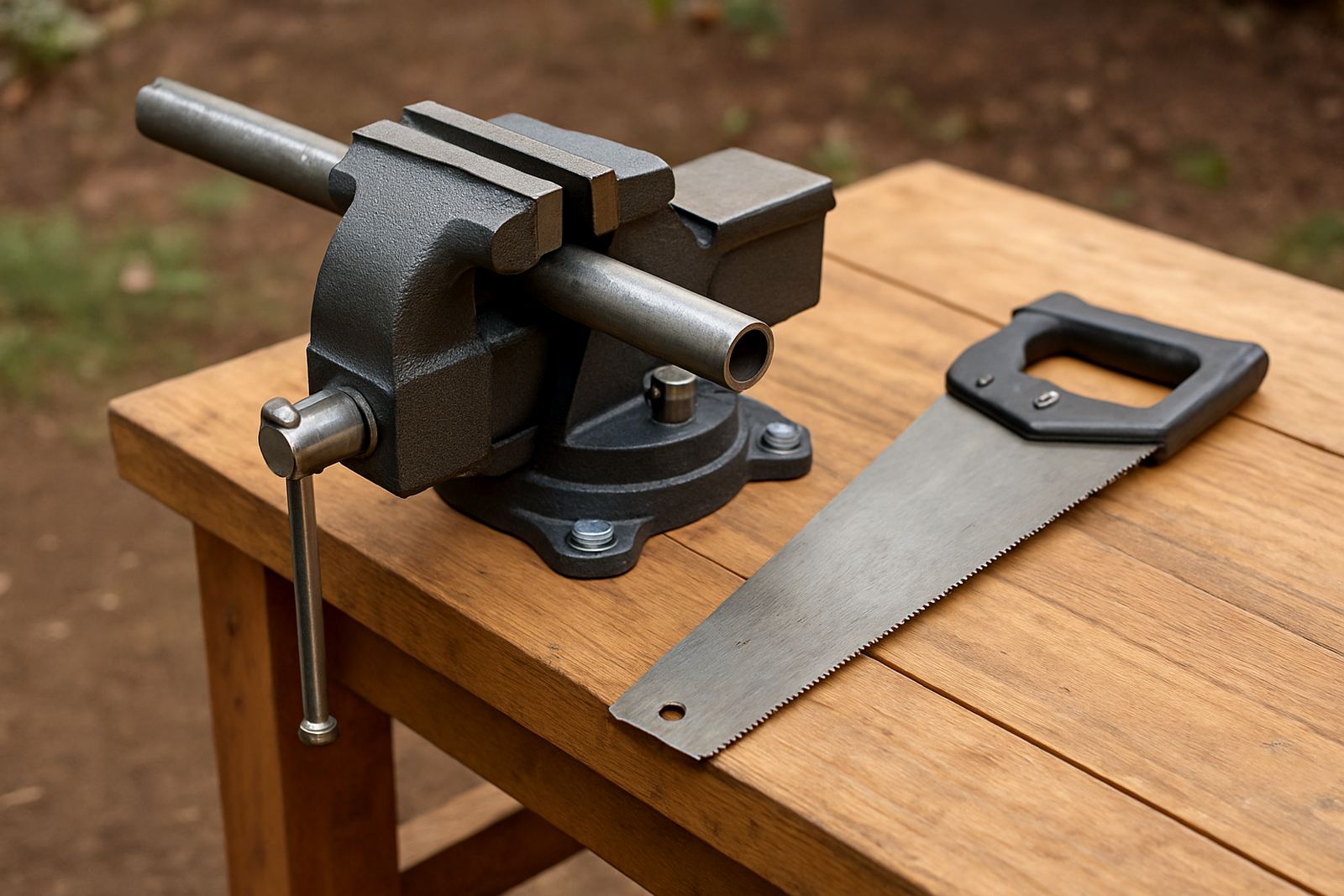
This type of vice mounts to a bench or steel frame and uses a screw mechanism to open and close hardened jaws. It suits metalwork, light fabrication, maintenance jobs, fitting work and general repair tasks. For trade users in Pinetown, Westmead and New Germany, it is a sensible fit for a workshop that needs proper clamping without taking up floor space.
- Firm grip for cutting, filing and assembly
- Useful for light drilling and marking out
- Ideal for workshop benches, welding tables and mobile fit-out stations
- Good for both professional and DIY use
Size Options And Common Bench Vice Specs
Choosing the right bench vice starts with jaw width, throat depth and mounting style. A smaller vice is fine for general maintenance and light repairs, while a larger model gives more clamping area for steel sections, pipe work and heavier assemblies. The bench must also be strong enough to take the load, especially where the vice is used hard every day.
Most workshops look for a jaw opening that matches the size of the work they handle most often. If you are cutting flat bar, holding angle iron or tightening parts for filing, a vice with smooth, parallel jaws and a strong swivel base can make the job easier. For coastal areas like Durban North and Umhlanga, it is worth checking the finish so the vice holds up better in humid conditions.
- Typical jaw widths: 100 mm, 125 mm, 150 mm
- Common jaw opening range: about 100 mm to 200 mm depending on size
- Mounting: fixed base or swivel base
- Jaw type: plain jaws, replaceable jaws or pipe-grip section on some models
- Finish: painted, coated or treated metal for workshop use
If you are stocking a new workshop, matching vice size to the bench height and the jobs you do most often is worth the extra thought.
Where A Bench Vice Fits Best
A bench vice works well in general engineering shops, light fabrication yards, automotive workshops, maintenance stores and school or training workshops. It also suits DIY users who need a proper clamping point for home repairs. In smaller premises, one well-placed vice can do a lot of work if the bench layout is sensible.
For trade workshops in Hillcrest, Pinetown and Durban, bench space is often limited so it helps to place the vice at the end of a sturdy bench, away from walkways and machine feed areas. That gives the operator space to turn handles and work safely around longer material. It is also useful when load-shedding disrupts powered equipment, because many hand tool jobs can carry on if the vice is already fitted and ready.
- General repair and maintenance benches
- Fabrication and fitting stations
- Training rooms and apprentice areas
- Home garages with regular repair work
Installation And What It Needs To Work Properly
A bench vice needs a solid base. Bolt it to a heavy-duty bench top or a steel frame that will not flex when pressure is applied. Thin timber tops or light utility tables may move too much and reduce control. Fit it close enough to the edge of the bench so longer items clear the surface, but not so far out that the mounting becomes weak.
No power connection or gas supply is needed. That makes it a straightforward workshop fitting, especially where you want a reliable clamping point without adding to your electrical load. The main requirement is proper fixing bolts, washers and enough access underneath the bench for tightening. If the vice is used in a shared area, check that the handle swing will not strike walls, shelves or other equipment.
- No electricity required
- No gas required
- Needs a strong bench or steel frame
- Mount with suitable bolts and washers
- Allow enough clearance for handle movement
For new workshop setups, Jameson Tools can help with tool kit planning and workshop setup advice so the vice ends up in the right position from day one.
Care, Lubrication And Long-Term Use
Bench vices need very little attention, but a small amount of care keeps them working smoothly. Wipe down the jaws and screw thread after use, especially if you have been cutting metal, handling oily parts or working near grinding dust. A light application of lubricant on the screw and moving points helps prevent stiffness and wear. In coastal areas a quick clean matters even more because humidity can lead to surface rust if tools are left dirty.
If the jaws become worn, damaged or clogged with metal filings, replace or clean them before the grip gets poor. Check mounting bolts from time to time as vibration and repeated heavy use can loosen them. Do not use the vice as a hammering anvil unless it is designed for that kind of abuse, and avoid over-tightening on small delicate parts.
- Clean jaws and screw threads regularly
- Lubricate moving parts lightly
- Check for loose mounting bolts
- Keep the vice dry after use
- Replace worn jaws when grip drops
What To Confirm Before You Order
Before placing an order, check the jaw width, maximum opening, mounting hole pattern and overall size against your bench. You should also think about the type of work you do most often. A vice for light assembly is not the same as one used daily for steel section, pipe work or repeated clamping. If you are building a starter workshop in Pinetown or setting up a trade bay elsewhere in South Africa, the right vice can prevent lots of small frustrations later.
It also helps to check whether you need a swivel base, replaceable jaws or a pipe-grip feature. For workshops managing stock carefully, our team can assist with stock list standardising, replacement matching and consumables replenishment so the vice choice fits the rest of the tool range. Delivery is coordinated nationwide by courier from Durban, and our team can advise on trade account support where needed.
- Jaw width and jaw opening
- Bench thickness and mounting position
- Swivel or fixed base preference
- Work type: metal, wood, maintenance or general repair
- Need for pipe grip or replaceable jaws
If you need support selecting the right vice for a new workshop or a seasonal refresh, Jameson Tools can help keep the order practical and properly matched to the job.
Key facts
| Product type | Bench vice for workshop clamping and holding |
|---|---|
| Jaw widths | Common options: 100 mm, 125 mm, 150 mm |
| Jaw opening | Varies by size, typically about 100 mm to 200 mm |
| Mounting | Bolt-on bench mounting, fixed or swivel base depending on model |
| Power or gas | None required |
| Use case | Cutting, filing, drilling support, assembly and general repair |