What a Combination Square Does In The Workshop
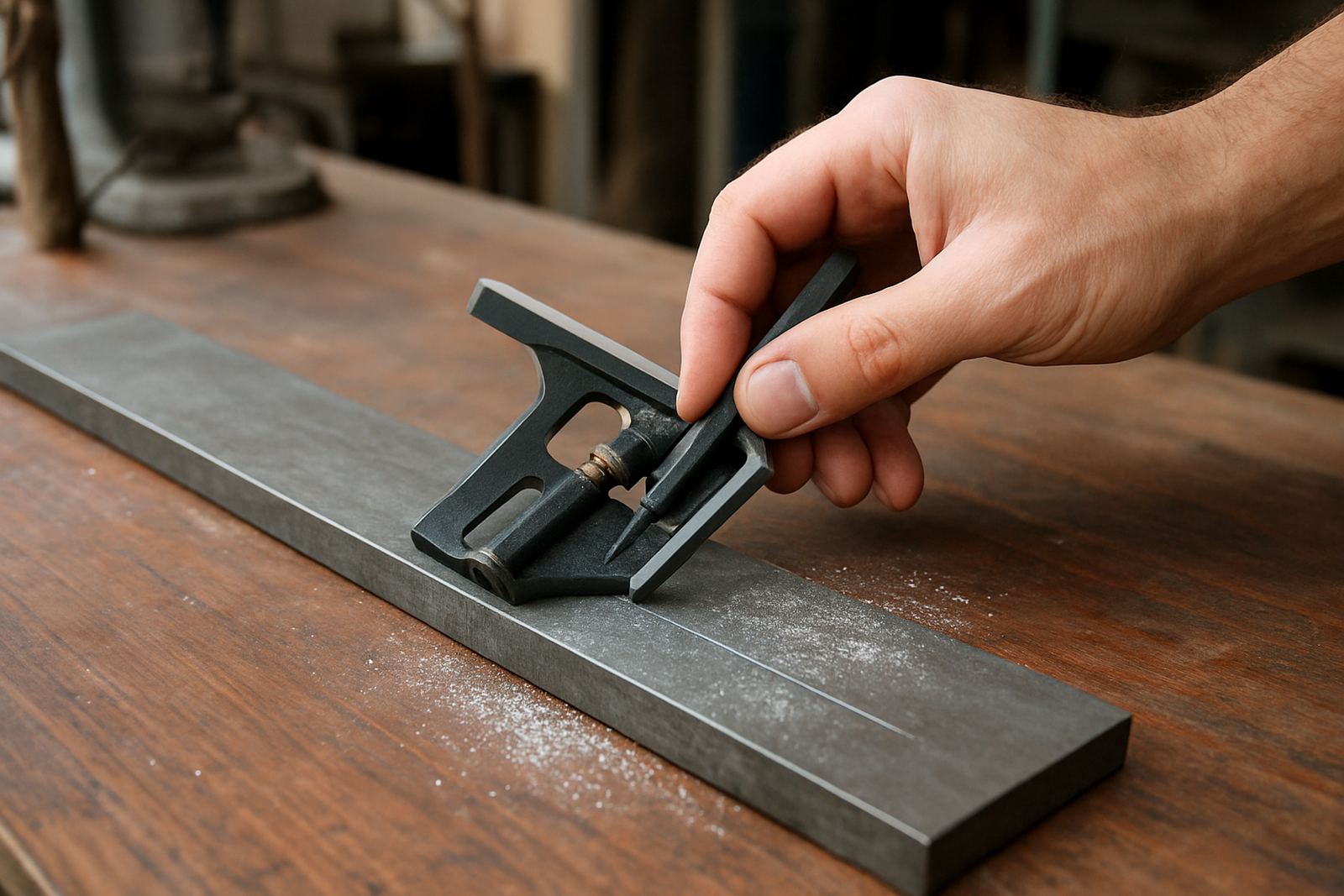
A combination square combines a steel rule with a sliding head so you can mark, check and measure from one tool. It is used for 90 degree checks, 45 degree lines, depth marking, and finding the centre of round stock when you are laying out cuts or fixing a frame. On small jobs it saves time, and on repeat work it helps keep your measurements consistent.
In a trade workshop it is handy for cabinet work, metal fabrication, maintenance teams, and general DIY fitting. If you are squaring off a timber edge in Hillcrest or checking a bracket in Westmead, the same tool handles both. You do not need power, gas, or any setup, just a clean rule and a solid reference edge.
Sizes And Options To Match The Job
Combination squares are usually chosen by rule length and head style. Common sizes include 150 mm, 300 mm, and 600 mm rules, with 300 mm being the most practical all round option for most workshops. Smaller units are easier to carry in a pouch, while longer rules help when you are marking wider panels or checking larger assemblies.
- 150 mm rule for compact tool bags and light marking
- 300 mm rule for general trade and workshop use
- 600 mm rule for larger layout work and wider stock
- Metric graduations for local workshop use
- Steel rule with sliding head for angle and depth checks
Some models include a scriber, spirit level or centre-finding marks. If you are building out a starter kit, it is worth choosing the version that matches the kind of work you do most often not just the lowest price.
Where It Suits Trade And DIY Work
This tool suits carpentry, metalwork, maintenance, and installation jobs where accurate marking matters. It is useful for setting shelf brackets, checking cut lines, marking mitres, and confirming whether a surface or corner has shifted. In humid coastal areas like Durban North and Umhlanga, it is also useful to keep one square for the main bench and another in the field kit so you are not always moving tools around.
For DIY users it is a good first buy because it covers several tasks in one item. If you are setting out a garage shelf, fitting skirting, or checking a gate repair, the square helps you avoid rework. On job sites with load-shedding and stop start work, having manual marking tools ready means the job can continue without waiting on powered equipment.
- Carpentry and cabinet fitting
- Metal fabrication and layout work
- Maintenance and repair teams
- General home workshop tasks
What To Check Before You Order
When ordering a combination square, check the rule length, whether the graduations are metric, and whether the head locks firmly without wobble. A loose head will cause marking errors, especially when you are repeating cuts or checking more than one corner. You should also check whether the blade is etched or stamped clearly enough to read in poor light.
If you are equipping a new workshop, it helps to confirm what else is needed at the same time. Many customers order the square with a tape measure, marking knife, straight edge, clamps, and safety gear so the whole bench is ready. If you need help matching it to your stock list, we can advise on the practical items that get used every day.
- Rule length needed for your work
- Metric markings and legibility
- Head locking action and accuracy
- Extras such as scriber or centre marks
- Carry case or pouch if it will travel to site
Care, Storage And Servicing
A combination square does not need servicing in the usual sense, but it does need care. Wipe the rule clean after use, especially after working near plaster dust, cutting fluid, glue or damp timber. In coastal areas a light oil wipe on the steel can help reduce surface rust, just be careful not to leave it slippery when you are marking out.
Store it flat in a drawer, tool roll, or pouch where the rule will not get bent. Do not drop the head onto concrete floors if you can avoid it, because that can affect accuracy. If the square starts reading out, check it against a known straight edge and a machinist reference before putting it back into daily use. Small knocks can throw it off more than people expect.
Supplied From Pinetown With Practical Support
Jameson Tools supplies combination squares from Pinetown, Durban with courier delivery across South Africa. That works well for trade teams in New Germany, Westmead, Hillcrest, Durban North and Umhlanga, as well as customers ordering from further inland. If you are setting up a new workshop or replacing worn layout tools, we can help with kit planning and starter bundle selection.
We also support trade account buyers, consumables replenishment, and replacement matching when an older tool needs to be swapped for a similar model. For workshops that train junior staff, the square is a useful teaching tool because it shows accuracy in a very direct way. That makes it easier to standardise how marks are taken from bench to job site.
- Nationwide courier delivery
- Workshop setup advice
- Starter kit bundling
- On-site tool inductions
- Stock list standardising
Key facts
| Product type | Combination square for marking and checking angles |
|---|---|
| Rule length options | 150 mm, 300 mm, 600 mm |
| Measurement system | Metric |
| Primary uses | 90 degree checks, 45 degree marking, depth and centre layout |
| Material | Steel rule with sliding square head |
| Power or gas needed | None |