Why Coastal Air Works Against Metal Tools
Humidity is part of daily life in Pinetown, Westmead and right through to Durban North. Even when tools are not used in rain, the moisture in the air can settle on steel surfaces, especially in a closed cupboard, a packed toolbox or a back room with little ventilation. If a spanner goes back into storage with sweat, cutting fluid or dust still on it, corrosion starts faster than many tradespeople expect.
Salt in the air adds another problem. It does not mean every tool will rust overnight, but it does mean you need cleaner storage habits than you might use inland. A workshop in Hillcrest may have less salt exposure than one near the coast, but both still need dry storage after a long day. The rule is simple: clean first, dry fully, then pack away.
Clean Tools Before They Go Back on the Rack
Most rust problems begin with small leftovers. Metal filings, gypsum dust, concrete powder, cutting oil and hand sweat all hold moisture against the surface. Wipe tools down before storing them, especially after work in the yard, on site or near open doors where dust blows in. For power-tool accessories and drill bits, a dry cloth is often enough, but oily residue may need a degreasing wipe before storage.
- Use a clean, dry rag after every shift
- Remove mud, cement dust and sawdust before it hardens
- Dry handles, joints and moving parts as well as the metal face
- Check sockets, pliers and blades for hidden moisture in the pivots
If a tool is already showing light surface rust, deal with it immediately. A fine abrasive pad or a suitable hand polish can remove early rust before it spreads. Leaving it for later usually means more labour and sometimes permanent pitting, which affects fit and finish.
Store Metal Where Air Can Move
Storage matters as much as cleaning. A sealed box in a hot, damp storeroom can trap moisture inside, and that is where tools suffer. If your workshop has a cupboard under a bench or a mobile cabinet in a garage, make sure it is not pressed tight against a wall that sweats at night. Leave a little air space behind the unit. In older premises around Pinetown industrial areas, that small gap helps more than people think.
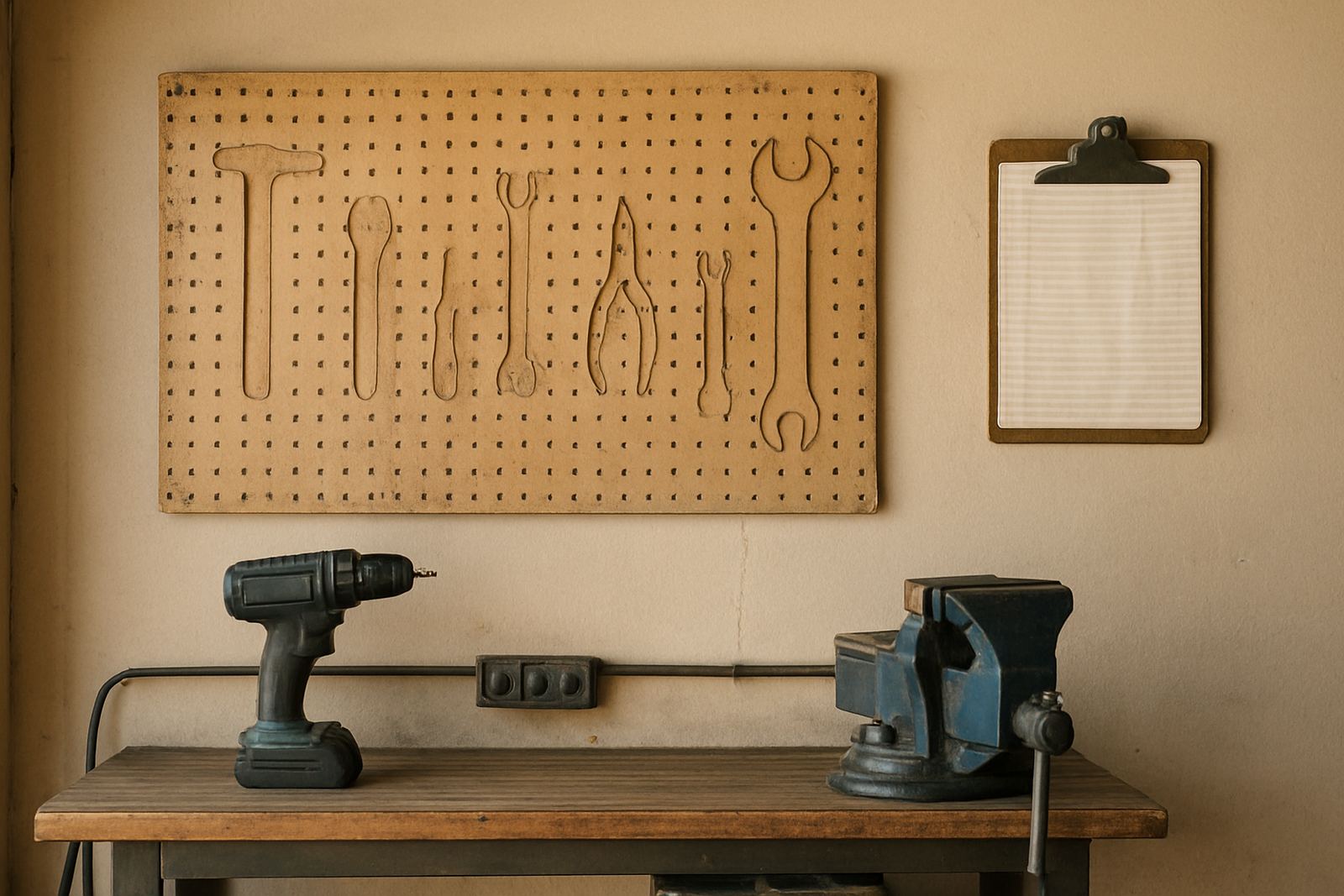
For tools used daily, the aim is practical protection rather than perfect conditions. Use drawers, trays or racks that keep steel from touching wet timber or damp cloth. Hanging tools on a wall panel can help because air moves around them. In a coastal workshop, a small dehumidifier or moisture absorber can also make a difference, especially if the room stays shut over weekends.
- Do not store tools in bags that stay closed for days
- Keep consumables and bare metal separate where possible
- Check for leaks above shelves, roofs and windows
- Rotate stored stock so old items are inspected first
Use Protective Coatings the Right Way
A light protective coating helps, but only when applied to clean, dry metal. A thin film on spanners, sockets, chisels and uncoated bits can slow moisture from reaching the surface. The coating should not be thick enough to attract dust or gum up a moving part. For precision tools, wipe off any excess before use so you do not transfer grease to the job.
This is where workshop habits save time. If one person sprays tools heavily and another returns them dirty, the cupboard becomes a sticky mix of dust and oil. Keep the coating light and consistent. In a busy shop in New Germany or Westmead, make rust protection part of the end-of-day close down, not a once-a-month clean-up.
- Apply only to dry, clean metal
- Wipe off excess so the tool does not attract grit
- Recheck tools after long storage or after a humid weekend
- Keep coated items away from cutting discs and sanding consumables
Protect Drill Bits, Blades and Small Accessories
Small accessories rust quickly because they are often left in mixed tubs, exposed to hand moisture and forgotten after a rush job. Drill bits, saw blades, countersinks and router cutters need proper sorting so they are not rubbing against one another. A loose pile in a toolbox can chip the edges and hold damp air between the pieces.
For these items, use labelled cases or trays and dry them before returning them to storage. It is worth checking the packaging too, because cardboard can hold moisture after a wet day. If a batch of bits is used on a site in Umhlanga or near the beachfront, wipe them down before the courier run back to the workshop. That small habit stops surface rust from setting in while the van is still moving.
Build a Simple End-of-Day Rust Check
A rust check does not need to slow the whole team down. It should take a few minutes and become part of the close-up routine. The person packing away should look for damp cloths, wet floors, open windows in a storm and tools left on benches. If load-shedding affects the workshop and fans stop running, humidity can rise quickly, so extra attention is needed after a hot afternoon.
Use a short checklist so nothing gets missed:
- Wipe every used tool before it leaves the bench
- Dry any tool that touched water, solvent or coolant
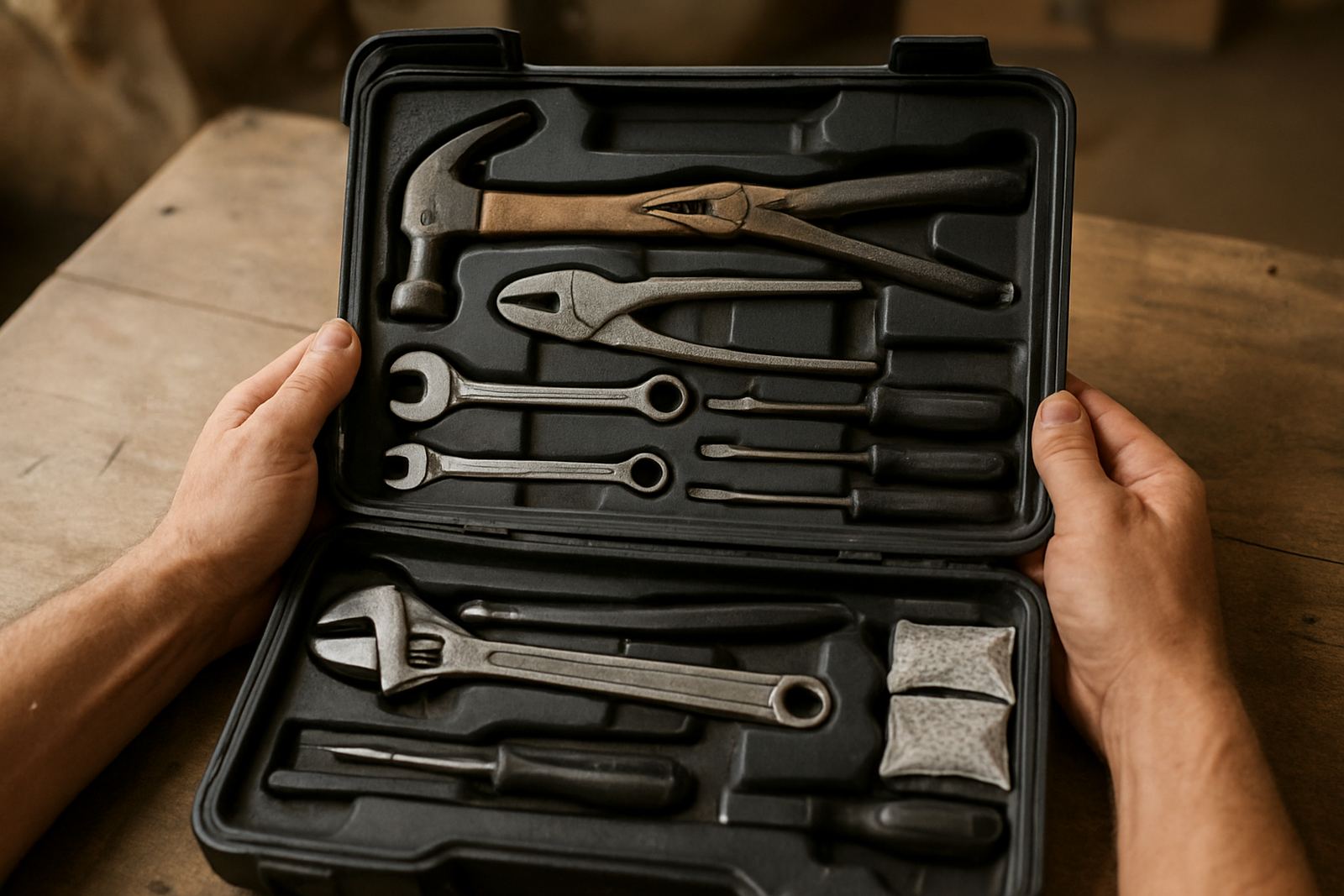
- Return small items to cases or labelled trays
- Lock up in a dry area, not beside an open roller door
- Inspect older stock weekly for early rust or sticking joints
A small local example helps. A repair shop in Pinetown that stores hand tools in a closed metal cabinet near a washing area will usually see rust far sooner than a shop that keeps the same tools on open racks in a dry room. The difference is not expensive equipment, it is routine.
When It Is Time to Replace or Rework a Tool
Not every rust mark means a tool must be scrapped, but some damage does call for replacement. If a cutting edge has pitting, a socket no longer grips properly, or a moving part has started to seize, the cost of keeping it may be higher than replacing it. Tools used daily on trade work need to be trusted, otherwise the whole job slows down.
That is why many workshops keep a replacement list and standardise what they buy. It makes it easier to match worn items with the right substitutes and avoid gaps in the kit. For businesses setting up in Durban, Pinetown or Hillcrest, a clear stock list also helps when ordering by courier and when planning seasonal refreshes before the wetter months.