Start With the Job, Not the Tool Rack
The first mistake in many workshops is reaching for the nearest pliers and making it work. That might get the job done once, but it usually leaves marks on fittings, strains your hand and wears out the tool faster than it should.
Think about what the task needs. Do you need to grip a round pipe, cut copper wire, hold a nut in place, or clamp two parts together while you tighten a fastener? Each of those jobs asks something different from the tool. In a Pinetown workshop, that matters when you are moving between electrical work, light fabrication and site repairs in the same morning.
For Durban conditions, it also pays to think about storage. Coastal humidity can rust bare steel if tools are left in an open tray after a long shift. A simple wipe down and dry storage helps, especially when load-shedding interrupts the clean-up routine.
Gripping Pliers for Holding, Turning and Pulling
Grip-focused pliers are the everyday workhorses. They should bite firmly without slipping, and the joint must open and close smoothly. If the pivot is loose, the jaws wobble. If it is too tight, your hand does more work than the tool.
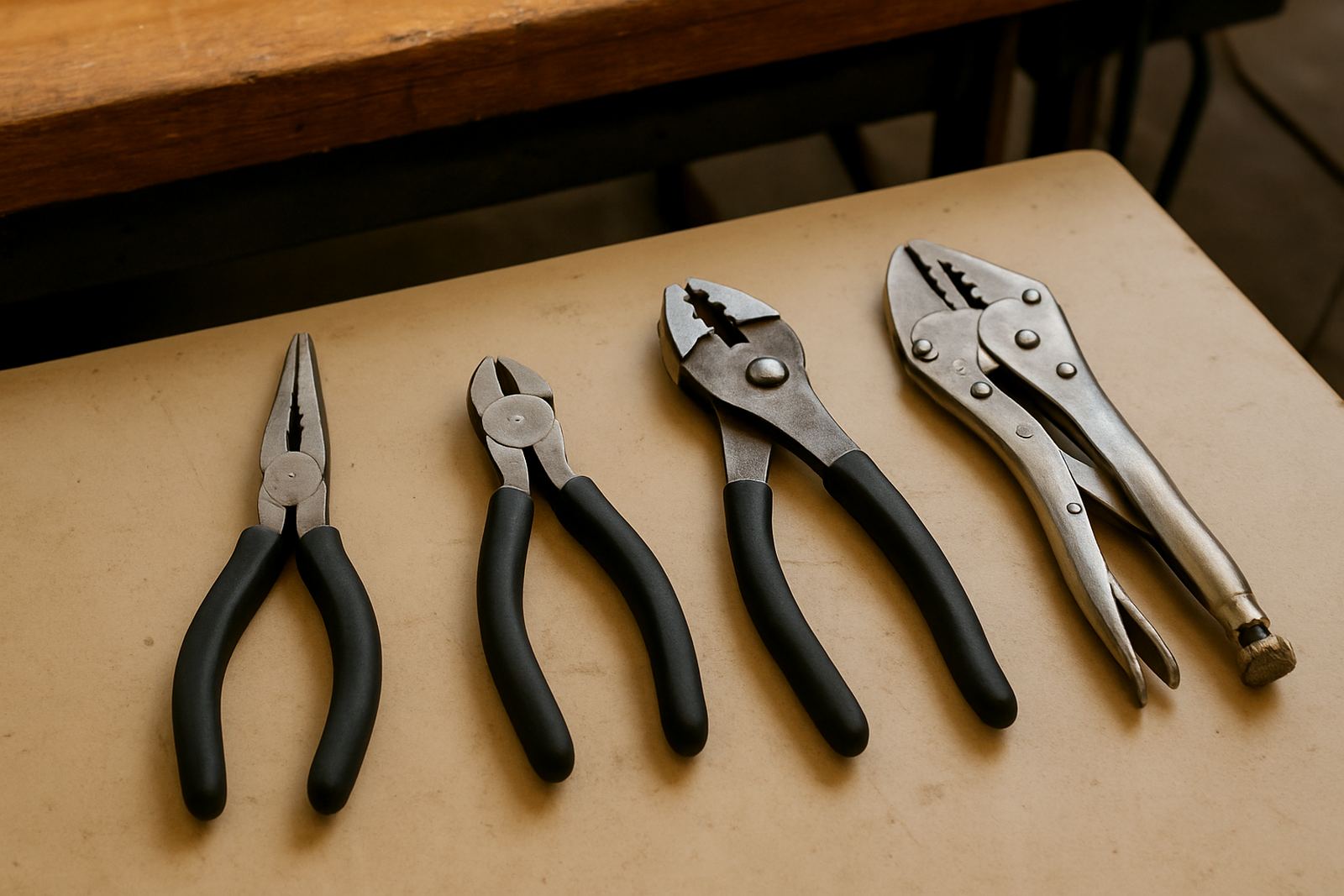
Needle-nose pliers are useful where space is tight, such as control boxes, automotive panels or small appliance repairs. Linesman pliers are better when you need a stronger hold and a flatter gripping face. Long-nose versions help when you have to reach behind a bracket or pull a clip from a tight spot.
- Choose a fine tip for small terminals and wire placement
- Choose a broader jaw for better grip on flat or round parts
- Look for spring action if you repeat the same movement all day
- Check handle grip size if you wear gloves for site work
Cutting Pliers Need Clean Edges, Not Force
Cutting pliers should cut, not crush. That sounds obvious, but many people use side cutters on hard wire, pins or cable ties that are well beyond what the cutter was made for. The edge then chips or rolls over, and after that every cut becomes a struggle.
Use flush cutters for neat cable ends, diagonal cutters for general wire work, and end-cutting pliers where you want to cut close to a surface. For electrical and workshop use, sharp edges matter because they reduce fraying and keep bundles neat. If you are stripping or trimming near a finished panel, a cleaner cut also means less rework.
In Westmead and New Germany, where many businesses run mixed trade jobs from one bay, a good cutting plier often does more than one task. Still, it must suit the material. Hard spring wire, fencing wire and small nails each need a different level of cutting strength.
Clamping Pliers Help When Both Hands Are Busy
Clamping pliers are often overlooked, but they save time during fitting, welding prep and temporary assembly. They hold parts steady while you align, measure or tack them in place. That is far safer than balancing a job with one hand and trying to fasten with the other.
Locking pliers are useful when you need constant pressure on a bolt head, pipe or bracket. They are also handy for holding hot material after welding or for freeing a stubborn fastener on a maintenance call. The trick is to clamp firmly without crushing the part. Too much force can deform thin sheet metal, especially on vehicle body repairs or light fabrication work.
- Use clamping pliers for temporary holds, not as a permanent fixing method
- Check the release action before buying, it should not jam under pressure
- Keep the jaws clean so they grip evenly
- Match jaw shape to the surface, smooth, curved or flat
Handle Material and Joint Quality Matter More Than People Think
Two pliers can look similar from the shelf but feel very different in use. The joint is one of the first things to check. A good joint has no side play, opens without sticking and closes with even pressure. Poor joints wear quickly, and that leads to sloppy work and hand fatigue.
Handle insulation is useful where you work around live circuits, but it is not a substitute for proper isolation and safe procedure. For general trade work, a comfortable grip is often more important than a fancy coating. If your team works long shifts in warm Durban weather, a handle that stays secure with light sweat makes a real difference.
Also think about size. Larger pliers give more leverage, but they can be awkward in tight spaces. Smaller ones are easier to carry in a pouch, yet may lack the reach you need on site. There is no single right size for every job.
Build a Small Set That Covers Most Workshop Jobs
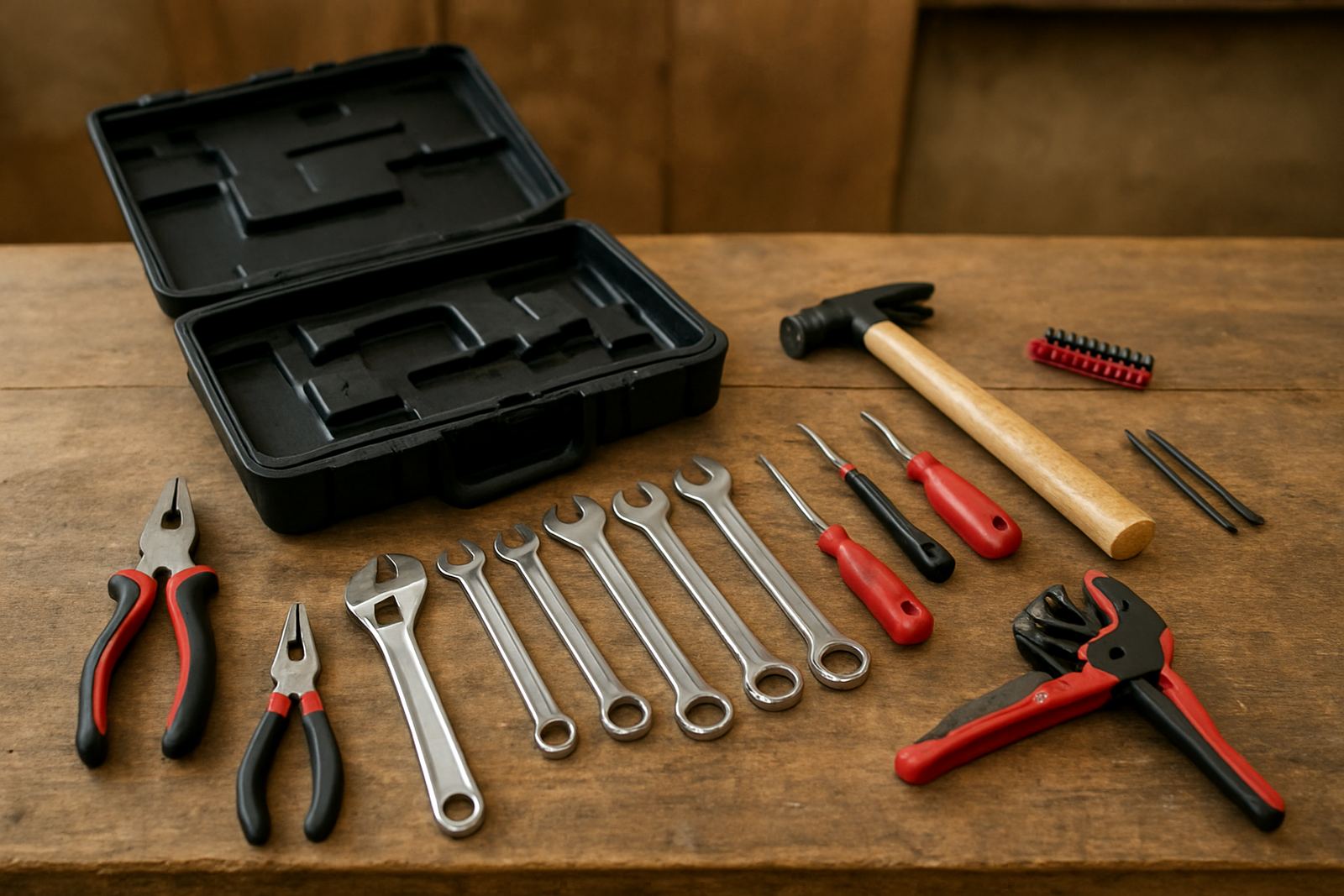
You do not need a drawer full of pliers to cover daily work. A practical starter set can handle most workshop tasks if each tool has a clear purpose. That is usually better than buying cheap duplicates and hoping one of them will fit the job.
A solid basic set for a South African trade workshop can include:
- Long-nose pliers for reach and placement
- Side cutters for cable and wire trimming
- Linesman pliers for grip and pull work
- Locking pliers for temporary clamping
- Flush cutters for neat finishing jobs
If you are setting up a bay in Pinetown or planning a seasonal refresh for a Durban North crew, standardising the set saves time. Everyone knows what is in the kit and what each item is for. That reduces tool loss and cuts down on call-backs caused by the wrong tool being used on the job.
Choose for the Work You Do in Durban, Not the Catalogue Picture
A coastal workshop in Umhlanga faces different conditions to a covered fabrication bay in Hillcrest or a mixed trade yard in Pinetown. Humidity, dust, salt air and power interruptions all affect how tools perform and how long they last. The best pliers are the ones that suit your actual work, storage and cleaning routine.
For trade teams and serious DIY users alike, the smart move is to match gripping, cutting and clamping pliers to the task instead of improvising. That means fewer damaged parts, less hand strain and better control when the work gets tight. It also means your kit earns its place in the box, rather than sitting there because it looked useful at the time.
When you are unsure, start with the task list for the week and choose from there. A proper selection makes a small workshop feel organised very quickly, and it pays off every day after that.