Farm shed brief from Verulam
The client was a mixed farming operation just outside Verulam, with equipment moving between wet field work, packing areas and a basic maintenance bay. Their shed had to handle routine servicing on compact tractors, pumps, sprayers and small implements, while staying simple enough for staff to keep organised during busy harvest periods.
The brief was clear: create a repair shed stock plan that covered lubrication, fasteners, hand tool use and quick seasonal fixes, without filling the space with items that would sit unused. They wanted fewer trips into town, better stock control and a setup that could cope with coastal humidity, dust and the stop start nature of farm maintenance.
- Location: Verulam, north of Durban
- Use case: machinery upkeep, seasonal repairs and servicing support
- Focus: quick access, stock discipline and repeatable replenishment
- Environment: humid conditions, dust and occasional load-shedding interruptions
Constraints on the site and working conditions
The biggest constraint was space. The shed had room for a bench, wall storage and one main staging area, but not a full workshop fit-out. That meant every shelf, bin and case had to earn its place. There was also no point specifying delicate items that would suffer in heat or moisture, so the storage plan had to favour sealed containers, labelled sections and easy visual checks.
Load-shedding was another issue. The team needed a setup that still worked when power was off, so the emphasis stayed on hand tools, manual lubrication gear and clear stock marking rather than anything dependent on charging cycles. We also had to keep the plan practical for staff who move between tasks quickly, because in a farm shed the person who returns the item is often not the one who needed it first.
- Limited floor area with one main bench line
- High humidity and airborne dust
- Power interruptions affecting charging and inspection lights
- Need for quick issue and return of shared tools
What we supplied for the repair shed
We built the supply list around everyday maintenance, not showy extras. The core hand tools covered tightening, cutting, holding and measurement tasks, while the consumables range focused on oiling, cleaning, sealing and fixing minor damage before it became a bigger job. We also put together starter packs for staff who needed a dependable first response kit on the shed floor.
Jameson Tools supported the project with tool kit planning, starter kit bundling and replenishment advice so the client would know what to reorder before a gap became a delay. We also matched replacement items where the existing tools were worn or had gone missing, which helped standardise what stayed in the shed and what moved out to the field.
- Hand tools for basic strip down and reassembly work
- Power-tool accessories for drilling, cutting and fastening jobs
- Lubricants, cleaners and workshop consumables
- Starter kits for staff assigned to seasonal maintenance rounds
- Replacement matching for commonly lost or damaged items
Layout and stock control on the ground
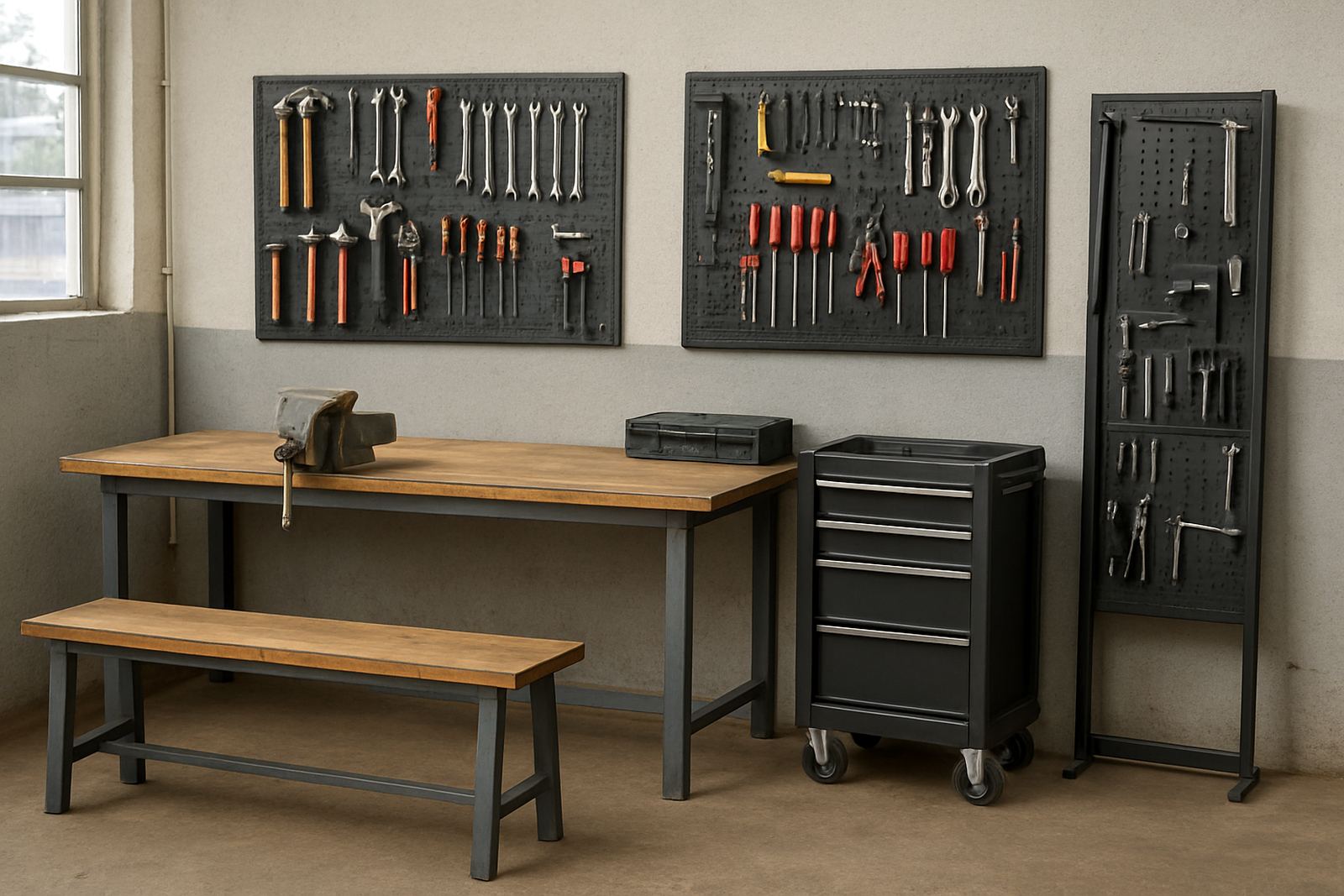
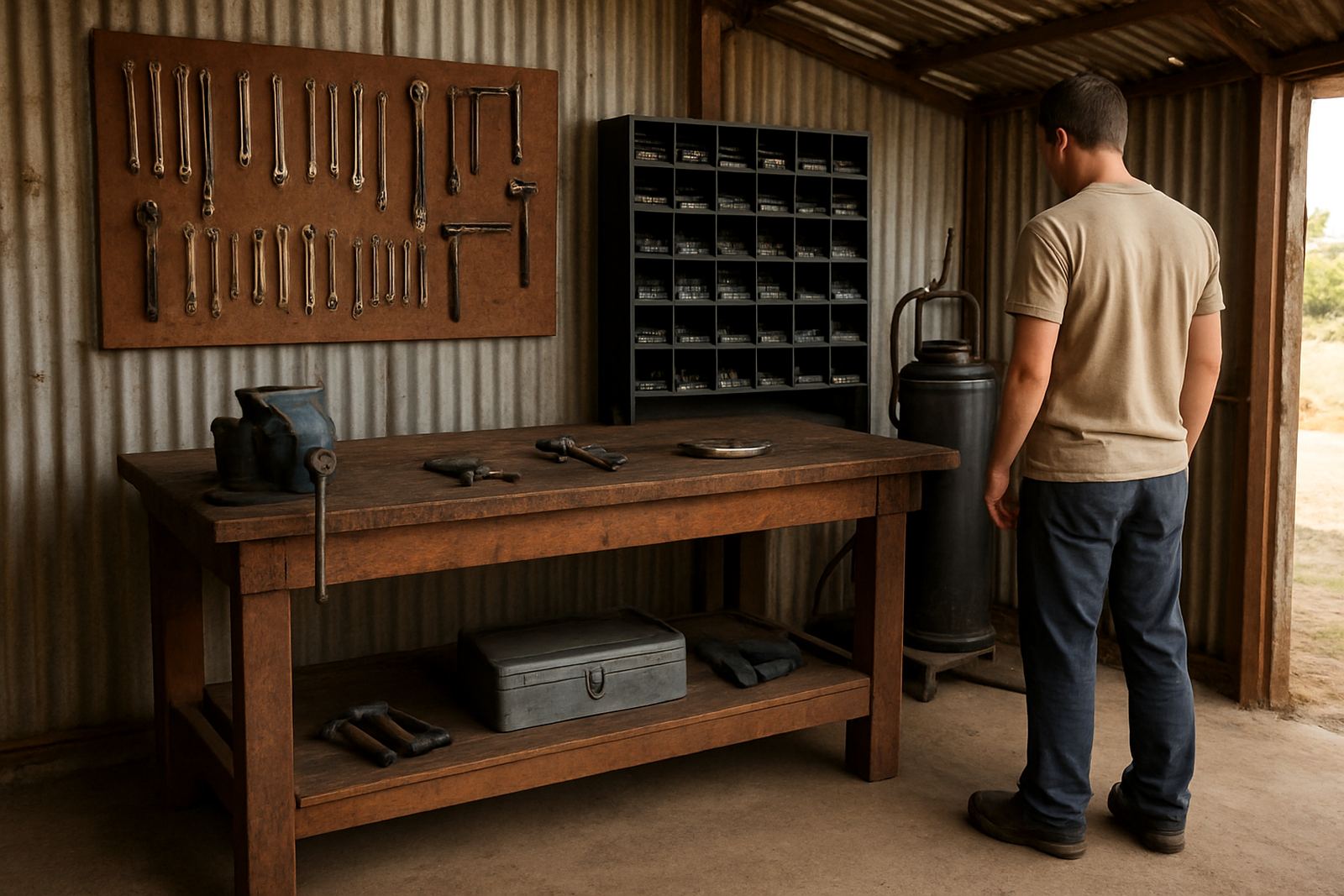
The shed layout was organised so the most-used items sat at waist height and the slower-moving stock stayed higher up or in sealed tubs. We standardised the stock list into practical groups, which made it easier for the farm manager to issue items and check what needed topping up. The result was less rummaging through mixed boxes and fewer repeated purchases of the same thing because nobody could find it.
Labels were kept simple and readable from arm’s length. We also set the stock around real usage patterns, with separate sections for lubrication, fixings, cutting accessories and general hand tool maintenance. That sort of arrangement matters on a working farm because the person in the shed may be coming in muddy, rushed and with one job to finish before the next machine goes back out.
- Wall and shelf grouping by task type
- Separate sealed storage for moisture-sensitive consumables
- Simple issue-and-return logic for shared tools
- Standard stock list for easier reordering
Timeline, delivery and coordination
The project ran over three weeks from the first call to handover. Week one covered the site brief, stock review and list standardising. Week two focused on supply matching, kit bundling and courier dispatch from our Durban side. Week three covered delivery coordination, unpacking guidance and a practical run-through of how the shed stock should be used and replenished.
Because the site needed items quickly, nationwide courier delivery was arranged on a staggered basis so the client could start with the most urgent stock first. That meant the shed could remain operational while the full order moved through. We kept communication direct and used the same contact line for follow-up orders, which made it easier to sort out any missing quantities or substitutions without delay.
- Week 1: brief, stock review and list standardising
- Week 2: supply matching and starter kit bundling
- Week 3: courier delivery, unpacking support and handover
- Delivery route coordinated from Pinetown, Durban
Results on maintenance days
Once the shed was running properly, the farm team had faster access to the items they used most often. Small jobs like lubrication, loose fittings, blade changes and hose checks could be handled in one stop instead of becoming a hunt through different storage points. That saved time during the week and helped reduce the amount of machinery left waiting for minor attention.
The bigger win was control. By keeping the stock list standardised, the manager could see what needed replenishment before the next busy spell, and the team became less dependent on emergency runs into town. In a coastal area like Verulam, that sort of discipline matters because humidity, dust and long working days can wear through stock faster than expected.
- Faster response to small repairs and upkeep
- Less lost time searching for common consumables
- Cleaner stock control and easier reordering
- Better readiness before seasonal pressure periods
What we would repeat for another farm shed
If we were doing this again for a similar site, we would keep the same approach: start with the jobs the shed must handle, trim the list to items that are used often, and build from there. A farm shed should not be overloaded with special tools that only get touched once a year. It should hold the basics, and hold them where people can get to them quickly.
We would also repeat the training support. A short induction on where items belong, how to log use, and when to replace key consumables makes a bigger difference than many people expect. For a working shed, practical guidance is as valuable as the equipment itself. It keeps the kit in use, and it keeps the next repair from turning into a delay.
- Start with actual maintenance tasks, not a long wish list
- Keep storage simple and visible
- Train the team on issue, return and replenishment
- Review the stock after the first busy season
Key facts
| Project type | Farm repair shed supply and stock planning |
|---|---|
| Town | Verulam, north of Durban |
| Timeline | 3 weeks from brief to handover |
| Primary use | Machinery upkeep, lubrication and quick seasonal fixes |
| Supply scope | Hand tools, accessories, consumables and starter kits |
| Delivery | Courier coordination from Pinetown, Durban to site |