The Brief From A Working Fleet Yard
The client was a transport and service operation in Isipingo that runs light commercial vehicles and support bakkies across Durban and the surrounding industrial areas. Their supervisors wanted one fixed point for tyre checks, clamp tightening, fluid top-ups and issue logging, instead of sending drivers from bay to bay for small jobs. The main ask was simple: keep the vehicles moving, keep the spares visible, and reduce the time lost to missing tools.
They also needed a setup that could cope with coastal humidity, dust from yard traffic and the usual load-shedding interruptions. Power had to be considered from day one, because the team could not rely on every task being done under full lighting. We were asked to recommend a corner that was practical, not fussy, and easy for the staff to use after a short handover.
Site Limits And Practical Constraints
The space was tight, with a narrow strip beside the main workshop wall and a high level of daily foot traffic. The floor was already marked by tyre movement, so anything loose or over-sized would become a trip risk. There was also pressure to keep the area clear for deliveries and after-hours parking, which meant the setup had to sit neatly against the wall and leave a clean working lane.
We planned around the conditions rather than pushing in a full workshop fitout. All storage had to be wall-based or freestanding and easy to lift for cleaning. We also had to allow for municipal fire and access rules, so nothing blocked exits, breaker access or the route used by the yard foreman. A small typo in the brief notes from site was actually helpful, because it reminded the team to keep the consumable labels large and plain.
- Space available: one corner bay of about 18 m²
- Working flow: 6 to 10 vehicle checks per shift
- Environment: coastal humidity, dust and mixed indoor-outdoor use
- Power risk: load-shedding periods required battery and manual fallbacks
What We Supplied And How We Set It Up
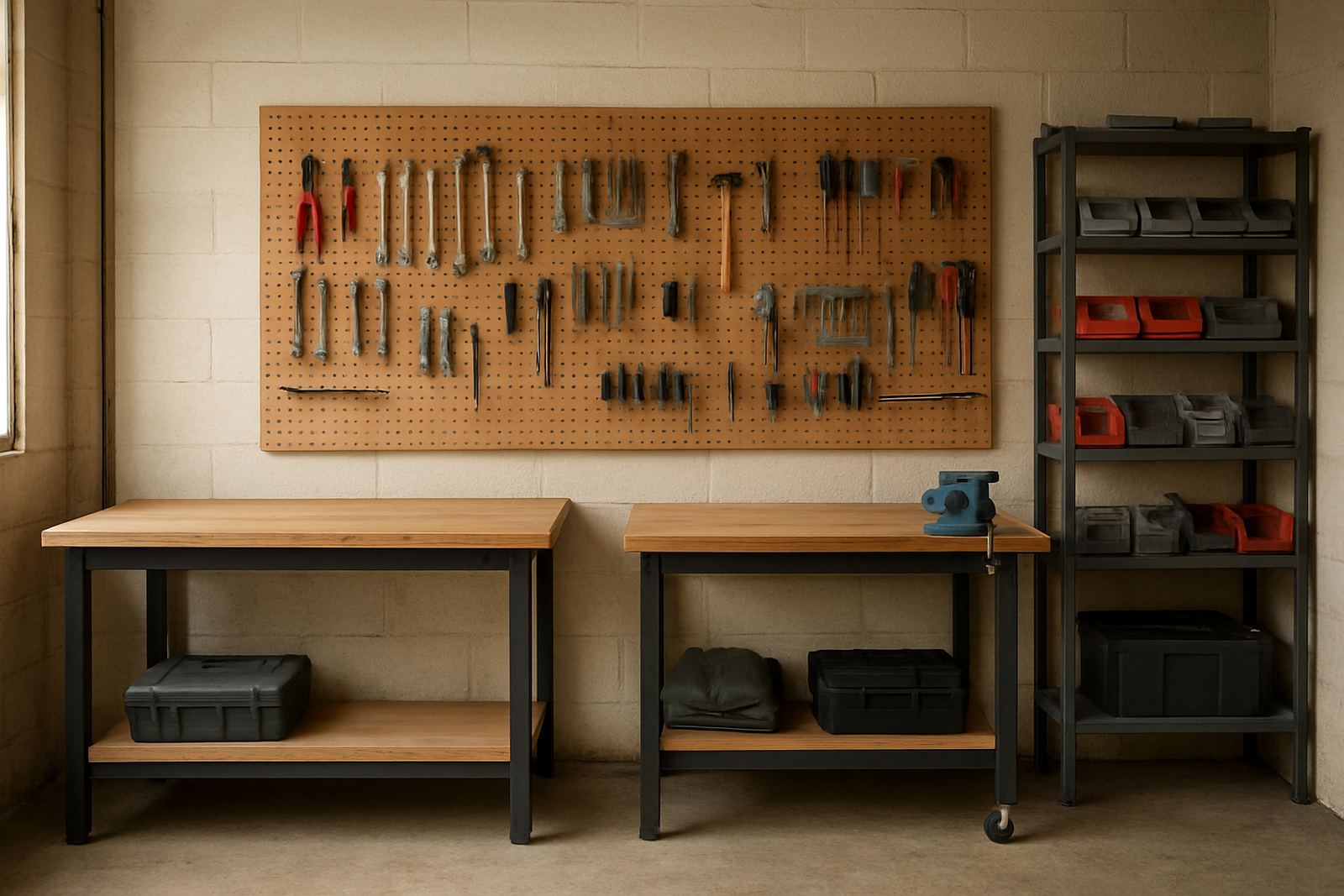
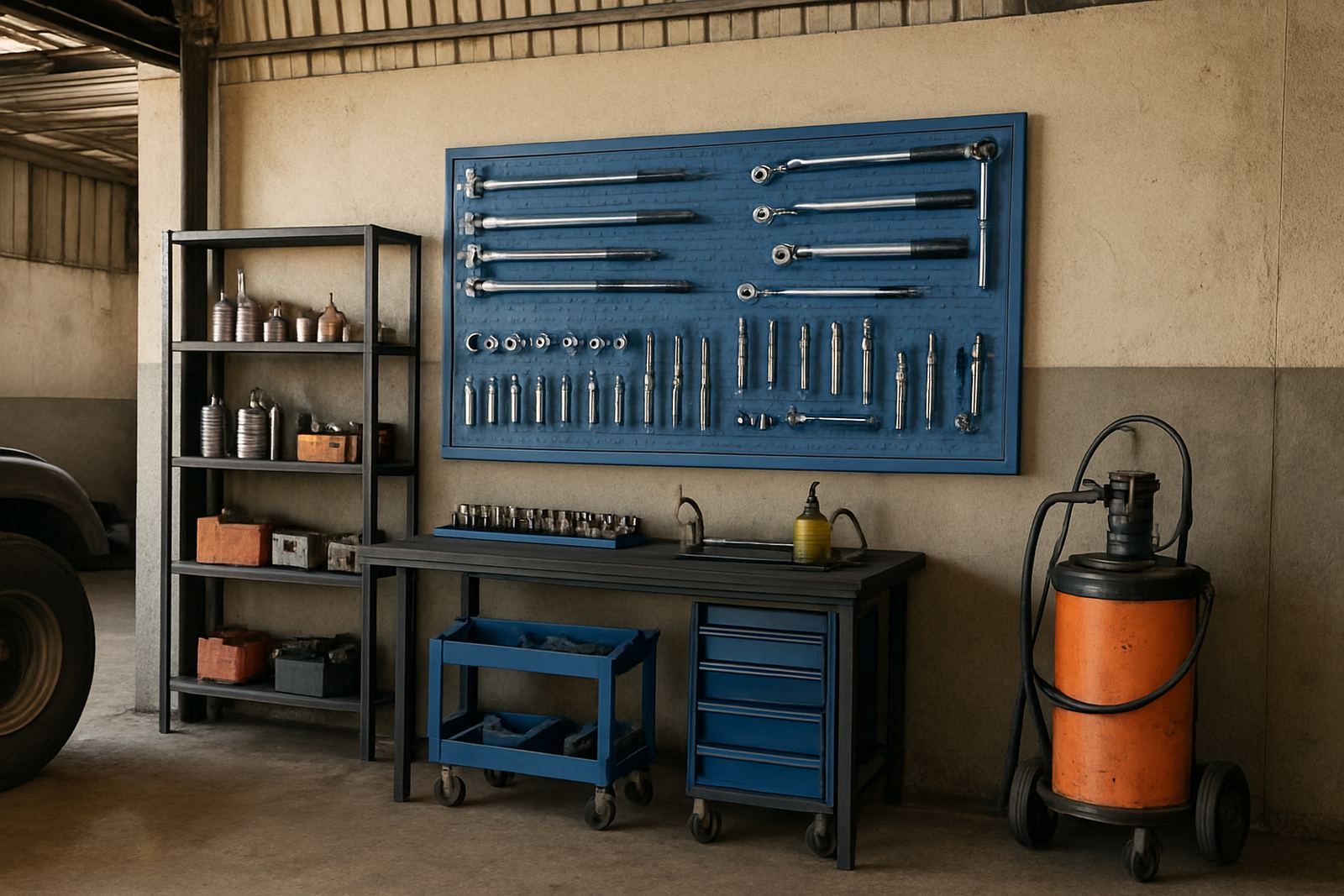
We built the corner around a starter-friendly fleet kit layout, with separate zones for inspection tools, tightening tools and consumables. The core supply included hand tools, torque-related accessories, marked containers for small parts, and a replenishment system for the fast-moving items that tend to disappear first in a fleet yard. We also provided stock list standardising so the team could keep the same part names and quantities on every reorder.
The layout was set up with clear reach distances and visible labelling. That helped the supervisors spot missing items fast and made the end-of-shift check easier. We included training on how to use the kit, how to record wear, and how to return tools to the correct position. The handover covered routine checks, replacement matching and a simple replenishment cycle so the corner would stay useful, not become another cluttered shelf.
- Heavy-duty hand tool assortment for routine fleet checks
- Power-tool accessories for light workshop use and fitment support
- Consumable bins for fast movers such as clips, fasteners and cleaning items
- Labelled storage for easy stock count and issue control
- Training session for supervisors and shift leaders
Timeline And Delivery In Weeks
The project ran over three weeks from the first site discussion to the final handover. Week one covered the walk-through, stock review and layout plan. Week two handled supply, sorting and bundling, plus final checks on the item list. Week three was used for delivery coordination, on-site induction and sign-off with the yard team. Because the site stayed live throughout, the work was staged so nobody lost a full day of operations.
The courier leg was coordinated to match the yard receiving times and avoid peak traffic into Isipingo. Once the equipment arrived, we checked each item against the agreed list and adjusted the consumable count before handover. That kept the process tight and avoided back-and-forth over missing pieces. The team appreciated having one clear point of contact instead of five people phoning about the same stock line.
Results After The First Operating Month
Within the first month, the client reported quicker morning checks and fewer delays when a vehicle needed a small fix before leaving the yard. The supervisors could see what was on hand at a glance, which reduced repeat buying and cut down on wasted time searching for tools. Consumables were easier to control, and the replacement matching process made it simpler to order the right item the first time.
The other win was discipline. With the stock list standardised, each shift used the same naming and count format, so handovers became cleaner. That made it easier to track losses and spot tools that were due for replacement. The corner now supports routine work instead of disrupting it, which is exactly what a fleet area in Durban needs.
- Shorter pre-departure checks
- Better visibility of consumables and small parts
- Less tool loss between shifts
- Cleaner handover between supervisors
What We Would Do Again For A Similar Site
We would use the same approach for any Isipingo, Pinetown or Westmead fleet yard that needs order without a full workshop rebuild. Start with the real daily tasks, then build the corner around those tasks, not around a long wish list. That keeps spend under control and gives the team a setup they will actually use.
For a similar site, we would again recommend a compact kit plan, clear consumable control and a short training handover. If the yard has regular after-hours work or power cuts, we would also keep battery-ready lighting and manual options in the plan. The best result comes from simple systems that are easy to keep going, even when the day gets busy and the weather is not helping.
Key facts
| Project type | Fleet service corner for routine checks and consumable control |
|---|---|
| Location | Isipingo, Durban |
| Timeline | 3 weeks from site walk-through to handover |
| Core supply | Hand tools, power-tool accessories, storage, consumable bins and starter kit bundling |
| Working area | About 18 m² corner bay |
| Support included | Tool Kit Planning, On-Site Tool Inductions, Stock List Standardising and Trade Account Support |