The brief from a Hillcrest trade workshop
The client was a small fabrication workshop in Hillcrest working on light structural jobs, repair work, and custom pieces for local builders and property owners. Their main problem was not a lack of skill, it was time lost hunting for clamps, checking measurements twice, and moving tools around a busy floor space that changed from job to job.
They wanted a compact fabrication cell that could keep the core work in one place: clamping, measuring, cut prep, layout checks, and finishing support. The team also asked for a practical stock plan so the same items could be reordered without guessing, which matters when a workshop is running during load-shedding or when a courier delay can throw a week out.
- Work area: one main cell with a bench line of about 4 metres
- Primary jobs: clamping, marking, cut prep, deburring, and assembly support
- Use pattern: daily trade work with occasional after-hours work
- Environment: inland Durban humidity with dust from grinding and cutting
What made the space tricky
The workshop was not a blank shell. It already had machines, offcut storage, gas cylinders, and a narrow path between the prep area and the exit. That meant the cell had to fit around the existing workflow instead of forcing a full rearrangement. We also had to keep the layout practical for two people at once, with enough space for one person to measure and mark while another handled clamps or brought material through.
Another issue was power stability. The client needed a layout that still made sense when the lights were off and the team was working with portable lighting and manual tools. We chose products and storage positions that were easy to identify by hand, with consumables grouped by task so the cell could keep moving even if the day was split into short working windows.
- Floor space had to stay clear for material movement and safety access
- Tools needed to be easy to reach without crossing the cut path
- Storage had to cope with moisture and general workshop dust
- High-use items needed simple stock control for fast replenishment
What we supplied and how it was arranged
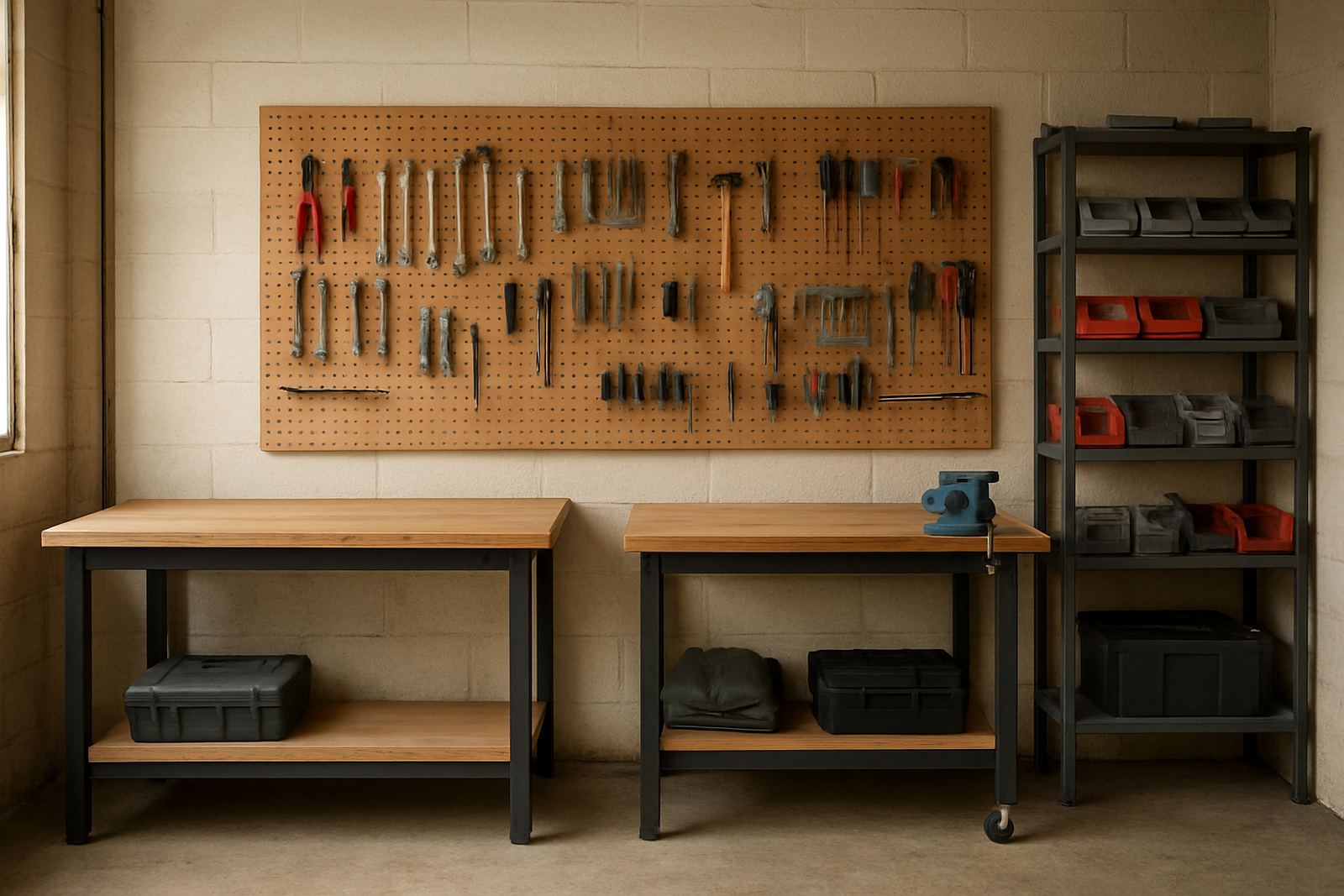
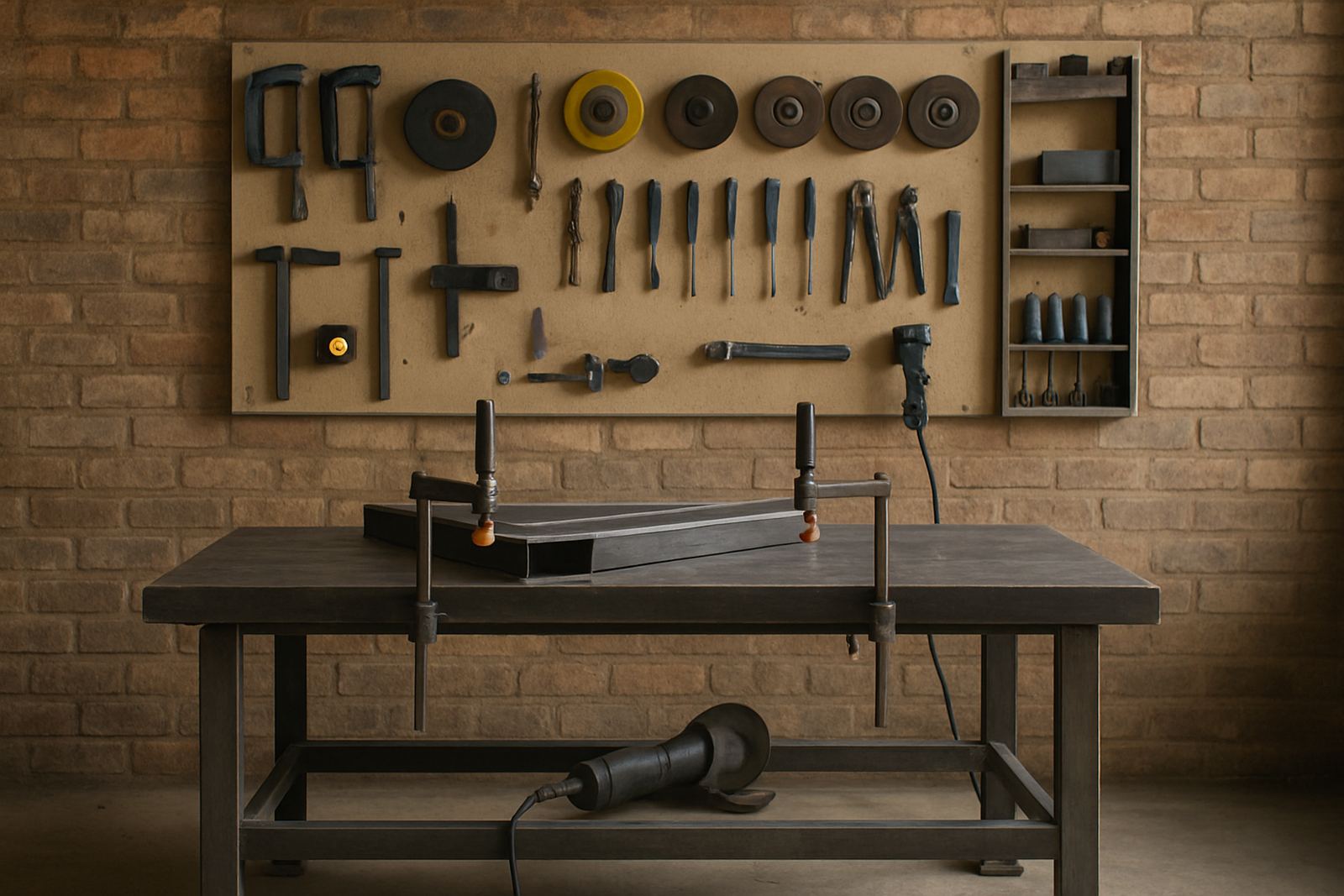
We put together a fabrication cell with hand tools, measuring equipment, clamps, layout consumables, and a starter bundle for cut prep and finishing support. The aim was not to overfill the area. It was to give the team the right kit in the right order, so the workflow followed the job rather than the other way round.
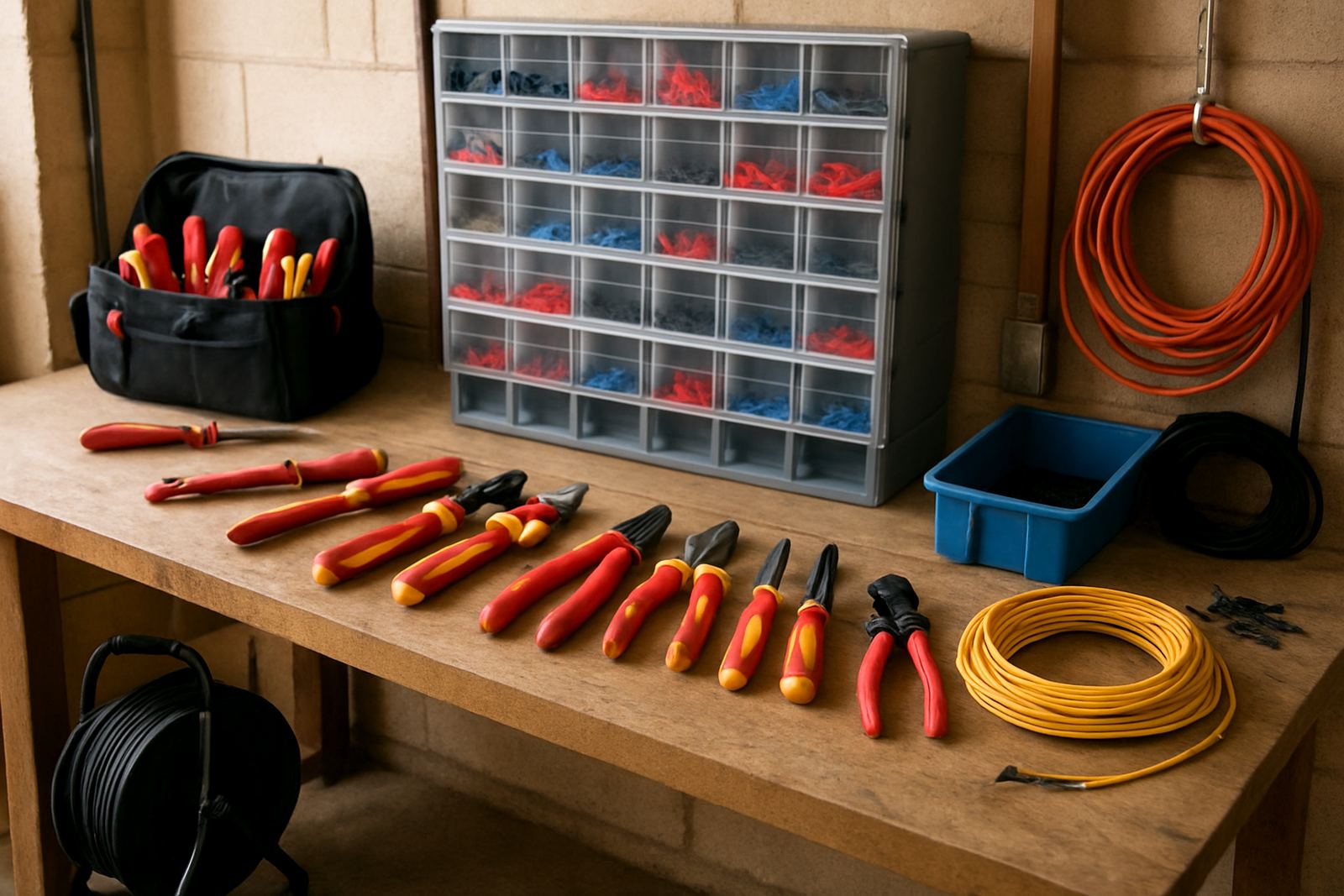
The cell included tape measures, steel rules, marking tools, straight edges, combination squares, spirit levels, quick-grip style clamps, locking pliers, deburring tools, files, scrapers, utility blades, and a set of common consumables for clean-up and finishing. We also added holder sets and container grouping for small parts. The measuring tools were grouped near the main bench so change overs stayed quick, and clamping gear was placed within arm’s reach of the assembly point.
- Measuring and layout set for repeat checks on short runs and one-off jobs
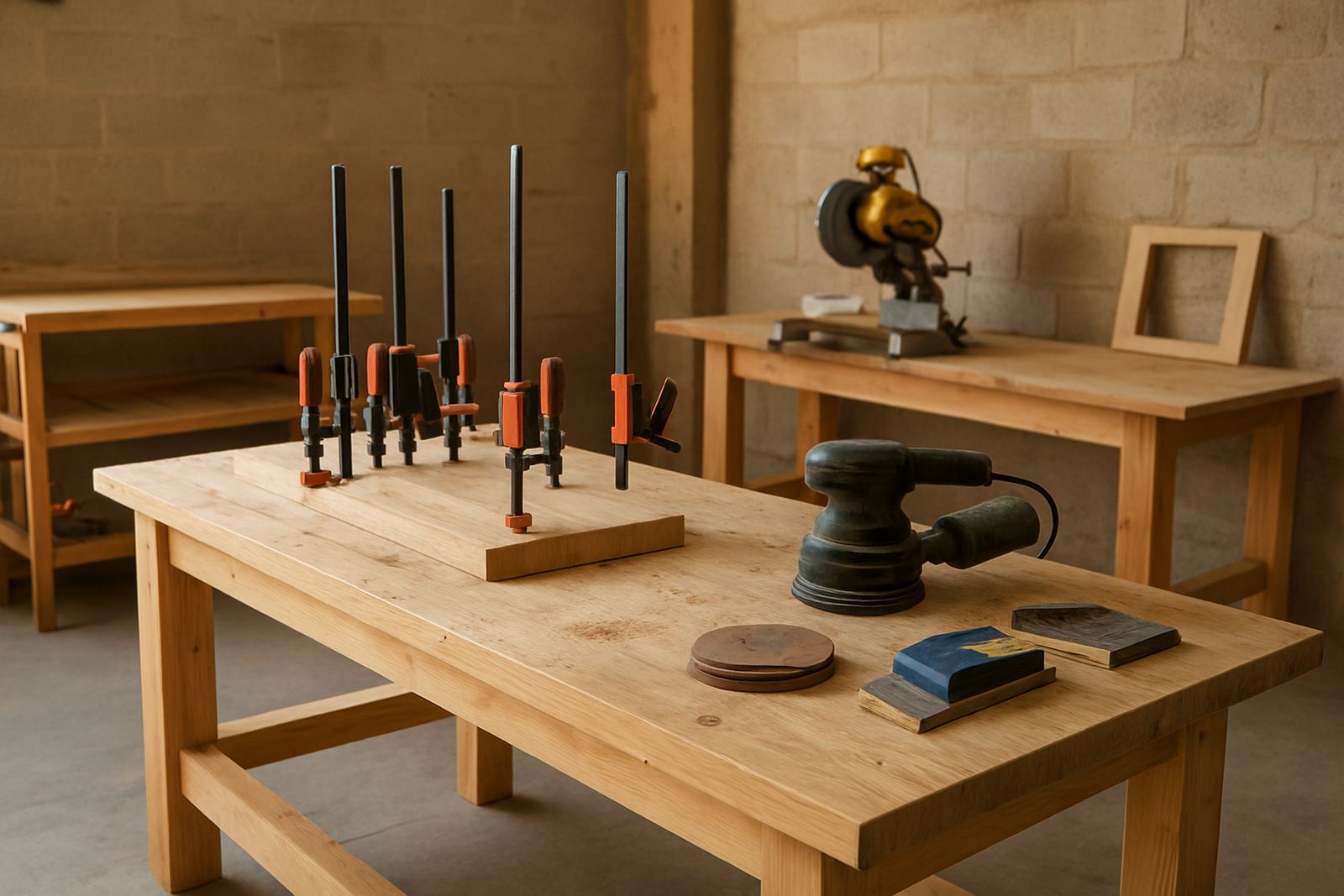
- Clamp mix for flat work, angle holding, and temporary fixing
- Cut prep and finishing items for edge clean-up and deburring
- Consumable packs arranged for easy stock count and replacement
Planning, training support, and handover
Because the team wanted more than a box of tools, we also handled tool kit planning and on-site tool induction. That meant showing the crew where each group belonged, how to reset the cell at the end of a job, and how to standardise the stock list so ordering stayed consistent. We kept the guidance practical and short, the sort of instruction a busy workshop can actually use.
We explained which items were daily use, which were spares, and which ones should be checked after every shift. This matters in a place like Hillcrest where a workshop may run between site visits, supplier runs, and customer collections. If people know exactly what belongs in the cell, it is easier to see what is missing before it becomes a delay.
- Tool kit planning for the main fabrication station
- On-site induction for the team lead and day shift users
- Stock list standardising for repeats and replenishment
- Trade account support so reorders could be managed faster
Timeline and delivery from Pinetown to Hillcrest
The project ran over three weeks from brief to handover. In week one we confirmed the working area, the common tasks, and the kit sizes needed for the available bench length. In week two we finalised the bundle, checked replacement items, and coordinated courier delivery from our Pinetown base. In week three we completed the handover, explained the cell layout, and confirmed the replenishment list with the client.
Courier delivery worked well because the Hillcrest site did not want long downtime or a full-day collection run. The equipment arrived in manageable batches, which helped the team slot the setup into normal work without shutting the shop for a full day. A quick turnaround also reduced the risk of items being left loose on the floor or mixed with old stock.
- Week 1: brief, site layout check, and usage list
- Week 2: bundling, stock matching, and courier coordination
- Week 3: delivery, induction, and final stock list sign-off
Results and what we would repeat
By the end of the project, the workshop had a cleaner workflow and less time wasted looking for the right tool. The cell made it easier to keep clamping and measurement together, which improved job prep and cut down on small errors that cause rework later. The client also had a clearer view of what needed replacing, so consumables and worn hand tools could be ordered before they ran out.
What worked especially well was the simple grouping of tools by task. It sounds basic, but it makes a real difference in a busy fabrication area. If we were doing the same project again, we would keep the same approach: short planning, clear stock lists, direct handover, and a replenishment plan that fits the way the workshop actually works. That kind of setup keeps the cell useful long after the first delivery.
- Faster access to clamps and measuring tools
- Less duplication across the work area
- Clearer replenishment list for future orders
- Better control during busy shifts and load-shedding windows
Key facts
| Project | Hillcrest Fab Cell |
|---|---|
| Client type | Small fabrication workshop |
| Town | Hillcrest, Durban |
| Timeline | 3 weeks |
| Cell size | Main bench line of about 4 metres |
| Supplied focus | Clamping, measuring, cut prep and finishing support |