What this locking pliers set is built to do
This set is made for gripping, holding and clamping metal parts that are hard to keep steady by hand. The jaws lock on to the workpiece and stay fixed until you release them, which helps when you are removing rounded bolts, holding flat bar for drilling, or clamping sections during repair work. In busy Durban workshops, that saves time when the job must keep moving even with load-shedding interruptions and a full bench.
The main advantage is control. Once the tool is set to the right opening, it stays clamped with consistent pressure, so you can work with both hands free. It is a practical tool for mechanics, fabricators, installers and DIY users who want one set for a range of fixing tasks.
- Locks onto irregular shapes and awkward edges
- Useful for clamping, holding and turning
- Reduces slipping on worn or rounded parts
- Handy for repair jobs in tight spaces
Common sizes and set options to expect
Locking pliers sets usually include more than one jaw size so you can move from small hardware to heavier sections without changing tools. Smaller pliers are better for electrical work, light automotive tasks and narrow spaces, while larger pliers suit pipe, angle, flat bar and larger fasteners. The right mix depends on the kind of work you do most often.
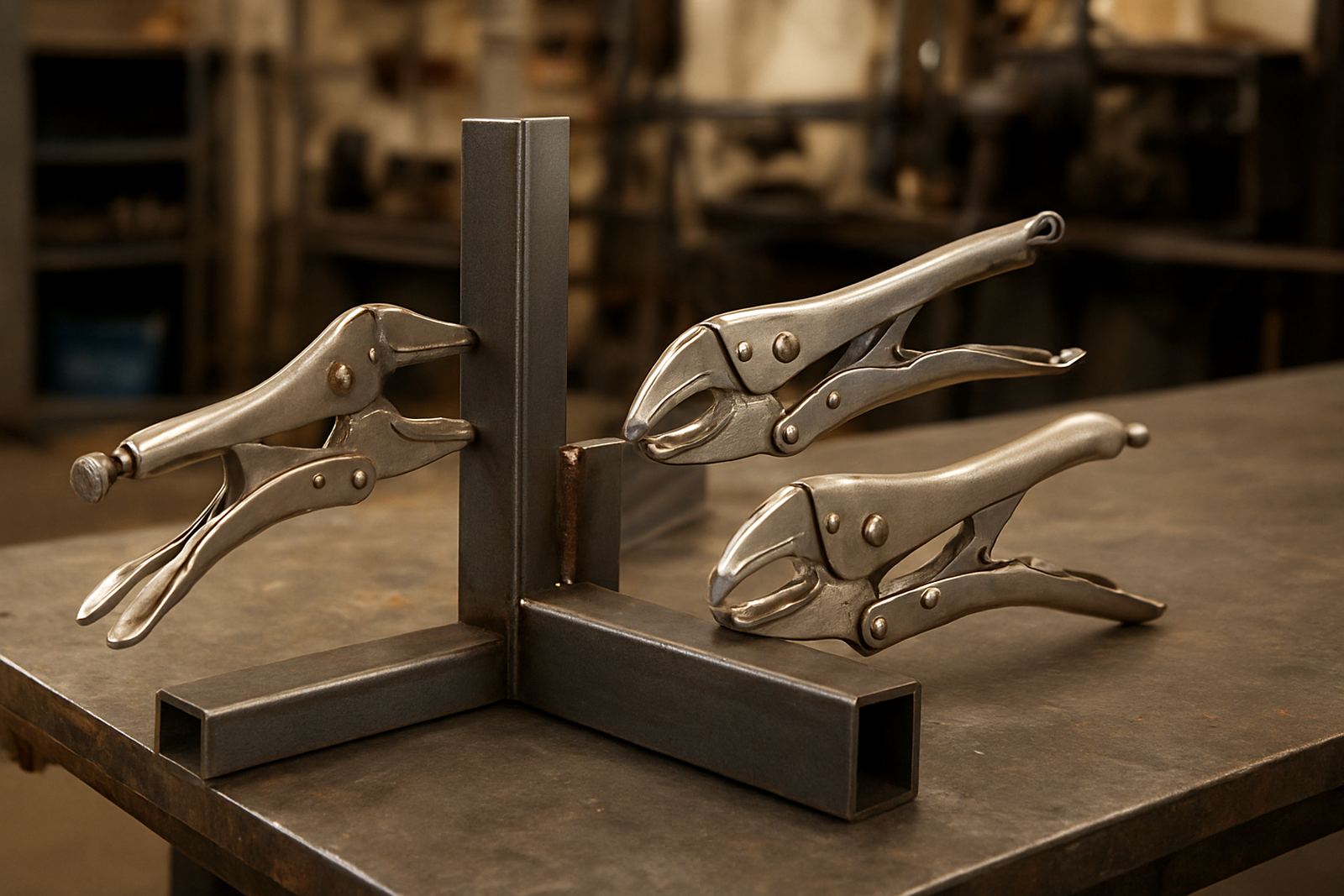
Typical options in a workshop set may include straight jaw, curved jaw and long nose styles. Straight jaws give a flatter grip on sheet and bar, curved jaws hold round stock well, and long nose versions reach into deeper spaces. If you are setting up a workshop in Pinetown or New Germany, a mixed set is usually the best value because one size alone tends to get used up fast.
- Short jaw sizes for compact spaces and finer work
- Medium sizes for general repair and maintenance
- Larger pliers for clamping, pipe and fabrication jobs
- Mixed jaw profiles for broader day to day use
Best workshop uses from Pinetown to site work
This set suits mechanical repairs, welding prep, frame alignment, panel holding and general maintenance. It also helps during assembly work where parts need a temporary hold before final fastening. For teams in Westmead, Hillcrest or Durban North, the real value is having a tool that can step in quickly when a vice, clamp or temporary fixture is not close by.
It is also useful for site vans and mobile repair kits. If a technician is doing a quick call-out in Umhlanga or along the North Coast, the set can help with hose work, bracket fitting and temporary holding while parts are checked. It is not a substitute for specialist clamps in every case, but it covers a lot of day to day fixes without fuss.
- Automotive repair and maintenance
- Light fabrication and welding prep
- Plumbing and pipe holding tasks
- General mechanical and household repairs
Installation, power and gas needs
There is no installation required for locking pliers. They are hand tools, so you simply choose the correct jaw opening, adjust the tension screw and lock the handles closed. No power supply, batteries or gas are needed, which makes them dependable during outages and useful in workshops where the generator is already tied up on other equipment.
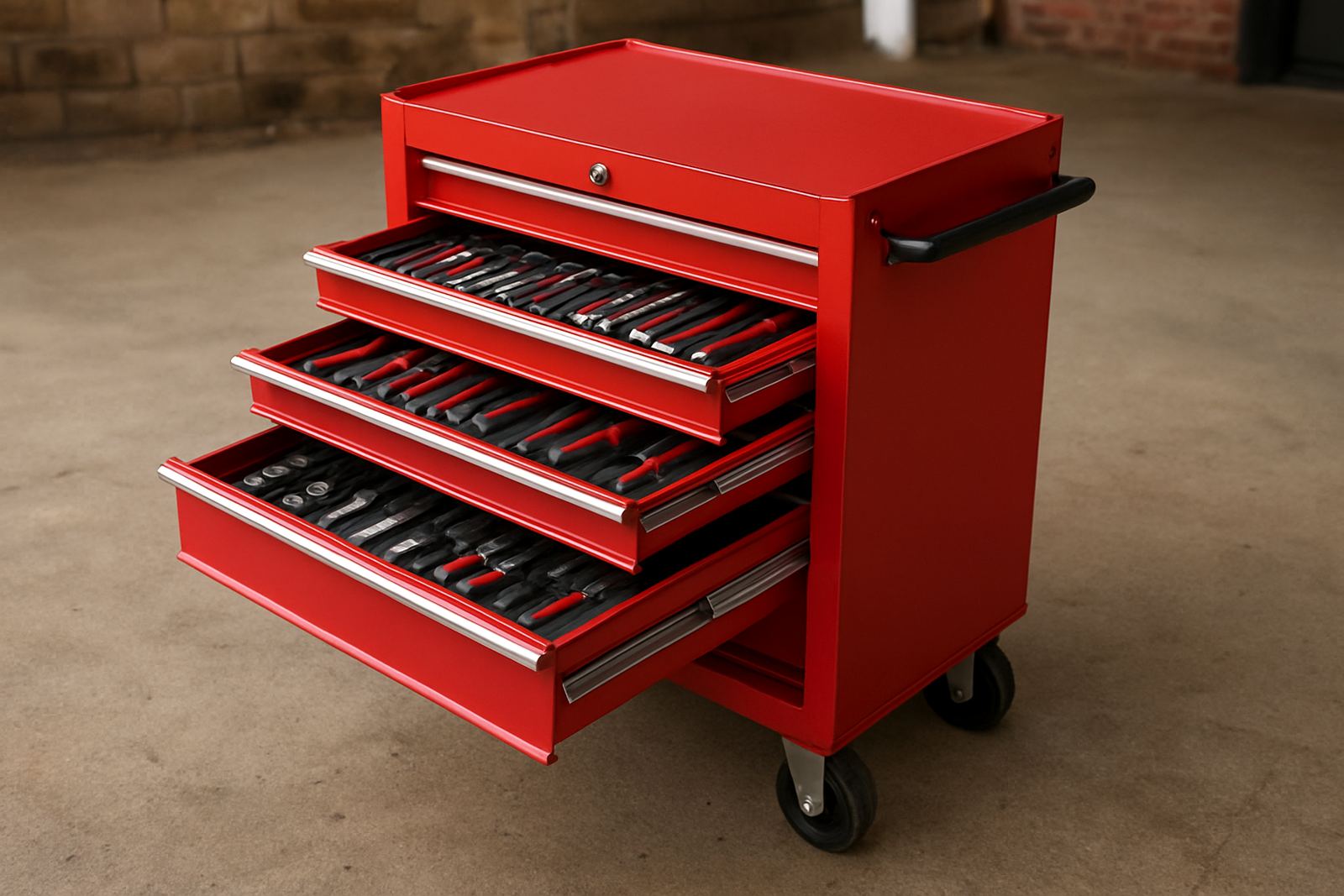
If you are adding them to a new starter kit, it helps to store them in a dry tray or tool roll so they are ready for quick access. For site crews working near the coast, a little extra care matters because humidity can start surface rust if tools are left in a damp bakkie box or open shelf.
- No electricity or compressed air needed
- No gas consumption or consumables required
- Ready for bench use, field service and mobile repairs
- Simple manual adjustment before each job
Care, servicing and how to keep the jaws working properly
Good care is simple. Wipe the tool clean after use, especially after contact with oil, cutting fluid or damp metal. Check the release lever and adjustment screw so the action stays smooth, and keep the pivot areas lightly lubricated. If the teeth are full of grinding dust or metal swarf, the grip can weaken, so a quick clean saves a lot of trouble later.
For coastal areas like Durban and Umhlanga, dry storage is worth the effort. A light rust mark does not always mean the tool is finished, but if you leave it wet in the van or workshop it can seize up over time. Small habits make a difference and it keeps the tool ready for the next job.
- Clean jaws and pivot after each use
- Store in a dry place away from moisture
- Check locking action before heavy work
- Apply light oil to moving parts as needed
What to check before you order your set
Before ordering, think about the size range you actually use, the jaw style that suits your work and whether you need a small kit or a wider workshop set. If you mainly work on vehicles, medium straight and curved jaws are useful. If you do fabrication or maintenance, longer pliers and larger clamping jaws may be better. Matching the set to the job means less dead stock and more useful kit on hand.
It also helps to check how the tools will be used in your workshop. If you are standardising stock for a team in Pinetown, Westmead or Durban North, we can help align the set with other hand tools and consumables so ordering stays simple. For courier delivery nationwide, make sure the delivery address, contact number and any site access notes are correct, it avoids delays.
- Confirm jaw type, size range and quantity in the set
- Check whether you need straight, curved or long nose options
- Match the set to automotive, fabrication or general repair work
- Use a proper delivery contact and address for courier handover
Key facts
| Product type | Locking pliers set for gripping, clamping and holding |
|---|---|
| Typical set sizes | Mixed sizes, often small, medium and large options |
| Jaw styles | Straight jaw, curved jaw and long nose options depending on set |
| Material | Heat-treated steel construction with hardened gripping teeth |
| Power or gas required | None, fully manual hand tool |
| Care | Wipe clean, dry store, light oil on moving parts |