What the Hack Saw Frame Is Used For
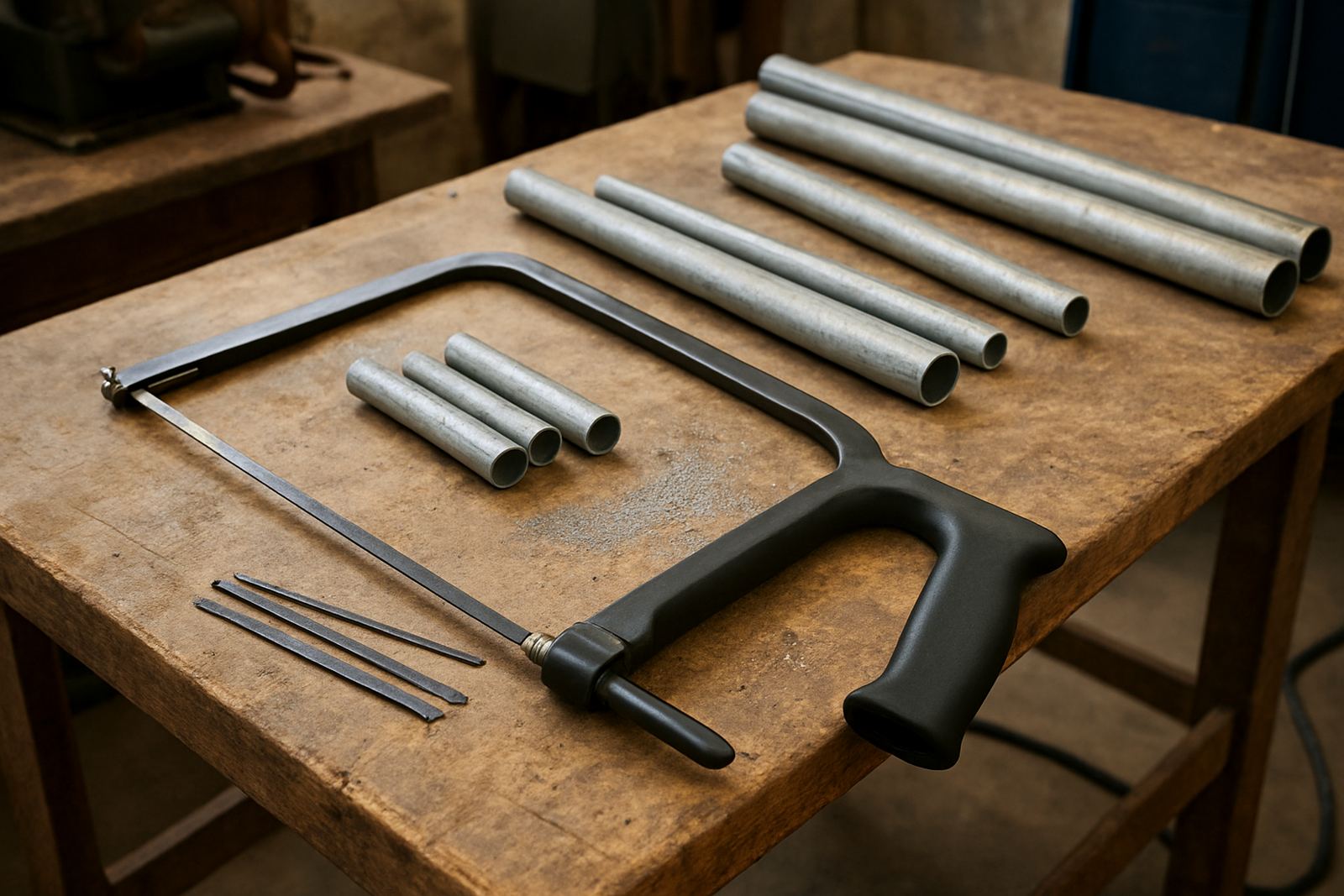
This hack saw frame is built for everyday trade cutting work, with a rigid frame that holds a standard blade under tension. It is used on mild steel rod, threaded bar, conduit, angle offcuts, small pipe and similar light sections. For fitment teams, maintenance crews and general workshop use, it gives you controlled cutting without needing electricity or compressed air.
In Pinetown, Durban North, Umhlanga and surrounding areas, this type of tool is often kept on a van or bench for small adjustments when a grinder would be too aggressive. It is also handy for places with load-shedding or temporary site power where you still need to keep work moving.
- Manual cutting for metal and plastic conduit
- Useful for trim work on rod, bolts and light sections
- No electricity or gas required
- Suitable for bench, site and service van use
Frame Sizes and Blade Options
Jameson Tools supplies this hack saw frame in common trade sizes so it can take standard blades used across most workshops. The most common frame length is 300 mm, which suits general cutting work and keeps replacement blades easy to source. Some users prefer an adjustable frame for a tighter blade fit and better control on smaller jobs.
Blade choice matters as much as the frame. A finer tooth blade works better on thinner conduit and small sections, while a coarser blade is better for faster cutting on heavier rod. If you are buying for mixed work, it helps to keep spare blades in both tooth counts so you do not get stuck on site.
- Standard frame length: 300 mm
- Accepts common replacement blades
- Manual blade tensioning for firm cutting
- Blade tooth count can be matched to the material
The handle shape should also be checked if multiple staff will use the tool. A grip that sits well in the hand reduces fatigue during longer cutting tasks, especially when cutting overhead or in tight spaces.
Where It Fits in a South African Workshop
This tool suits metal workshops, plumbing teams, electrical contractors, maintenance departments and small fabrication bays. It is also a good starter item for a new workshop because it is affordable, simple to teach and easy to store. Many teams use it for first cuts before moving parts to a vice, cutting table or machine process.
In coastal areas like Durban and Umhlanga, it is worth keeping the frame dry after use and storing blades away from moisture. Salt air can cause rust on exposed metal if the tool is left in a damp trailer or open shelf. In inland areas such as Hillcrest and Westmead, dust control is the main concern, so a closed tool box or drawer helps protect the blade teeth and frame joints.
- Workshop benches and service vans
- Maintenance and repair teams
- Installer kits for plumbing and electrical work
- Starter tool sets for apprentices and new staff
Using the Frame Safely and Effectively
No power or gas supply is needed, which makes the hack saw frame useful where site access is limited or temporary. Installation is straightforward: fit the blade with the teeth facing forward, then tension it until it feels firm and straight. A loose blade wanders and bends, while an over-tightened blade can snap under pressure.
For best results, clamp the workpiece before cutting. Use short, even strokes and let the blade do the work. If the cut starts to twist, stop and check your angle rather than forcing it. This saves blades and gives a cleaner finish, especially on conduit and small diameter rod.
- No electricity, batteries or gas required
- Clamp work before cutting where possible
- Use steady pressure, not heavy force
- Keep the cut line marked for accuracy
For on-site use, this is often one of the few tools that can keep going during outages or in areas where extension leads are not practical. It is simple, but when kept in good condition it gets used often.
Care, Blade Life and Simple Servicing
To keep the frame working properly, wipe it down after use and remove metal filings from the blade clamp and handle area. A light oil on moving joints can help if the frame has an adjustable section. Do not leave a used blade fitted for long periods, especially if the tool is stored in a humid store room or vehicle.
Blade life depends on the material being cut. Mild steel and clean conduit are straightforward, but dirty, rusted or painted sections wear blades faster. If the blade starts to snag, polish the cut slowly or replace the blade before it begins to flex too much. A dull blade is harder on the user and gives a poor finish.
- Clean after use and store dry
- Remove filings from blade clamps
- Replace worn blades early
- Check tension and handle grip regularly
For workshops that run regular maintenance jobs, it makes sense to keep spare blades on the same replenishment list as drill bits, cutting discs and marking tools. That keeps the cutting station ready without last minute runs to town.
What to Check Before You Order
When ordering a hack saw frame, check the blade length it accepts, whether the frame is fixed or adjustable, and what type of work it will mostly do. If the team cuts small conduit often, a lighter frame with a comfortable grip may suit better. If it will be used on site for mixed metal cutting, a stronger frame with good blade tension is the better call.
Also confirm whether you need spare blades in the same order. A frame without spare blades is only half the job done. For trade customers around Pinetown, New Germany and Westmead, it is also worth asking about kit bundling if you are standardising stock across teams or setting up a new workshop.
- Blade length and compatibility
- Fixed or adjustable frame type
- Intended materials to be cut
- Need for spare blades and backup stock
- Grip comfort for regular use
Jameson Tools also helps with workshop setup advice, tool replacement matching and starter kit bundling, so if you are building a practical cutting kit, we can help you keep the list simple and usable from day one.
Key facts
| Product type | Hand hack saw frame |
|---|---|
| Blade length | 300 mm standard fit |
| Use | Rod, conduit, light steel sections and similar materials |
| Power requirement | None |
| Frame style | Fixed or adjustable depending on option |
| Typical use | Workshop, site, maintenance and starter tool kits |