Why Spanner Size Matters in Real Workshop Work
In South Africa most modern vehicles, plant gear, shelving bolts and general trade fittings use metric fasteners, so a set of spanners from 6 mm to 24 mm covers a large share of day to day work. If the size is too small, it rounds the flats. If it is too loose, it slips and wastes time, and that is when a 10 minute repair becomes a headache.
For workshop teams in Pinetown, New Germany and Westmead, the right size is not just about speed. It also matters when power is off during load-shedding and you are doing manual strip and fit work by torch light. Clear size selection keeps the job moving without damaging fasteners or knuckles.
The Metric Sizes You Will Reach For Most
Most spanner sets used in local workshops include a core range that handles general maintenance, assembly and installation work. A small spanner is not always for small jobs, sometimes it is just the only one that fits in a tight bracket or under a hose clamp.
- 6 mm to 10 mm: electronics brackets, light fabrication, bike work and smaller fittings
- 11 mm to 14 mm: appliance repairs, furniture hardware and light industrial assemblies
- 15 mm to 19 mm: the everyday range for automotive, machinery covers and general trade use
- 20 mm to 24 mm: larger bolts, pipe supports, structural fittings and heavier workshop tasks
- 27 mm and above: specialised plant, big service work and selected mechanical applications
In practice, the 10 mm, 13 mm, 17 mm and 19 mm sizes get used again and again. If you are building a starter kit, those are the sizes that should never be missing.
Open End, Ring and Combination Spanners
Not all spanners do the same job. The shape changes how much grip you get and how much room you need around the nut. A lot of workshop damage happens because someone uses the wrong style when there was a better choice in the tray.
- Open end spanners: quick to fit on nuts and bolts where access is limited
- Ring spanners: better grip on stubborn fasteners and less chance of rounding
- Combination spanners: one open end and one ring end, useful for mixed jobs
- Flare nut spanners: used on brake lines and other thin-wall fittings where regular spanners can slip
For Durban humidity and coastal air, ring and combination spanners are especially useful on fasteners that start corroding. A close fit makes a real difference when a nut has already had a few seasons of rust on it.
How To Match the Size Without Guessing
The cleanest way to match a spanner is to measure the fastener across the flats, not across the corners. A metric bolt marked M8 does not always mean an 8 mm spanner, so do not rely on the thread size alone. That mistake wastes time and can leave a customer waiting while you hunt for the right tool.
If there is no marking, test the fit gently. The correct spanner should seat fully with no wobble. If it rocks side to side, stop and move up or down a size. On worn fasteners, you may need a better quality ring end or a six-point socket instead.
Here is a simple workshop habit that saves time, keep a ruler, calliper or size chart in the drawer with your spanners so the team can check before they start turning bolts. It sounds basic but it helps when multiple people share the same kit and nobody wants to be the one hunting for the missing 14 mm.
What A Good Starter Set Should Include
If you are setting up a new workshop in Pinetown, Hillcrest or Durban North, build your spanner set around the work you actually do. A general purpose trade set does not need every size on day one, but it should cover the sizes that are used most often and include enough duplicates for shared use.
- Short metric range from 6 mm to 19 mm for general service work
- At least one larger spanner for plant, fabrication or shelving installs
- Combination spanners for everyday use and faster handling
- One or two flare nut spanners if you work on vehicles or hydraulic lines
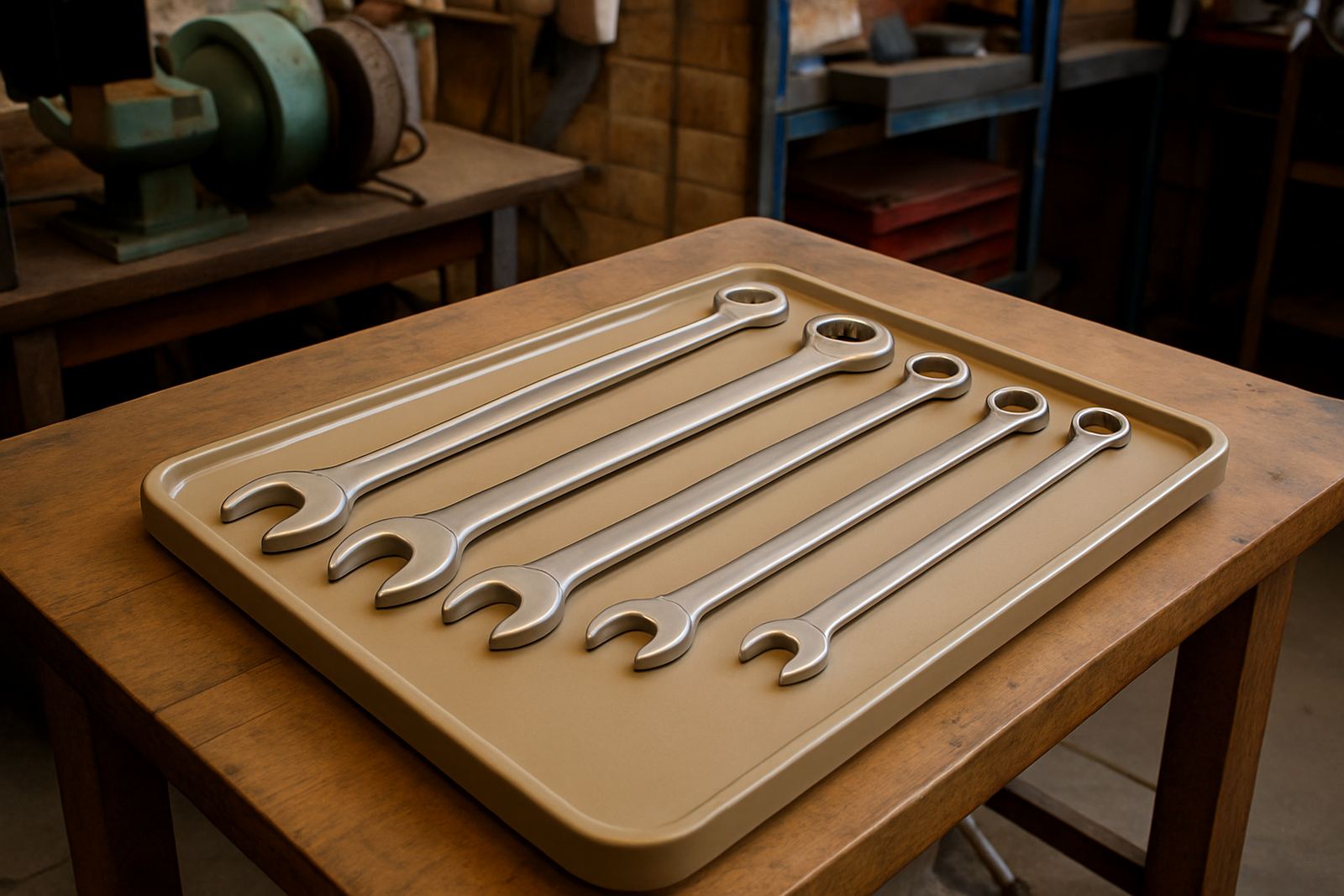
- Storage that keeps sizes sorted and visible so they do not go missing
For smaller teams, a starter kit with the right mix is often better than buying loose pieces later. It keeps the stock list tidy and makes replacement easier when a tool walks off site, which happens more than anyone likes to admit.
Keeping Spanners Working In Coastal Conditions
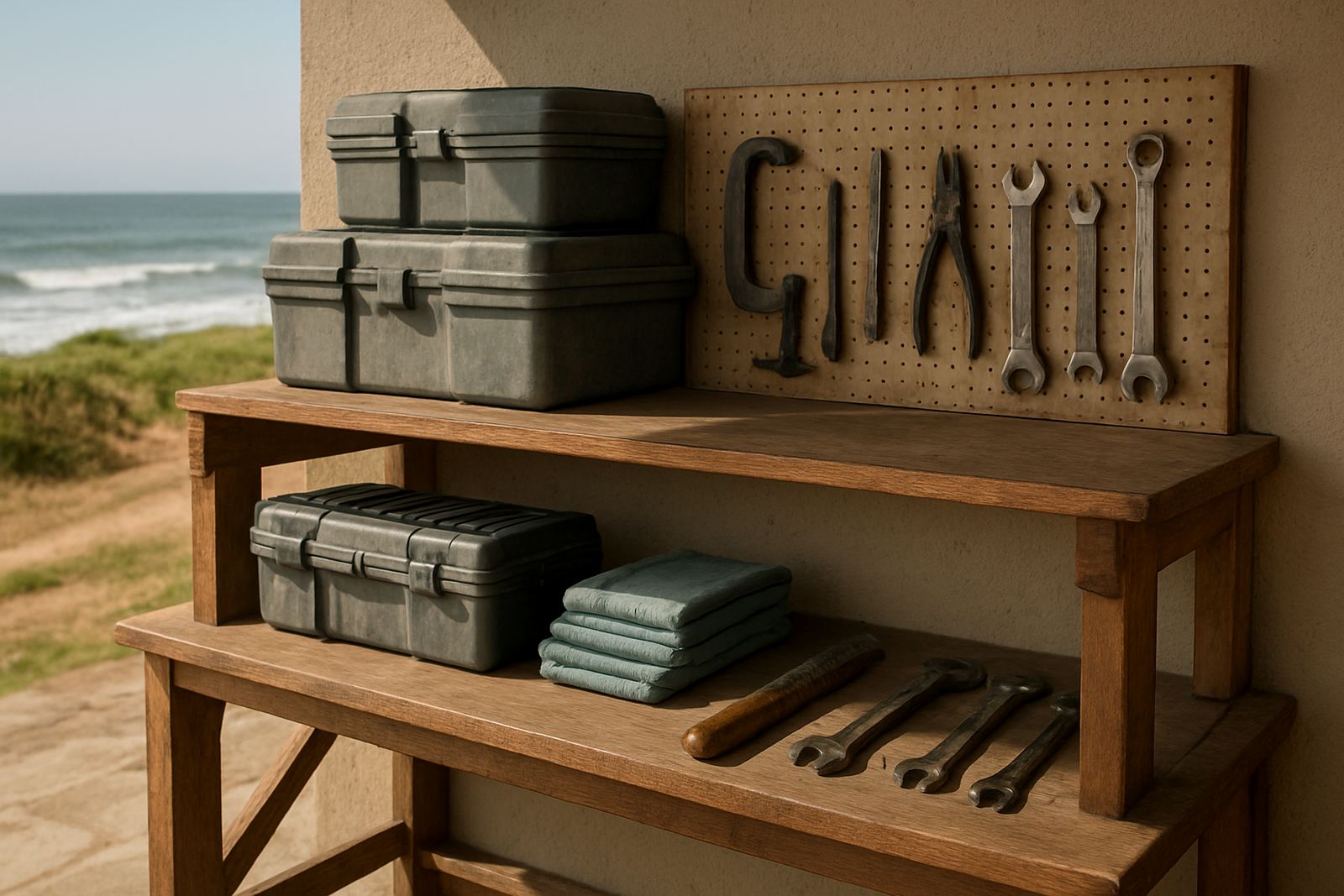
In coastal areas like Durban and Umhlanga, moisture and salty air can attack tool surfaces faster than inland. Even good spanners need care, especially if they are stored in a workshop that stays warm and closed up overnight. Wipe tools down after use and keep them off damp floors or open benches.
For teams working through load-shedding or after-hours callouts, a small clean cloth and a dry storage cabinet go a long way. It is also smart to separate heavily used sizes from the rest so you can check them often. A worn 13 mm may still look fine, but it can round fasteners if the jaws have opened out over time.
Replacement matching is worth doing properly. If one size has failed, check whether the same size is used in several stations or kits and replace it before the next shift starts. That keeps the bay moving and avoids the half-done job that nobody wants to inherit.
Building A Practical Spanner Kit For Local Trade Jobs
There is no prize for owning the biggest set. The better plan is to match the sizes to the jobs on your floor and the callouts you get most often. A workshop doing vehicle servicing will need different coverage from a team fitting racking, repairing machines or assembling equipment for site.
For trade accounts and workshop planning, it helps to standardise the most used sizes across the team. That way everyone reaches for the same size names and the same storage layout. It cuts confusion, helps with replenishment and makes training easier for new hands on the floor.
Jameson Tools supports workshops in Pinetown, Westmead, New Germany, Hillcrest, Durban North and Umhlanga with tool kit planning, starter kit bundling, consumables replenishment and on-site tool inductions. If you are setting up a bay or tightening up your current kit, a well chosen spanner set is one of the simplest ways to keep the work moving.