Start With The Work, Not The Catalogue
A good buy list begins with the jobs you actually do each week. If your team handles repairs, installations, fabrication or general maintenance, list those jobs first and then note the tools, bits and consumables each one needs. That approach stops you from buying the same item twice just because it looked useful on the shelf.
In many South African workshops, the pressure comes from mixed work. One day it is a quick fix on a gate motor, the next it is a full fitout for a small shop in Pinetown. When the list is built around real tasks, you can see what must be kept in stock, what can be ordered as needed, and what should be bundled into starter sets for new staff. It also helps during load shedding, when you need battery powered gear and backup consumables ready before the lights go off.
Keep the list in plain language. Write the job, the item, the quantity, and any size or drive spec. A clear note such as 13 mm spanners, 2 sets, or 6 mm drill bits, 3 packs, is far better than a vague reminder to buy tools. Small details save time later, especially when someone else has to place the order.
Separate Daily Use Items From Once-Off Purchases
Not everything in the workshop should be treated the same. Some items are used every day and must be replenished regularly. Others are only needed for a setup, a new bay, or a special task. If you mix them together, the list becomes hard to manage and stock control goes out the window.
Try sorting items into three groups:
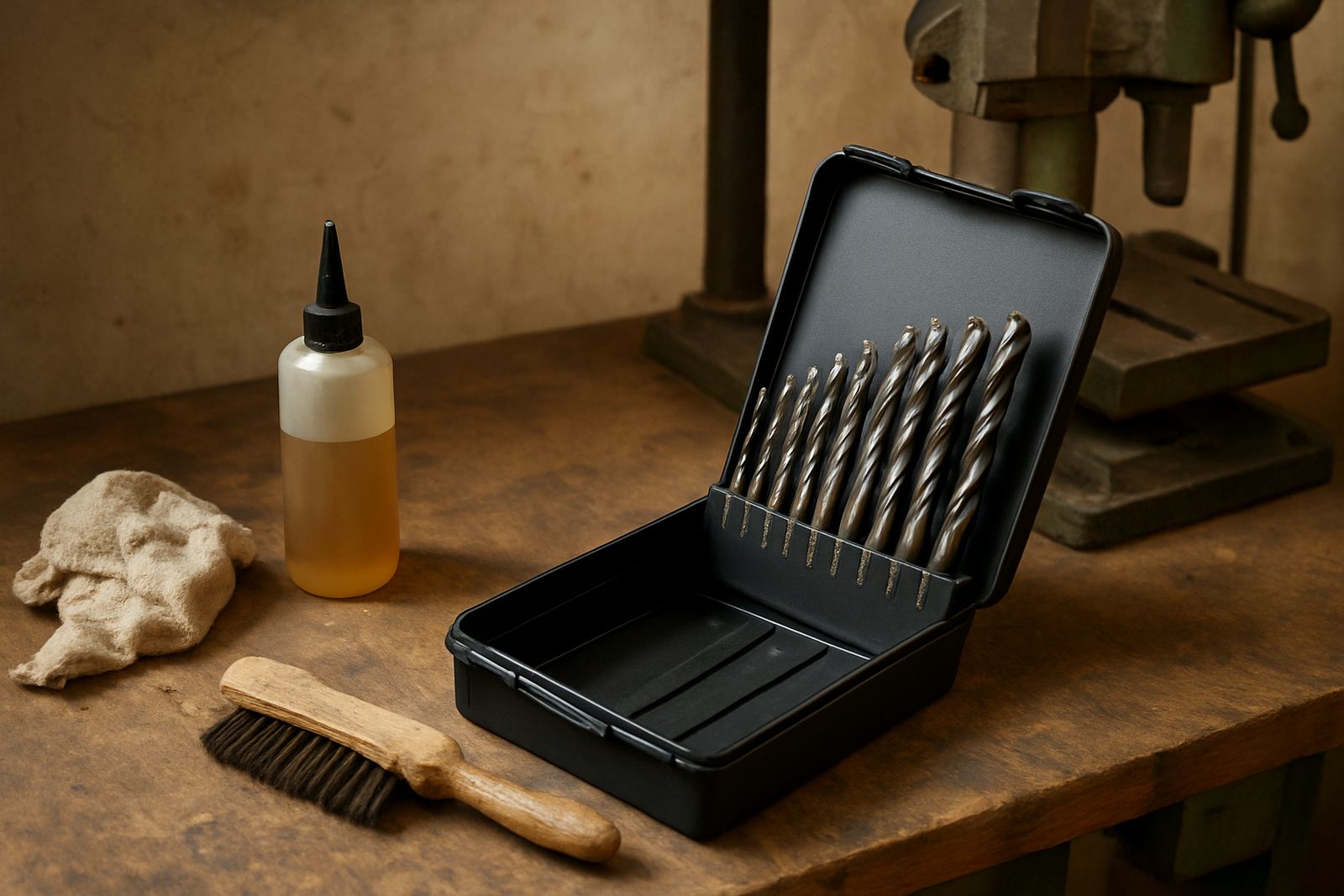
- Daily consumables such as blades, drill bits, abrasives, cutting discs and markers
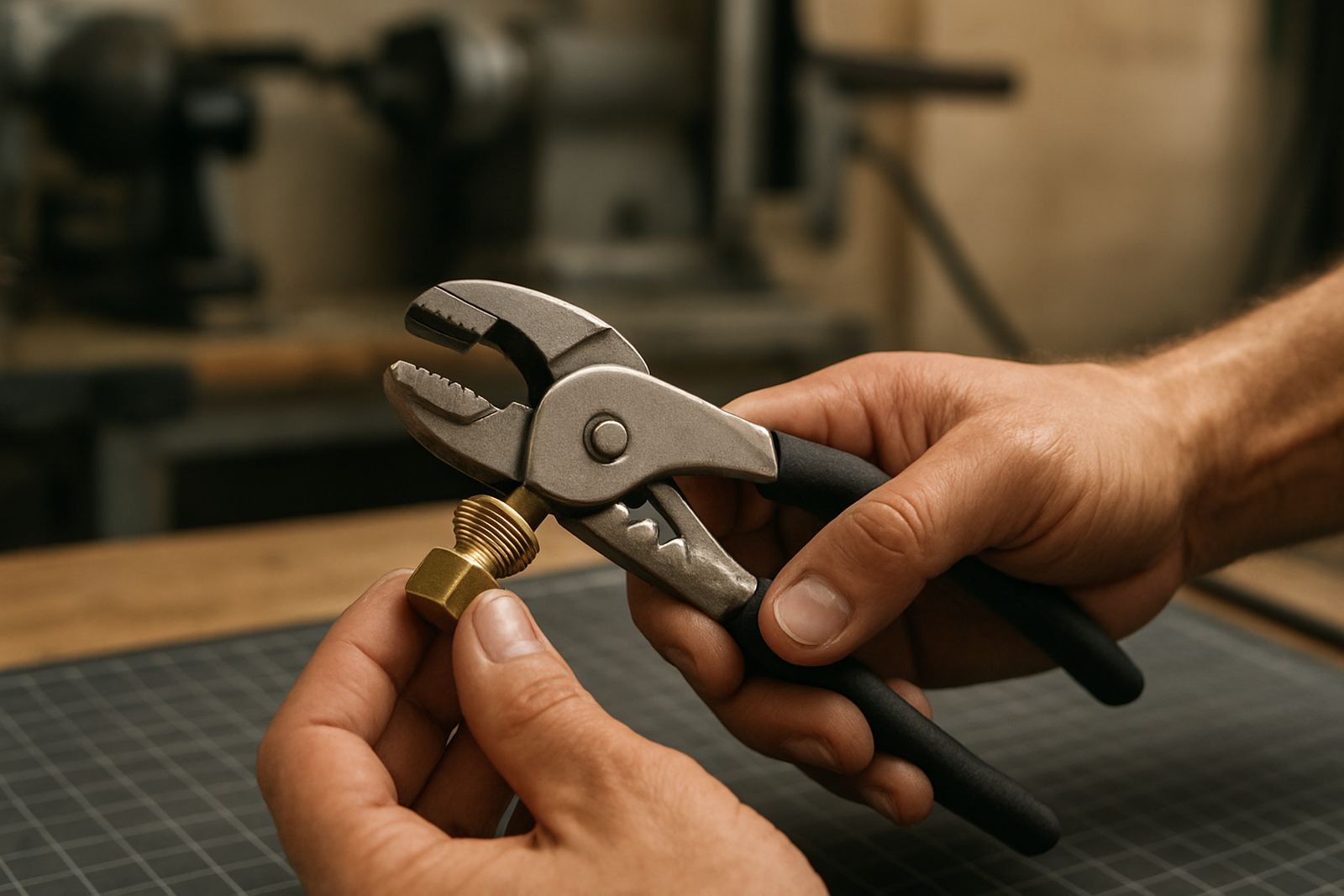
- Shared workshop tools such as torque wrenches, pliers, testers and socket sets
- Setup items such as storage trays, label systems, starter kits and safety gear
This makes purchasing cleaner and helps with trade account support too. A recurring list can be checked against actual use, while once off items can be signed off separately. It is a simple habit, but it cuts down on duplicate buying and makes stock planning much easier.
Match Stock To The Workshop Size And Team Skill
A one person repair bay in Westmead does not need the same kit volume as a growing team in New Germany. The right list depends on how many people are working, how far the tools have to travel on site, and how much training the team already has. If everyone is using the same core tools, you need spares and duplicates in the right places. If skill levels differ, you may need training resources as well as the tools themselves.
That is why buy lists should show who uses what. A basic starter kit for a new technician, for example, may need hand tools, fastener sets, marking tools and a small selection of power-tool accessories. A more advanced bay may need replacement matching for worn items, plus extra consumables to cover the heavier workload. In coastal areas like Durban North and Umhlanga, you may also want corrosion resistant storage choices because humidity can shorten the life of metal stock if it sits unused for too long.
When the list reflects team skill, you avoid overbuying fancy kit that sits in a cupboard while missing the basics that keep the workshop running.
Use Quantity Rules So The Same Item Is Not Bought Twice
Duplicate buying usually happens when there is no rule for quantities. One person orders a tape measure, someone else orders another because the first one could not be found, and suddenly there are four where two would have done the job. The fix is not complicated. Set a minimum quantity, a usage trigger, and a named owner for each item.
For example, a practical list might look like this:
- Minimum stock level: 10 packs of commonly used screws
- Reorder trigger: 3 packs left on the shelf
- Owner: workshop supervisor or store controller
- Review cycle: every Friday afternoon
That structure is useful for consumables replenishment, but it works for tools too. If a driver set goes missing, the buy list should say whether it is to be replaced immediately or only after stock check. This avoids panic orders and keeps spending under control. It also helps when a courier delivery has to be timed around municipal access or site rules in industrial areas.
Build One Standard Stock List For Everyone
Different staff members often use different names for the same thing, which creates confusion. One person says grinder discs, another says cutting wheels, and a third writes down the wrong size altogether. Standardising the stock list solves that problem and makes ordering quicker. It also gives you one clean reference point for training, buying and replacement.
A standard list should include the item name, size, quantity, storage location and the job it supports. Keep it simple and readable. If the team in Pinetown uses the same list as the branch in Hillcrest, then extra kit can be moved between sites without confusion. This is especially handy when workshops grow in stages and need to refresh stock seasonally before the busy months.
When standardising, check for items that are bought in mixed units. A drill bit pack, a box of gloves, or a set of sockets should always be listed the same way. That small discipline keeps purchasing tidy and makes it easier to compare spend month by month.
Make Room For Training, Not Just Tools
A buy list should not stop at hardware. If the team is getting new kit, they also need to know how to use it properly. That is where on-site tool inductions and training resources matter. A tool that is stored correctly, maintained well and used for the right job lasts longer and gives better results. A tool that is handed out with no explanation often ends up damaged or underused.
For new workshops, this is critical. A starter kit bundle can cover the basics, but the team still needs guidance on care, safety and replacement. In many cases the best buying decision is a small one at first, with a clear training plan and a review after the first few weeks. That way the list grows with the workshop instead of filling the shelves with items nobody asked for.