What The Bay Needed In Pinetown
The client was a small automotive service bay in Pinetown working from a limited floor area, with two technicians sharing the same working zone and a steady mix of minor repairs, strip and fit work, and general maintenance. The brief was clear: build a starter supply that would cover common jobs without filling the bay with loose odds and ends.
Because the site sits in a busy industrial area, the team needed a setup that could handle daily movement, dust, heat and the odd stop-start power issue during load-shedding. The owner also wanted items that were easy to track, easy to replenish and simple enough for new staff to pick up quickly, so we kept the range practical rather than over-specifying it.
- Client type: independent automotive service bay
- Town: Pinetown, Durban
- Work area: compact two-tech bay with shared storage
- Main need: core tools and organised consumables for daily use
The Brief And Site Constraints
The bay had a few clear constraints. Storage space was tight, wall space was limited and the team needed fast access to frequently used items without cluttering the floor. The client also asked for kit that would survive humid coastal conditions, because tools left exposed for even a few days can start to show rust if they are not wiped and stored properly.
We also had to account for sensible replacement planning. A small workshop cannot afford to stop working because one spanner set or cutting disc stock runs out, so the order had to include enough cover for the first cycle of use plus a simple way to top up later. There was no need for fancy extras, just good coverage, clear grouping and fewer wasteful repeat purchases.
- Limited floor space and very little spare shelving
- Coastal humidity and dust from the industrial area
- Need for quick tool access during busy shifts
- Replacement planning for consumables and common wear items
What We Supplied And How It Was Grouped
We supplied a working mix of hand tools, fastening accessories, storage pieces and consumables for a basic service-bay launch. The hand tool pack covered the everyday items used on fasteners, trims and light mechanical work, while the accessory packs focused on the sort of parts that disappear fastest in a small bay. Nothing was overdone, but every item had a purpose.
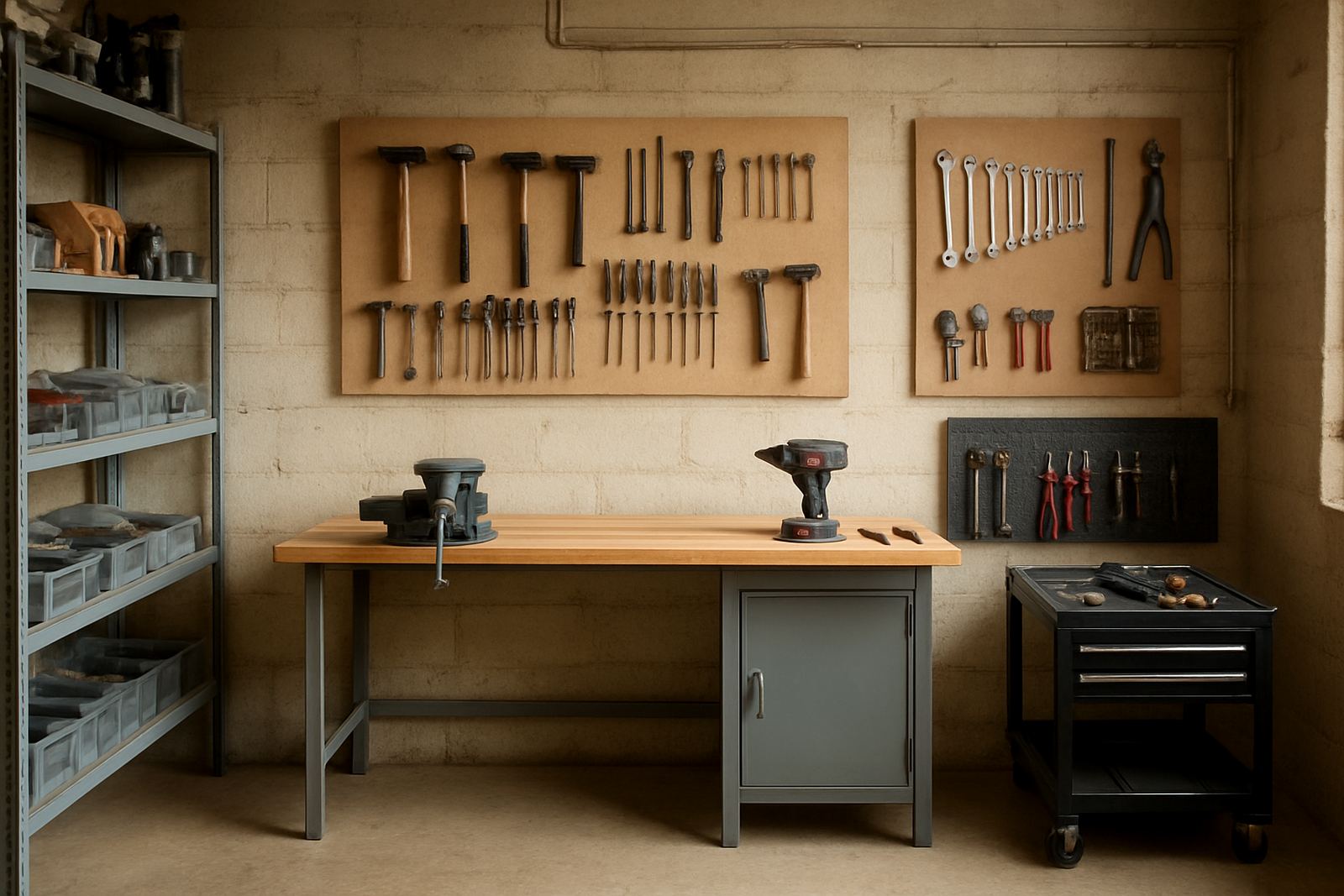
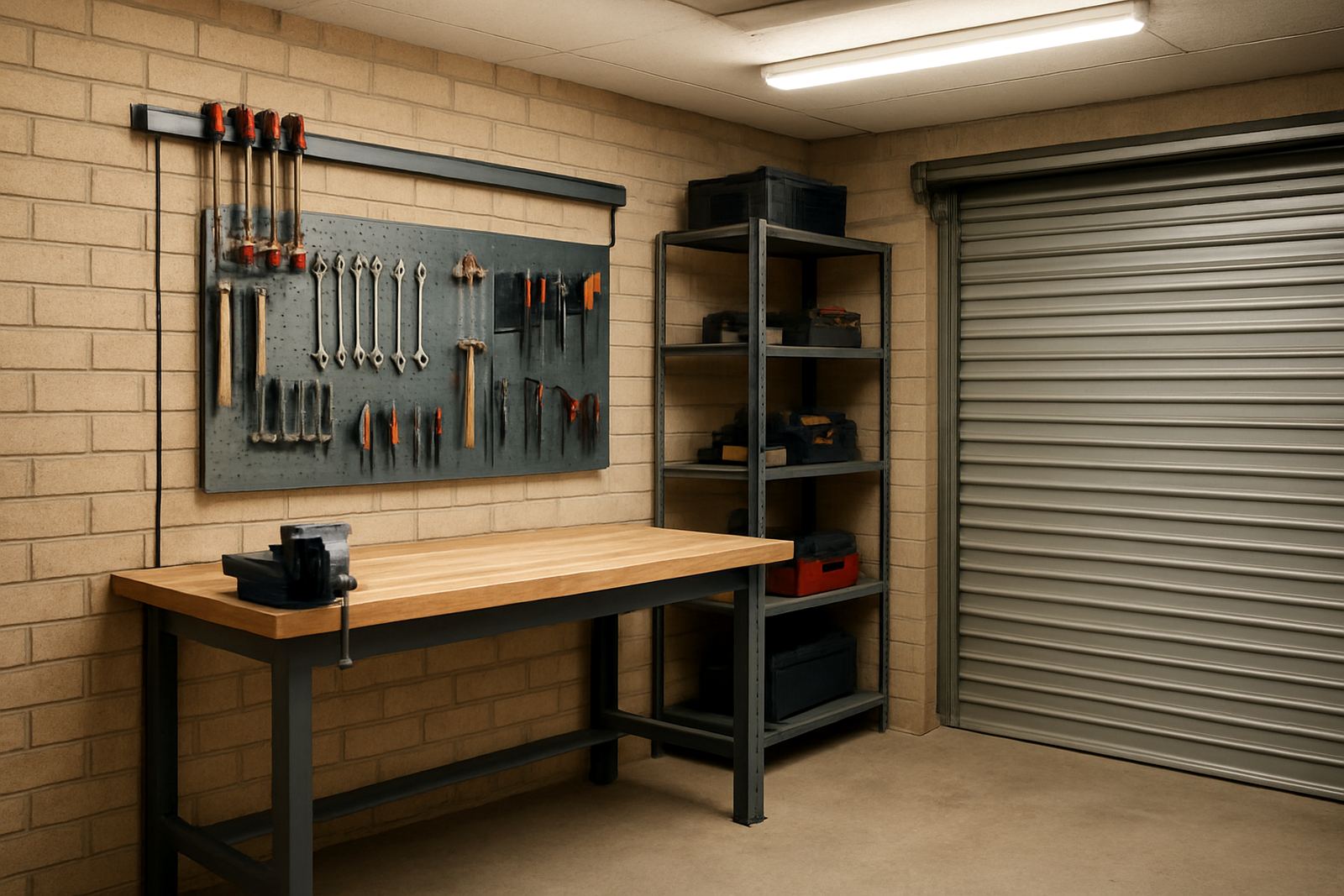
The storage portion was kept compact so the bay could stay tidy. We matched the kit to the space by grouping items into labelled sets, then pairing them with storage that could sit against the wall without blocking movement. Fasteners and small consumables were split into easy-count packs to help the team see what was used and what needed replenishing. That made stock control much simpler, especially when the workshop got busy.
- Core hand tools for general service and strip work
- Socket, spanner and driver sets in workshop-ready sizes
- Fastening accessories and small consumables in grouped packs
- Compact storage for wall-side organisation
- Replacement matching for wear items and common loss points
Key Specs For The Auto Bay Setup
The final supply plan was built around everyday workshop use, not display value. The main hand tools were selected in metric sizes commonly used in South African motor trade work, with enough coverage for servicing, trim work and general assembly. Storage items were sized to fit a small bay, and the consumable pack was set up to support repeated use over the first few weeks of operation.
We also included starter quantities that made sense for a new bay. That meant enough duplicates of high-use items to prevent delays, but not so much that the shelves became cluttered. The idea was to keep tools visible, countable and ready to go. The team could then add to the kit as the job mix settled down and they got a better feel for turnover.
- Hand tool coverage: metric service sizes for common vehicle work
- Storage footprint: compact wall-side organisation for a small bay
- Consumables: starter replenishment packs for frequent-use items
- Access pattern: quick grab sets for two technicians sharing space
- Durability focus: suitable for daily trade use in humid coastal conditions
Timeline From Brief To Delivery
The project ran over two weeks from the first call to final handover. In week one we confirmed the job list, mapped the space and agreed the grouping for tools, storage and consumables. We also checked which items needed to be bought as complete packs and which ones needed to be split into smaller counts for easier stock handling.
In week two we completed the supply, checked the order against the agreed list and arranged courier delivery into Pinetown. Once the kit arrived, the owner could sort the bay without waiting on extra pieces. The process was straightforward and there was no need for rework, which saved time for everyone involved.
- Week 1: brief, stock list planning and kit grouping
- Week 2: supply, checking and courier dispatch
- Handover: ready for immediate use on arrival
Results In The Workshop
The bay was able to open with a practical core kit instead of patching together tools one item at a time. That gave the team faster turnaround on routine jobs and made it easier to keep the work area tidy. The storage grouping also helped prevent common losses, which matters in a compact space where tools can disappear under parts or get shifted from one bench area to another.
The client also gained a simple replenishment pattern. Because the consumables were listed and counted from the start, it became easier to see what was running low before it stopped work. For a small Durban workshop, that sort of planning is often the difference between a smooth week and a lot of chasing around for missing stock.
- Cleaner bay layout with fewer loose items on the floor
- Faster access to common hand tools during daily jobs
- Less downtime caused by missing small consumables
- Simple stock counts for easier reordering
What We Would Repeat On The Next Bay
We would use the same approach again for any compact service bay in Pinetown, Westmead or New Germany: start with the jobs the team actually does, then build the tool list around that. It is tempting to overbuy when opening a new workshop, but that usually creates clutter and tie-up capital in items that sit unused.
For a setup like this, we would repeat the same three steps: map the space, group the tools by task and leave room for future replenishment. We would also keep the training side in the plan, because even a good kit performs better when the team knows how to store it, clean it and put it back in the same place every time. That small discipline pays off quickly.
- Start with daily jobs before adding extras
- Keep storage compact and clearly grouped
- Leave space for stock top-ups and seasonal refreshes
- Include a quick induction for new staff where needed