What marine maintenance teams actually need
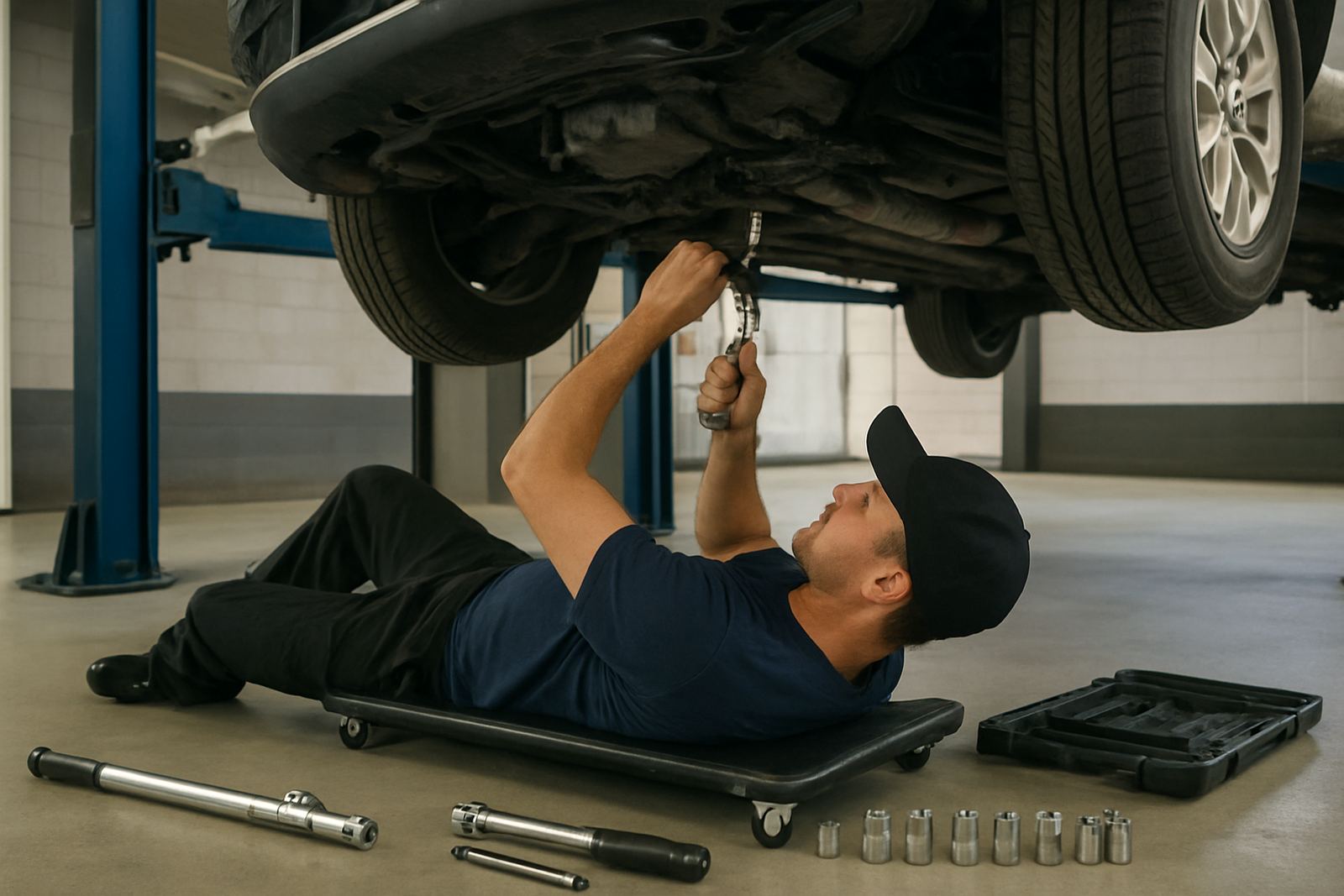
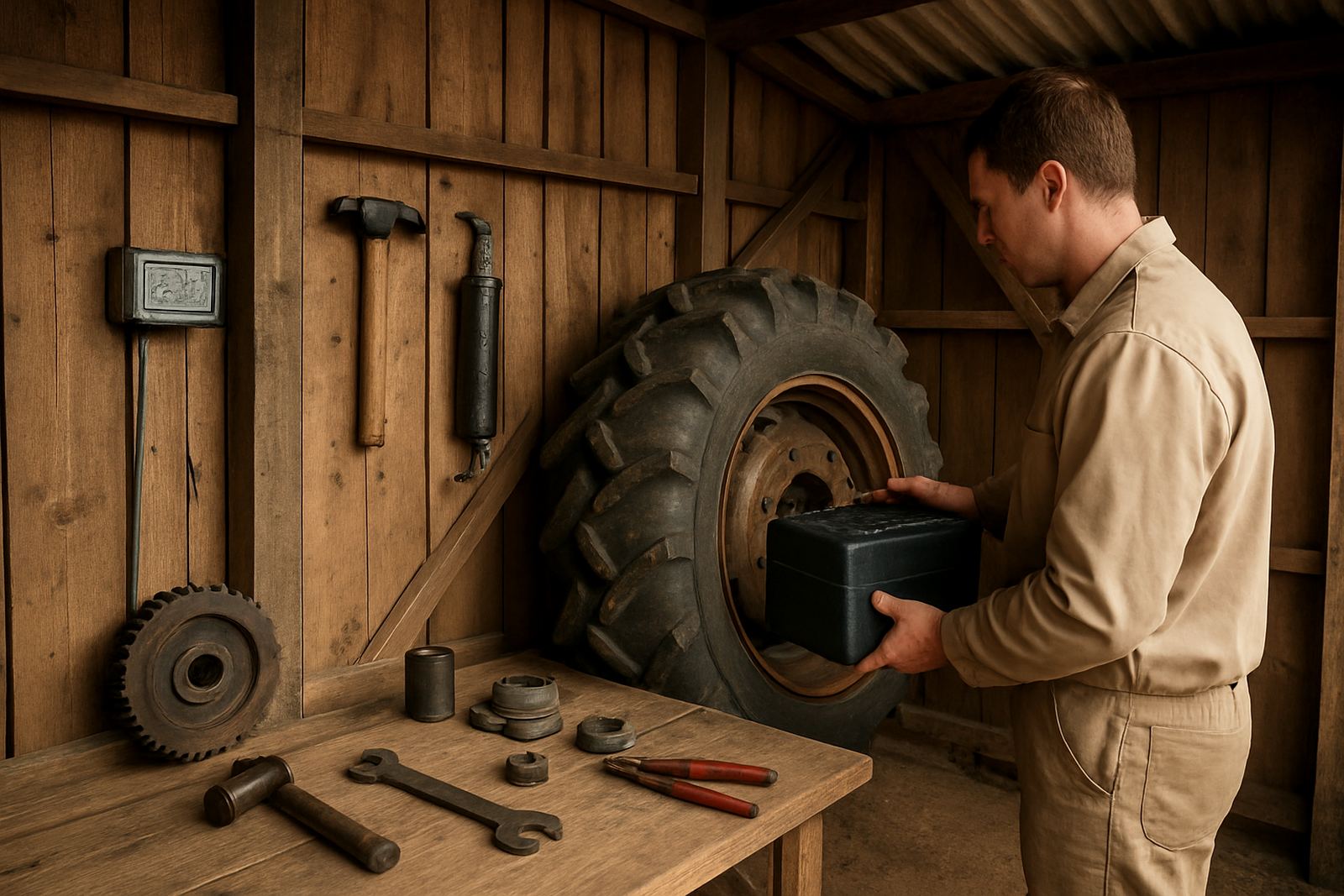
Marine maintenance is not only about boats. In Durban, Pinetown and the harbour area, teams deal with trailers, aluminium fittings, pumps, winches, deck hardware, small engines and workshop repairs that live close to salt spray and damp air. That means the usual general purpose kit wears faster if it is left wet or stored loosely in an open tray.
For this kind of work, the aim is practical control: tools that are easy to clean, fast to find and simple to replace when a socket goes missing on a busy Friday afternoon. A good starting point is a mixed hand tool kit with corrosion-aware finishes, a compact power-tool accessory set, labelled storage and a small stock of consumables so the workshop does not stop for one worn item.
A sensible equipment set for coastal service work
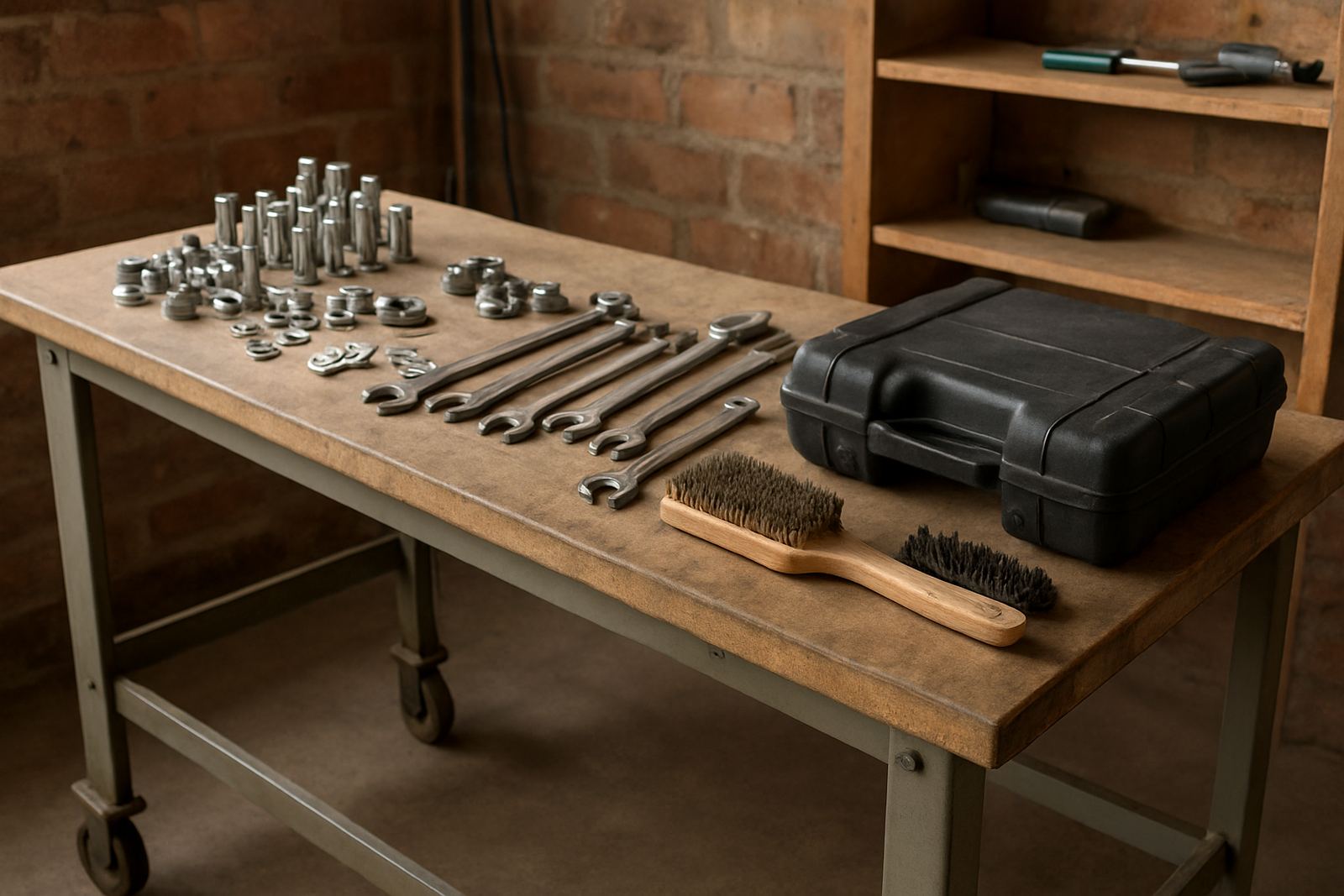
A marine maintenance set should cover stripping, tightening, cutting, measuring and cleaning. The exact mix depends on whether the team works on vessels, slipways, repair yards or inland workshops handling marine parts. For most crews, the right set is built around repeat jobs and parts that fail often.
- Spanners, sockets and ratchet handles in common metric sizes
- Combination pliers, side cutters and long nose pliers
- Hex key sets, screwdrivers and bit holders for mixed fasteners
- Wire brushes, scrapers and sealant removal tools
- Drill bits, cutting discs and sanding accessories for light fabrication
- Measuring tape, square, marker pens and inspection torch
- Rust treatment, lubricant, cleaning cloths and corrosion spray
For coastal use, sealed storage matters. Even a good tool will suffer if it sits in a damp van tray or a locker that takes spray and never dries out. A basic locker with dividers and a wipe-down routine after each shift helps extend service life and keeps the kit ready for the next call-out.
Layout and planning for a salt-air workshop
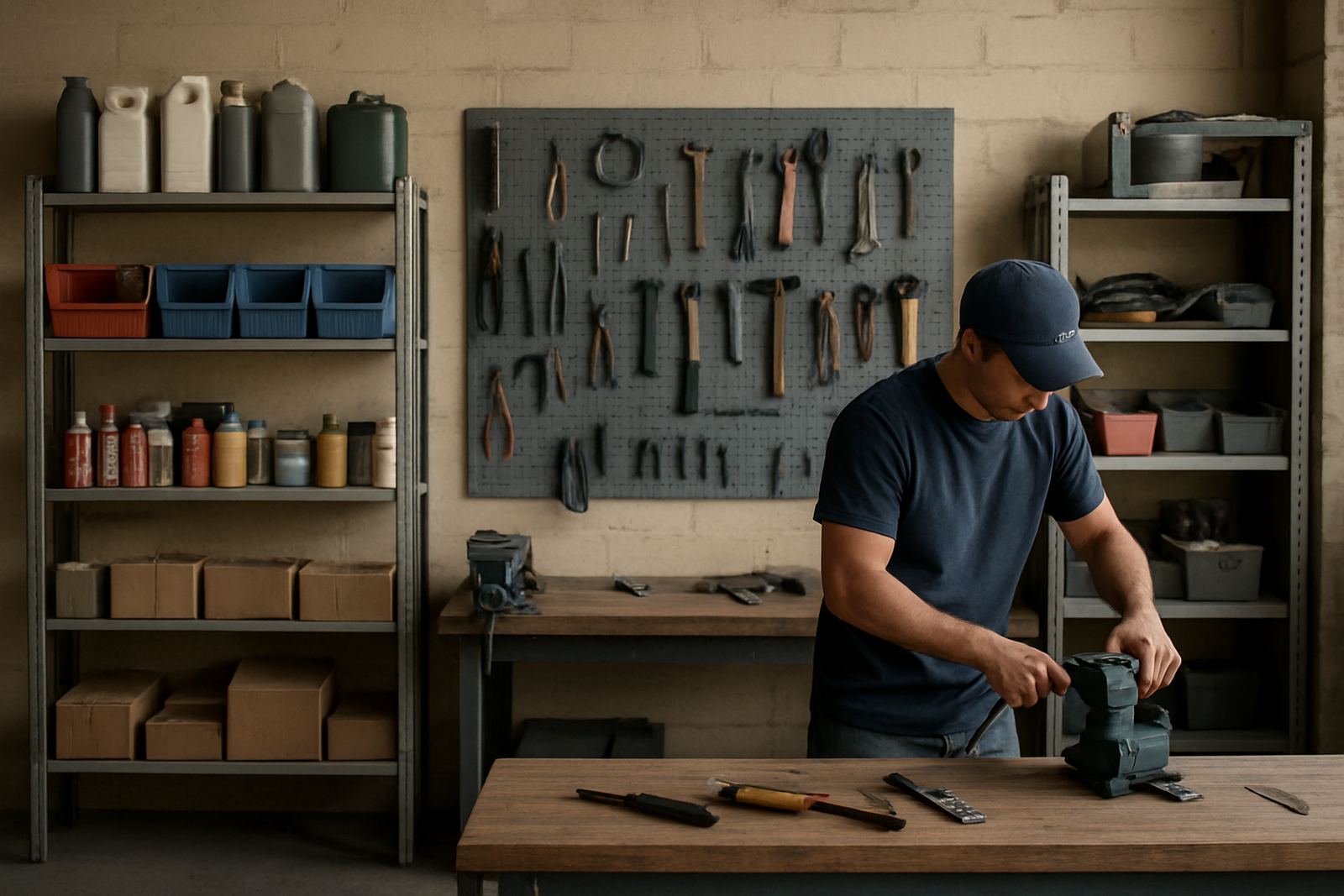
Workshop layout is often overlooked until the first busy service week. In a marine repair environment, the best setup keeps frequently used items closest to the point of use and stores sensitive consumables higher up or in closed containers. Tools used for stainless fittings, electrical checks and general service should have their own place, so nobody wastes time searching through mixed boxes.
If your operation runs between Pinetown and coastal sites, plan for quick turnarounds. A small mobile pack for field jobs should include the essentials only, while the main workshop kit carries the fuller range. Label drawers by task rather than by tool type where possible, for example fasteners, drilling, sealing, measuring and cleaning. That makes handover easier when shifts change and the weather turns wet.
Teams in humid areas also benefit from a weekly wipe-down and inspection routine. It sounds simple, but it stops one rusty bit from spreading across a whole tray. If you manage multiple vehicles or service stations, standardising the contents of each kit reduces mistakes and keeps replacement orders predictable.
Common mistakes that cost time and money
Marine maintenance jobs often go slower because of small planning errors, not because the work is unusually complex. The first mistake is buying cheap mixed kits with missing sizes. A team then ends up forcing a near-fit socket onto a fastener and rounds it off, which turns a ten minute task into a long repair.
The second mistake is ignoring storage and replenishment. Coastal humidity, washdowns and open transport all shorten the life of tools and accessories. If replacement bits are not tracked, the workshop runs out of the same sizes every month. The third mistake is not matching the kit to the job. A general maintenance box will not carry enough cutting accessories, stainless-safe consumables or inspection items for marine service work.
- Buying a kit that is too large for mobile work
- Mixing workshop and site tools in one box
- Skipping corrosion checks after washdown
- Not standardising socket and bit sizes across teams
- Leaving consumables unpacked in damp storage areas
Budget ranges that make sense in Rand
For a small marine support team, a basic starter kit usually starts around R2 500 to R6 000. This suits light maintenance, inspections and smaller repair tasks where the work is controlled and the kit is shared carefully. A more complete workshop set for regular service work generally sits between R8 000 and R18 000, depending on the number of tools, accessory packs and storage options included.
For a mobile crew or a business setting up from scratch, a fuller trade pack can run from R20 000 to R45 000 when hand tools, power-tool accessories, replacement consumables and organised storage are added together. It is usually better to buy a practical base set first and add the repeat-use items after two or three weeks of actual work. That way the money goes where it is needed and not into kit that never leaves the shelf.
Jameson Tools can help with starter kit bundling, tool replacement matching and trade account support, which is useful when your purchases need to stay tied to real job volumes rather than guesswork.
How Jameson Tools supports marine maintenance teams
Our team works with workshops across Pinetown, New Germany, Westmead, Hillcrest, Durban North and Umhlanga, with courier delivery nationwide. For marine maintenance clients, the focus is on getting the right mix of tools, accessories and replenishment stock without overcomplicating the order. We also help with tool kit planning, stock list standardising and seasonal workshop refresh so the setup keeps pace with repairs and weather changes.
If you are fitting out a new workshop or updating a coastal service bay, we can help you map the daily jobs first, then build the kit around those tasks. That includes practical training resources and on-site tool inductions where needed, so teams understand what each item is for and how to keep it in service for longer. It saves time, reduces breakages and makes re-ordering much easier.
- Tool Kit Planning for marine and coastal work
- Consumables Replenishment for repeat service items
- Workshop Setup Advice for new or growing teams
- Courier Delivery Coordination to Durban and nationwide
- On-Site Tool Inductions for staff handover and refreshers
To order or request support, contact orders@jameson.co.za. From Pinetown to the coast, we keep the process practical and the kit ready for work.