What Maintenance Teams Usually Need On Site
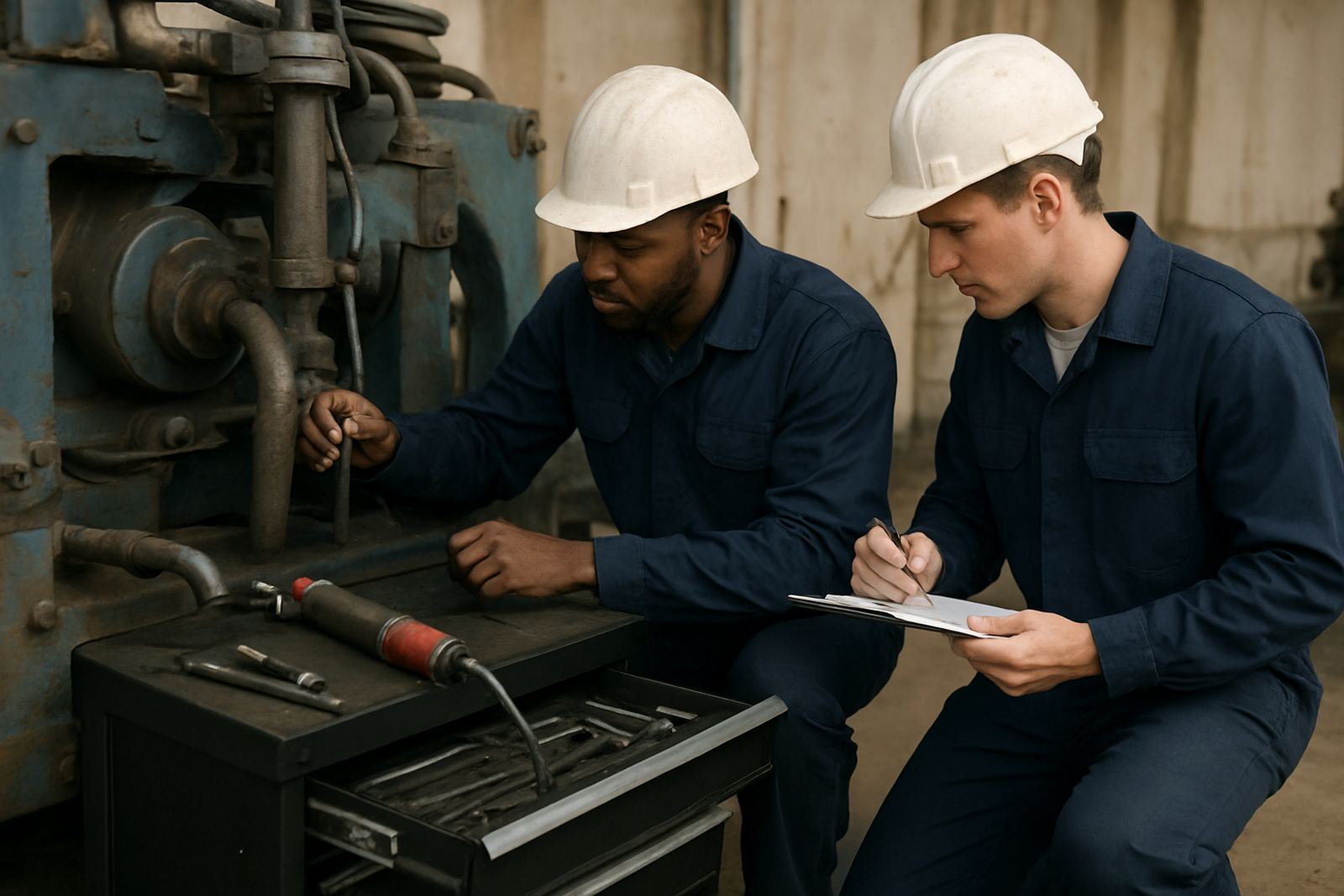
Maintenance teams work in a lot of different places, from factories in Pinetown and New Germany to commercial sites in Durban North, Umhlanga and inland depots. One day the job is planned pump servicing or panel checks, the next it is a breakdown with limited time, poor lighting and no spare hands. The right kit has to be easy to carry, quick to sort and strong enough for daily use.
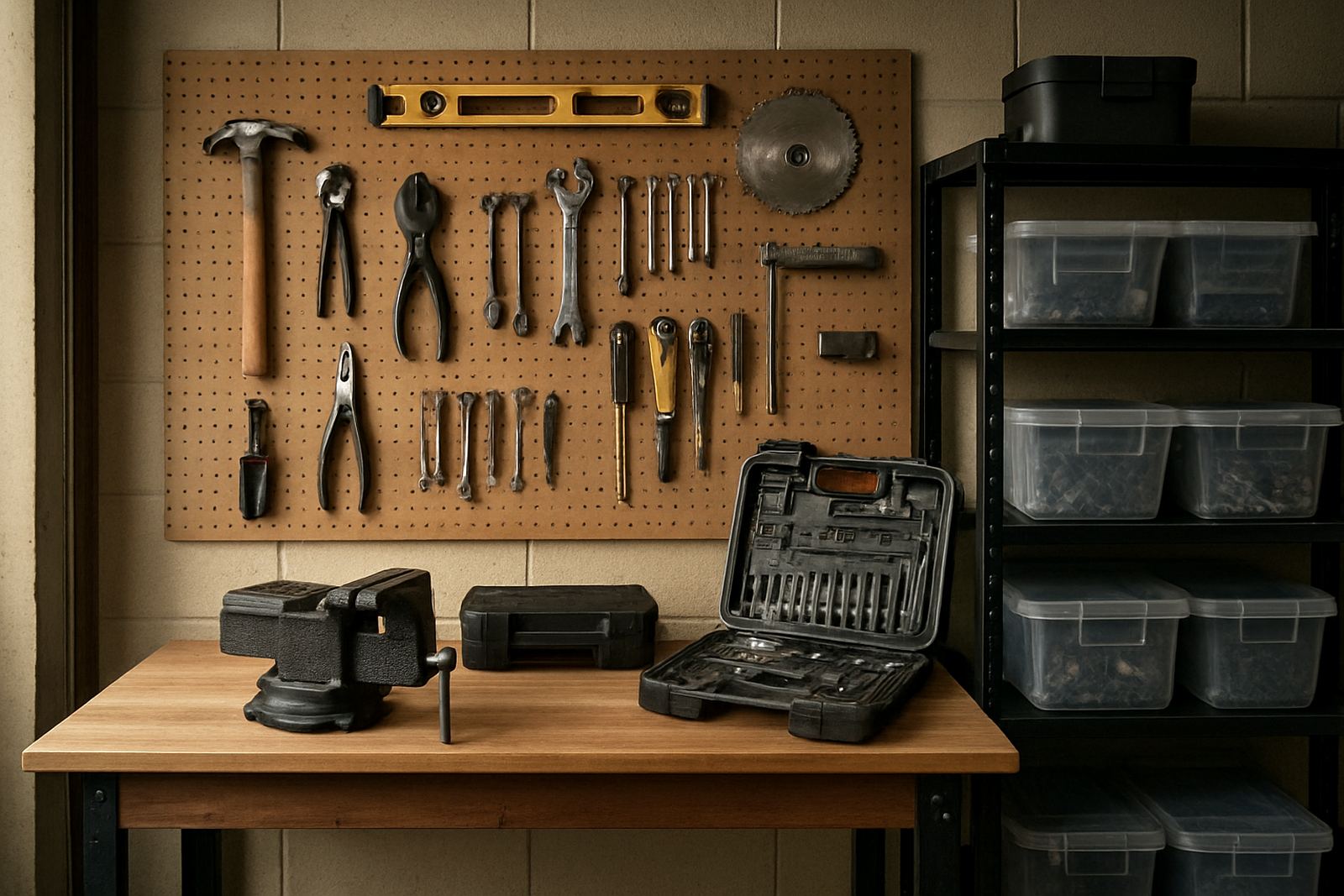
For most teams, the starting point is a sensible mix of hand tools, socket sets, cutters, pliers, screwdrivers, measuring tools and power-tool accessories. Add lockable storage, labels and a clear stock list so the person leaving the workshop knows exactly what is in the vehicle. If your crew is doing both preventative maintenance and call-outs, each kit should be packed by task not by brand preference.
A Practical Kit Mix For Planned Work And Breakdown Call-Outs
A maintenance kit should cover the most common fasteners, fittings and service tasks, without becoming too heavy to carry across a site. In Durban's humidity and coastal air, tools also need decent storage so they do not rust after a week of door-to-door work. For teams running between workshop and mobile jobs, we usually suggest separating everyday carry items from deeper stock in the vehicle crate or box.
- Combination spanners and socket sets in the sizes your site uses most often
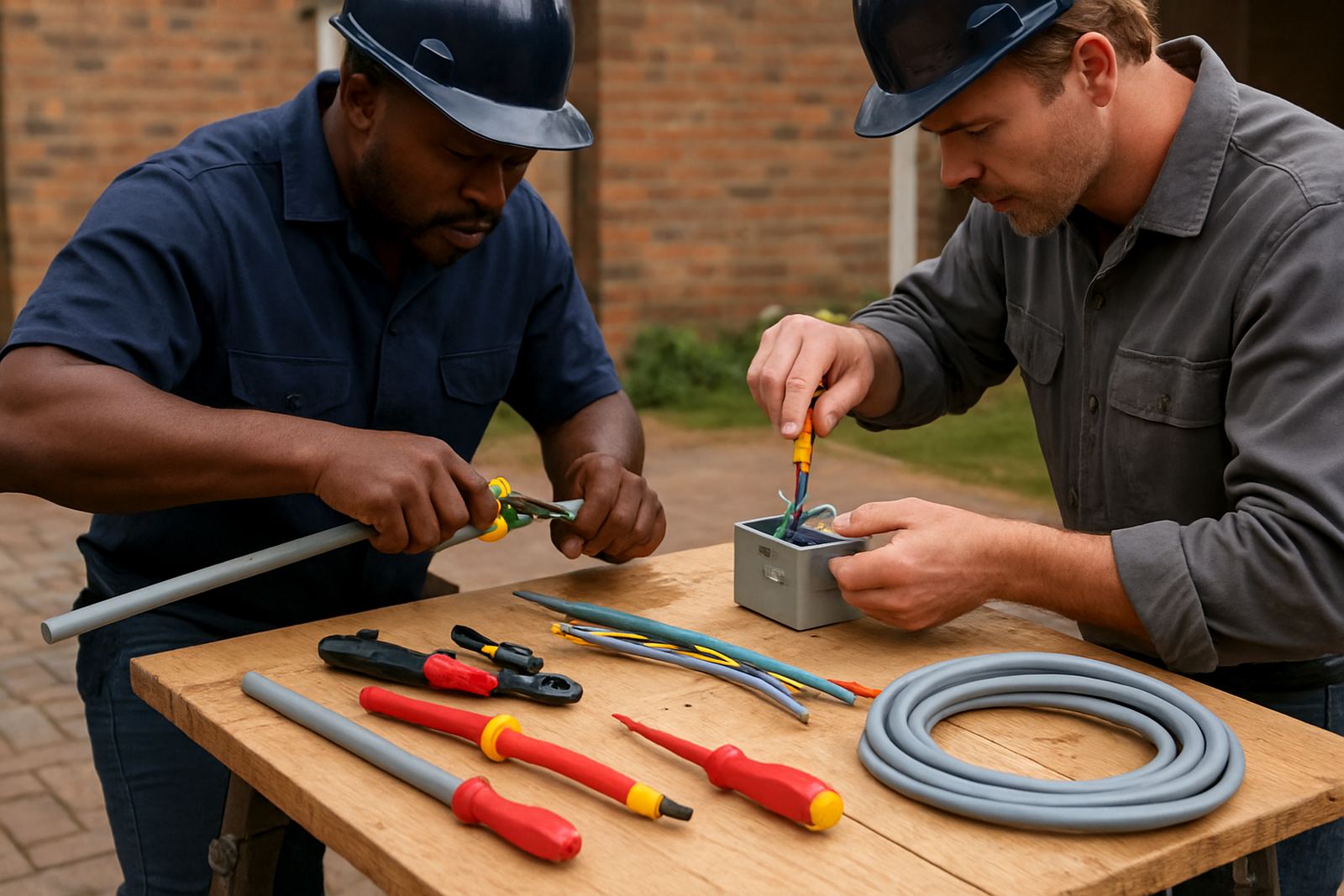
- Screwdrivers, hex keys, nut drivers and insulated options where electrical work is part of the scope
- Pliers, side cutters, locking pliers and cable tools
- Measuring tape, spirit level, marker pens and inspection torch
- Drill bits, driver bits, hole saws and cutting discs for power tools
- Consumables such as cable ties, tape, fasteners, cleaning cloths and lubricants
- Hard case or tray storage, with labels for easy issue and return
For teams doing urgent response, keep a small same-day box with the items most likely to be used on a breakdown. That box should be ready to grab without repacking the full workshop stock, because time lost at the gate is time the client notices.
Layout And Planning Advice For Workshop And Vehicle Kits
Good kit planning starts with the work order. If your team services electrical panels, gates, pumps, compressors or general building plant, the tool list should follow those jobs and not just what happened to be on hand. Sibusiso Mthembu and the Jameson Tools team regularly help maintenance managers build stock lists that make sense for both workshop shelves and vehicle loadouts.
Use colour codes or numbered tray systems so tools return to the same place after every call-out. Keep shared items at the top and job-specific items grouped below. If the crew is split between Pinetown, Hillcrest and coastal routes, standardise the layout so any technician can open any kit and understand it in minutes. That saves time and reduces missing stock.
A good rule is to keep the heaviest items low and near the back of the vehicle, with small consumables in sealed containers. This makes the box easier to lift and less likely to tip when a driver brakes hard on the M13. It also helps during load-shedding, when you may be packing up under pressure and need everything to stay in order.
- Match the kit to the actual maintenance scope, not an ideal list
- Separate daily-use tools from occasional-use tools
- Label trays, drawers or cases clearly
- Keep replacement consumables near the point of issue
- Review stock after each major service or breakdown
Common Mistakes That Slow Maintenance Crews Down
One common mistake is building one huge mixed box for every job. It becomes too heavy, too slow to check and too easy for small items to go missing. Another is buying cheap duplicates of the same item when the crew actually needs a proper range of sizes and tips. A screwdriver that strips after two weeks is no saving at all.
Teams also under-order consumables. Cable ties, bits, discs, seals and cleaning items get used faster than most stores expect, especially when several technicians are sharing the same stock. If you only replenish once the shelf is empty, the maintenance schedule starts slipping and jobs get pushed into the next day, or the next week.
It is also common to ignore replacement matching. When a socket breaks, a bit wears out or a torch fails, the next order should match the original working setup so the kit stays consistent. That is especially useful for firms with crews in Westmead, New Germany and outlying sites where there is not time to test every substitute. Small errors build up quickly.
Budget Ranges For Maintenance Team Setups
Budget depends on whether you are setting up one technician, a two-person response team or a full workshop issue system. For a basic mobile maintenance kit, many businesses start around R3,500 to R8,000 per technician for the core hand tools, case and first consumables. That covers everyday repair work and light planned maintenance, but not every specialist task.
For a more complete mobile set with better storage, extra consumables and power-tool accessories, budgets often sit between R9,000 and R22,000 per technician. If you are building a workshop starter kit for a small team, the total may run from about R25,000 to R75,000 depending on the number of users, the type of plant and how much is included in the first issue.
Where companies want trade account support, standardised stock lists and ongoing replenishment, Jameson Tools can help spread the spend over a practical rollout instead of one big purchase. That matters when teams are upgrading after a busy season or replacing worn stock in phases.
How Jameson Tools Supports Maintenance Teams
Jameson Tools supplies hand tools, power-tool accessories and workshop starter kits with courier delivery nationwide from Pinetown, Durban. That works well for maintenance teams that need items sent to site, to a depot or back to the workshop without waiting for a long procurement cycle. We also support teams in Pinetown, Durban North, Umhlanga, Hillcrest and surrounding areas with practical planning advice.
Our service is not just about the order itself. We help with tool kit planning, starter kit bundling, consumables replenishment, tool replacement matching, stock list standardising and seasonal workshop refresh. Where needed, we can also arrange on-site tool inductions so the team knows how to use and store the kit properly from day one.
For maintenance managers, that means less guessing and fewer repeat shortages. You get tools that suit the job, clear kit layouts and a supplier who understands the pressure of keeping work moving during power cuts, weather delays and urgent breakdowns.