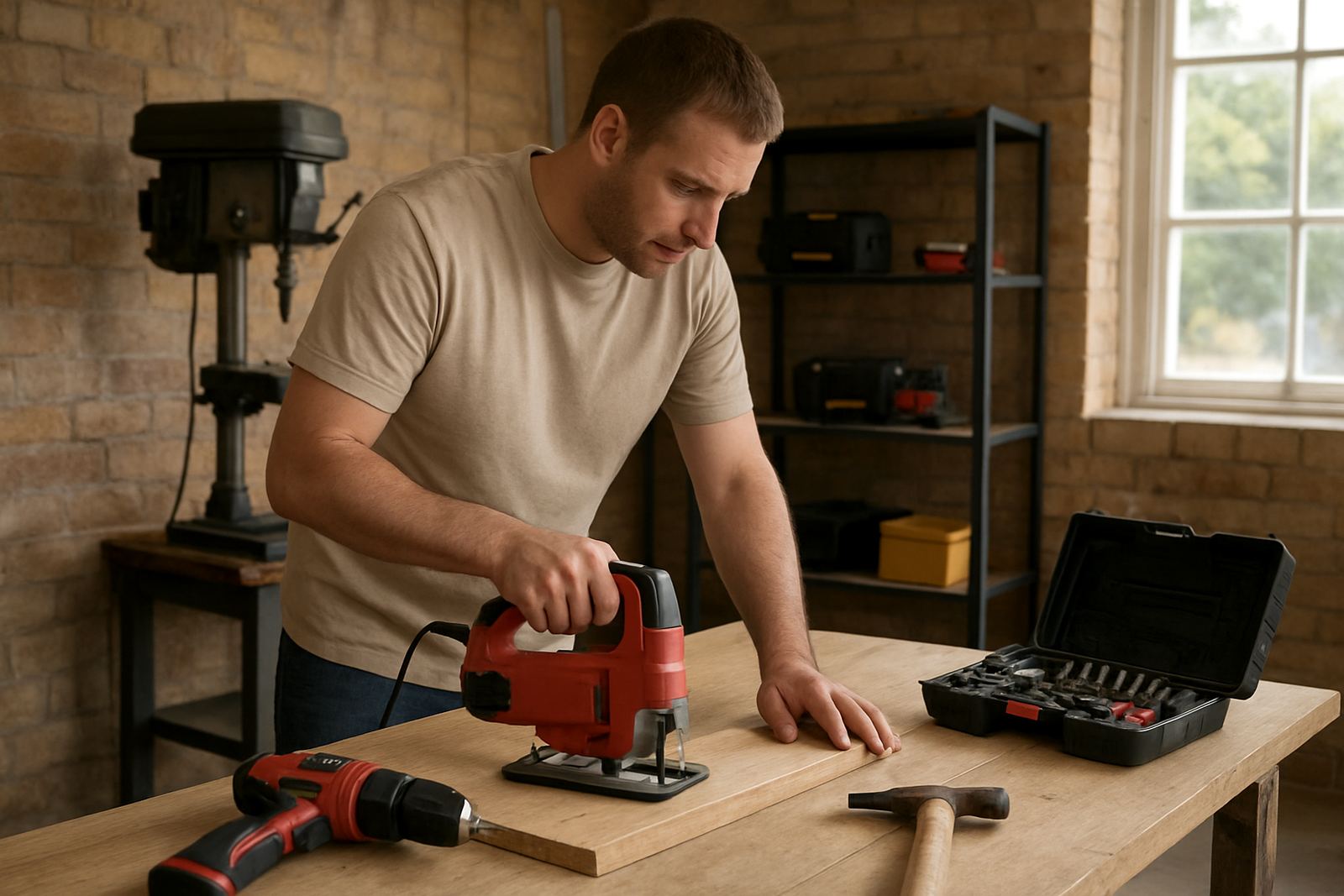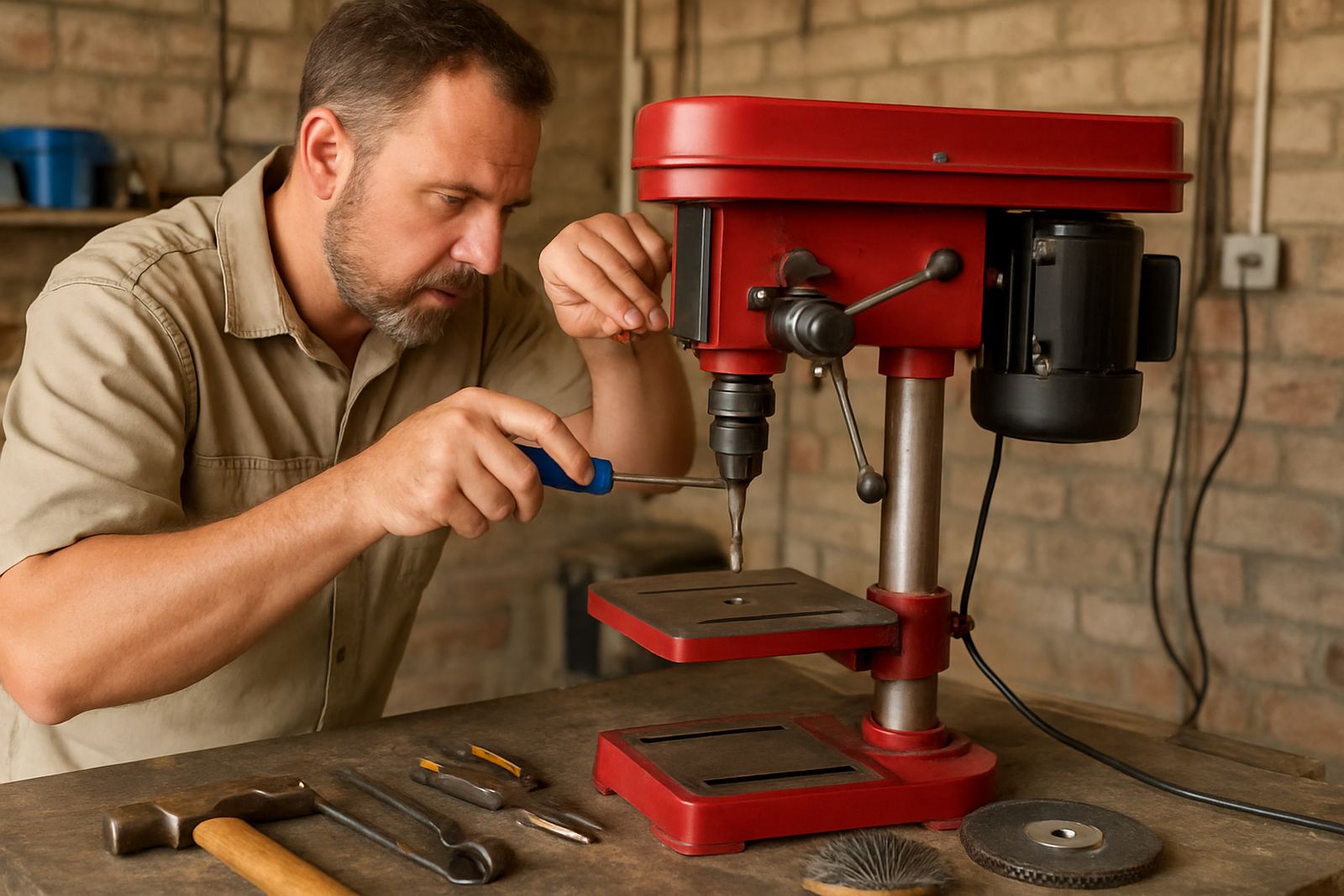
Start With A Quick End-Of-Shift Check
A few minutes at the end of the day can save you a big repair bill later. Before tools go back into the box or rack, wipe off dust, metal filings, oil and moisture. In Durban and along the coast, damp air can leave hand tools with a light surface film overnight so a clean dry cloth matters more than people think.
Check for loose handles, rounded tips, bent shafts, frayed leads and cracked casings. If a tool has started to feel rough in use, dont wait for it to fail on a job. Put it aside, label it and decide whether it needs cleaning, adjustment or replacement.
- Wipe steel surfaces after use, especially after cutting, grinding or drilling.
- Empty swarf from cases, drawers and organiser trays.
- Look for signs of rust, heat damage or impact marks.
- Separate damaged items from the main kit so they do not get picked up by mistake.
Clean Tools Properly Before You Store Them
Cleaning is not just about appearance. Dirt traps moisture, and old cutting residue can interfere with moving parts. Use a soft brush for dust, a rag for general grime and a mild cleaner where grease has built up. For power-tool accessories like bits, blades and sanding discs, remove debris before the next shift so performance stays consistent.
Never soak electrical items or spray cleaner into vents and switches. If a tool is wet from rain, washing or coastal humidity, dry it fully before packing it away. A small fan or a well ventilated room works better than leaving things in a closed steel box overnight.
- Use light oil on exposed steel parts after cleaning.
- Keep abrasive accessories dry and separate from lubricated tools.
- Dry cloth first, then a light protective wipe if needed.
- Let cords and extension leads cool before coiling them.
Store By Use, Not By Guesswork
Good storage reduces loss and wear. In many workshops the problem is not the tool itself but the way it gets piled together with spares, offcuts and packaging. Keep frequently used items in one place, inspection tools in another and small consumables in clearly marked containers. That makes stock checks faster and helps new staff follow the same system.
For starter kits and shared workshop sets, assign one location for each category. Measure out drawers or shelves in practical groups, for example drivers, pliers, clamps, measuring tools and drilling accessories. If your team works across Pinetown, Westmead or New Germany, a standard layout makes transfers and replenishment easier.
- Keep sharp tools in holders or sleeves.
- Store batteries and chargers in a dry area away from direct sun.
- Do not leave steel tools on concrete floors where moisture collects.
- Mark missing items early so the set stays complete.
Protect Tools From Power Cuts And Moisture
Load-shedding and stop-start power can be hard on workshop equipment. Switch off tools before power returns, and avoid leaving chargers or machines plugged in when unattended. Sudden surges can damage electronics, while frequent restarts can shorten motor life. If your site uses extension leads, inspect them often for nicked insulation and loose plugs.
Moisture is another common issue in Durban, Umhlanga and the coast around it. A sealed box is not always enough if damp air is trapped inside, so add a dry storage routine. On very humid days leave cabinets open for a short period before locking up, if security allows. For municipal or shared premises, keep cords and walkways tidy to reduce trip hazards and passing complaints from landlords or inspectors.
If you hear unusual motor noise, smell burning or see sparks at the brush area, stop using the tool. That is the time for checking, not pushing on with the job.
Replace Wear Parts Before They Damage The Tool
Many workshop breakdowns start with a cheap consumable that should have been changed earlier. Worn blades force operators to push harder, blunt bits overheat, and tired sanding discs can leave poor finishes. Matching the right replacement part to the tool helps protect the motor and gives better results on steel, timber and masonry.
If you are unsure what fits, compare size, shaft type, diameter, grit or thread pattern before ordering. Our team can help with replacement matching so you dont waste time and money on the wrong part. For trades that run daily jobs, it is worth keeping a small reserve of the items that fail most often.
- Replace cracked, chipped or bent consumables at once.
- Track the most used items in a simple stock list.
- Keep one spare for high-turnover accessories.
- Record the machine model or size needed before you buy.
Use Training To Build Better Tool Habits
Good maintenance is easier when everyone on the floor uses the same method. A short induction can cover cleaning, storage, safe charging, accessory changeover and daily checks. That matters in busy workshops where staff rotate between tasks and different experience levels are on the same team.
We often help with on-site tool inductions and practical refreshers for teams in Pinetown, Hillcrest, Durban North and nearby areas. The aim is simple: fewer damaged tools, less downtime and better care of the kit you already own. If your team understands how to use a tool correctly, it usually lasts longer too.
For workshops that are setting up from scratch, training and starter kit planning should go together. The right tools in the right hands are easier to maintain and far easier to account for.
When To Ask For Support
If a tool keeps failing, if a set is growing uneven or if your consumable use is higher than expected, it is worth getting a fresh look at the workshop. A support call can identify gaps, mismatched accessories, poor storage or a buying pattern that is costing you extra. Sometimes the fix is simple, like changing the way items are issued or standardising a stock list across the team.
Jameson Tools supports trade workshops with tool kit planning, workshop setup advice, consumables replenishment, starter kit bundling, trade account support and courier delivery coordination nationwide. For help, email orders@jameson.co.za and tell us what tools you use, where the wear is happening and how the workshop runs day to day.
A little routine care goes a long way when the work is busy and the weather is hard on equipment.