What tool kit planning covers
We start with the jobs on your floor, not a generic shopping list. That means checking the trade, the team size, the mix of repair, install or fabrication work, and the tools that get used every day versus the ones needed once in a while.
For Durban and coastal workshop conditions, we also look at corrosion risk, storage space, and whether you need gear that can handle humid air, frequent cleaning, or moving between site and workshop. If your team works around load-shedding or generator power, we plan kits that reduce stoppages and keep the most used items close to hand.
- Hand tools for fitting, assembly, stripping and general maintenance
- Power-tool accessories such as drill bits, cutting discs, sanding items and sockets
- Starter kit bundles for new staff or new workshop bays
- Consumables matched to the real usage rate, not guesswork
How we build the right kit mix
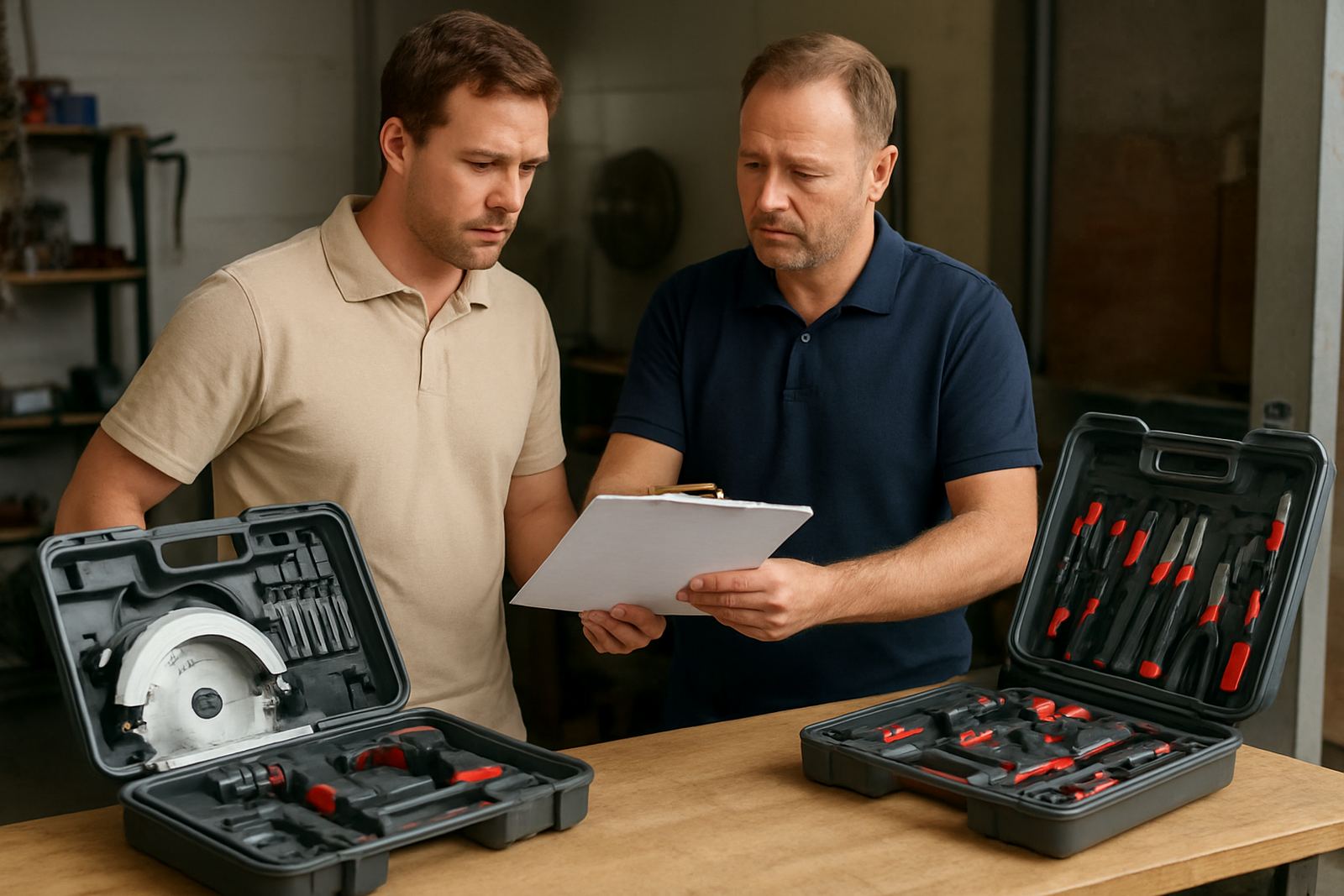
We ask for a short breakdown of your trade, the number of people using the kit, and the daily tasks that matter most. A panel shop needs a different mix from a small electrical team, and a metalwork bench has different wear points again. The aim is to avoid overbuying on low-use items while making sure the essentials are always available.
We can structure kits by person, by bay, or by job type. For example, one kit can support install work on site, while another stays in the workshop for prep, fault finding and rework. That makes stock control easier and helps reduce the bits that go missing between shifts.
- Task-based kit splits for site, bench and maintenance work
- Trade-specific tool counts based on crew size
- Starter kits for new hires, apprentices or new branches
- Optional label lists for easier replenishment and issue control
Our planning process from first call to issue list
First we confirm what trade you are in, where the work happens, and what your current pain points are. Then we compare your daily tasks to the tool types and accessory sizes that suit that work. If you already have some stock, we can work around it and only fill the gaps.
Next comes the kit list. We set out the item mix, the recommended quantities, and the expected refresh interval for wear parts. Once approved, we can coordinate courier delivery to Pinetown, New Germany, Westmead, Hillcrest, Durban North, Umhlanga and nationwide. If needed, we also help with on-site tool inductions so the team knows what is in each kit and how it should be used.
- Step 1: review trade type, team size and task list
- Step 2: match the kit to tool use, wear rate and storage space
- Step 3: issue a clean stock list with quantities and replacement timing
- Step 4: coordinate delivery and handover, with support for sorting the first issue
Specs and kit standards we work to
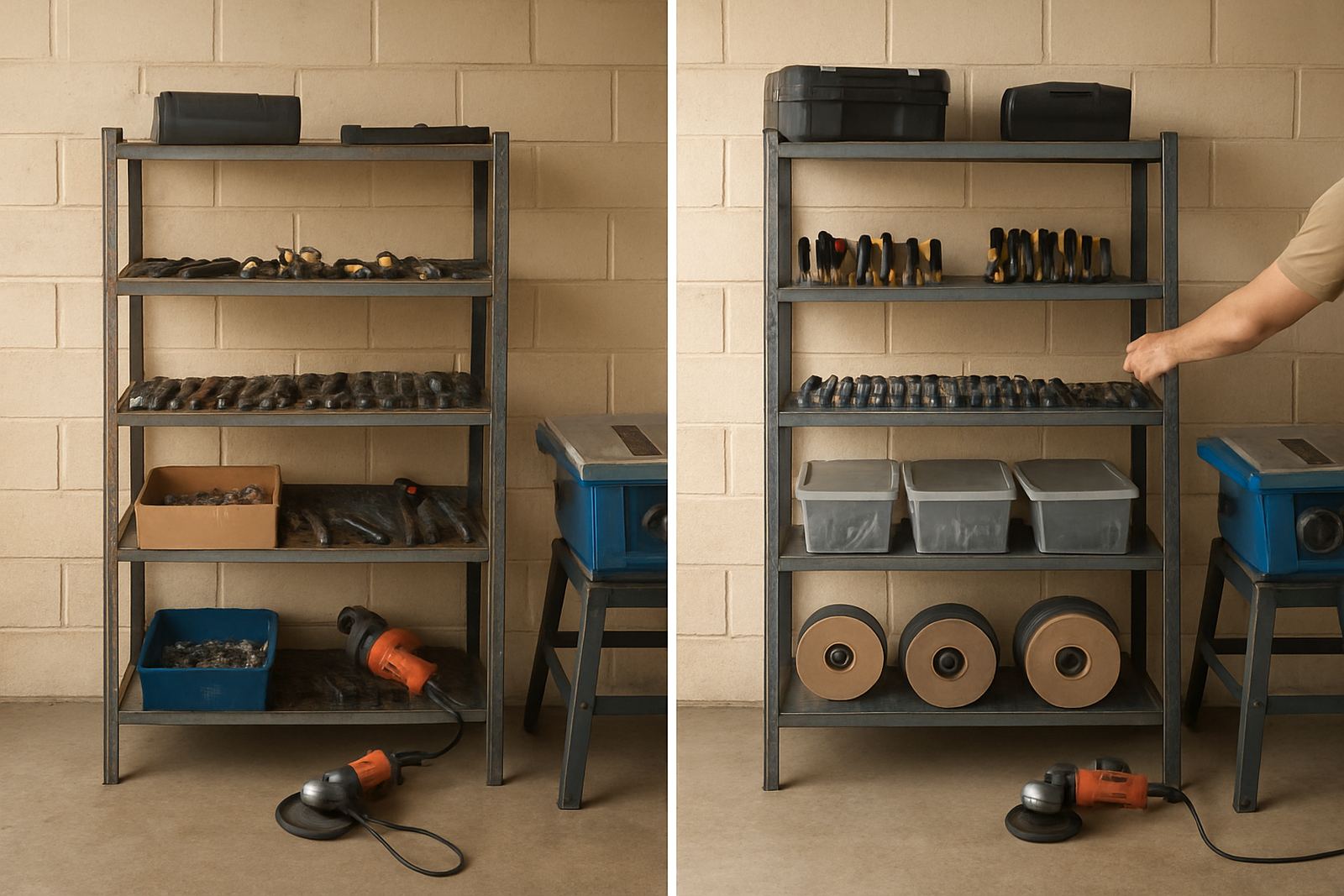
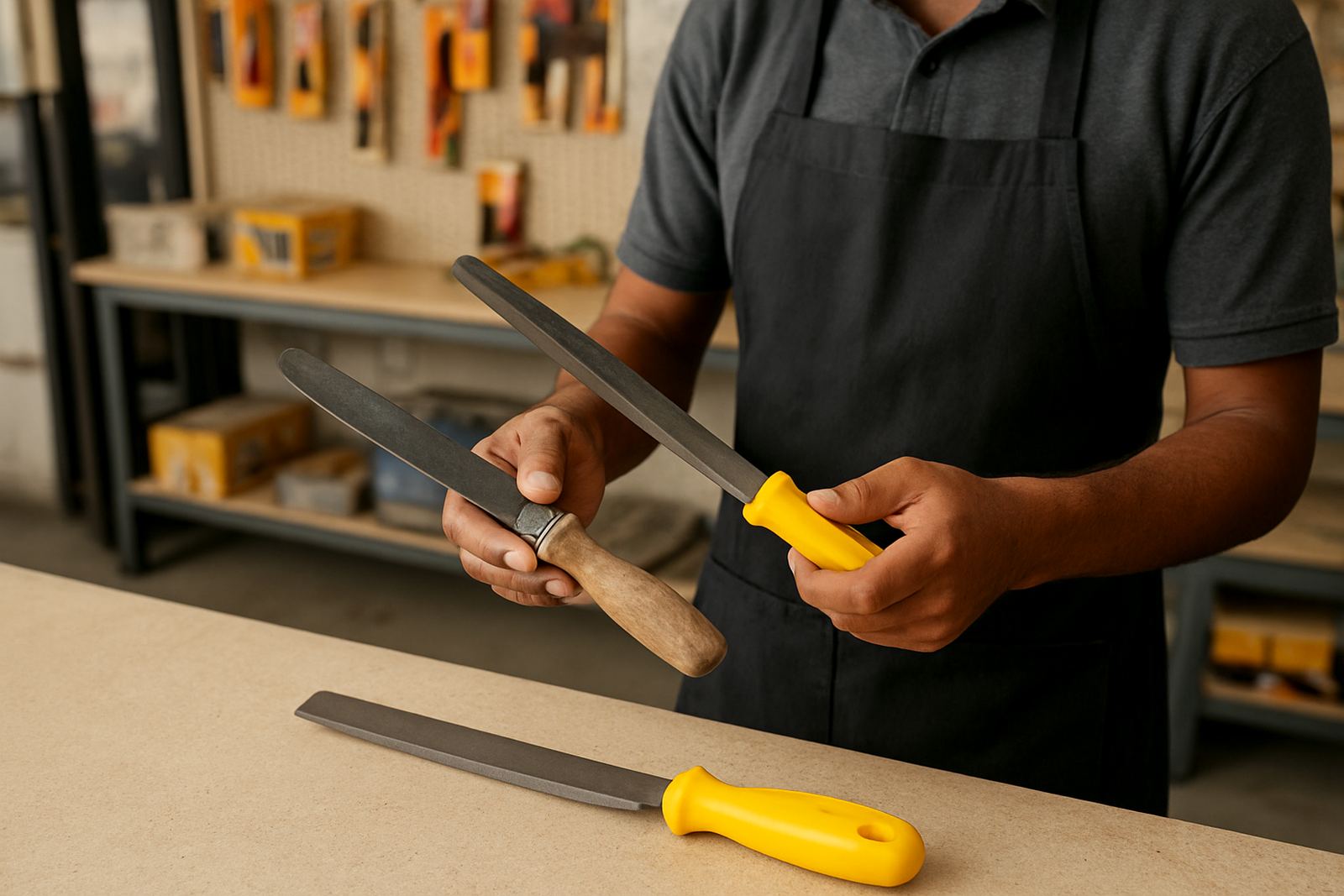
Every kit is planned with practical working sizes and common trade standards in mind. That includes socket and bit ranges, handle lengths, blade widths, cutting sizes, and pouch or case space where needed. We also consider how the kit will be stored, because a packed van, a shared bench drawer and a locked workshop cabinet all need different layouts.
For coastal areas like Durban, we can specify storage and replacement timing that suits humidity and salt air. In workshop spaces with regular dust, oil or metal swarf, we also factor in cleaning time and the parts most likely to wear out first. That helps keep the kit usable for longer, even when the day gets busy and nobody has time for fiddly checks.
Pricing approach that keeps budgets under control
We price tool kit planning around the size of the job and the level of detail needed. A simple starter kit list for one trade team takes less time than a full workshop standardisation plan with multiple bays and replacement schedules. You only pay for the planning support you need, and we can separate one-off setup from ongoing replenishment support.
Where possible, we group items into bundles so you are not paying for odd pieces one by one. That usually makes budgeting easier for owners and supervisors, especially when the workshop is expanding or when stock needs to be spread over a few months instead of all at once.
- One-off planning for new teams or new work areas
- Bundle-based pricing for starter kits and repeated tool sets
- Optional follow-up reviews for changing workloads
- Trade account support for regular replenishment orders
Maintenance and replacement intervals
Tool kits last longer when the replacement cycle is planned before things fail. We help set practical intervals for the parts that wear quickest, such as cutting items, drill bits, abrasive products, driver bits and measuring tools that take daily knocks. In many workshops a monthly check works well, but high-use teams may need weekly stock counts for fast-moving consumables.
For tools that are shared between users, we recommend a clear issue and return process, plus a simple inspection routine at the end of each shift. That reduces loss and keeps the kit ready for the next job. If your team works across multiple sites, we can also help standardise the list so everyone is using the same items and nobody orders the wrong size. It saves time and a fair bit of hassle.
Key facts
| Service area | Pinetown, Durban and nationwide courier delivery |
|---|---|
| Typical turnaround | 24 to 72 hours for standard planning, subject to complexity |
| Kit types | Hand tool kits, accessory packs, starter kits and job-specific bundles |
| Planning inputs | Trade type, team size, task list, storage space and replacement cycle |
| Maintenance interval | Weekly, monthly or quarterly review depending on usage |
| Contact | orders@jameson.co.za |