What the induction covers at your workshop
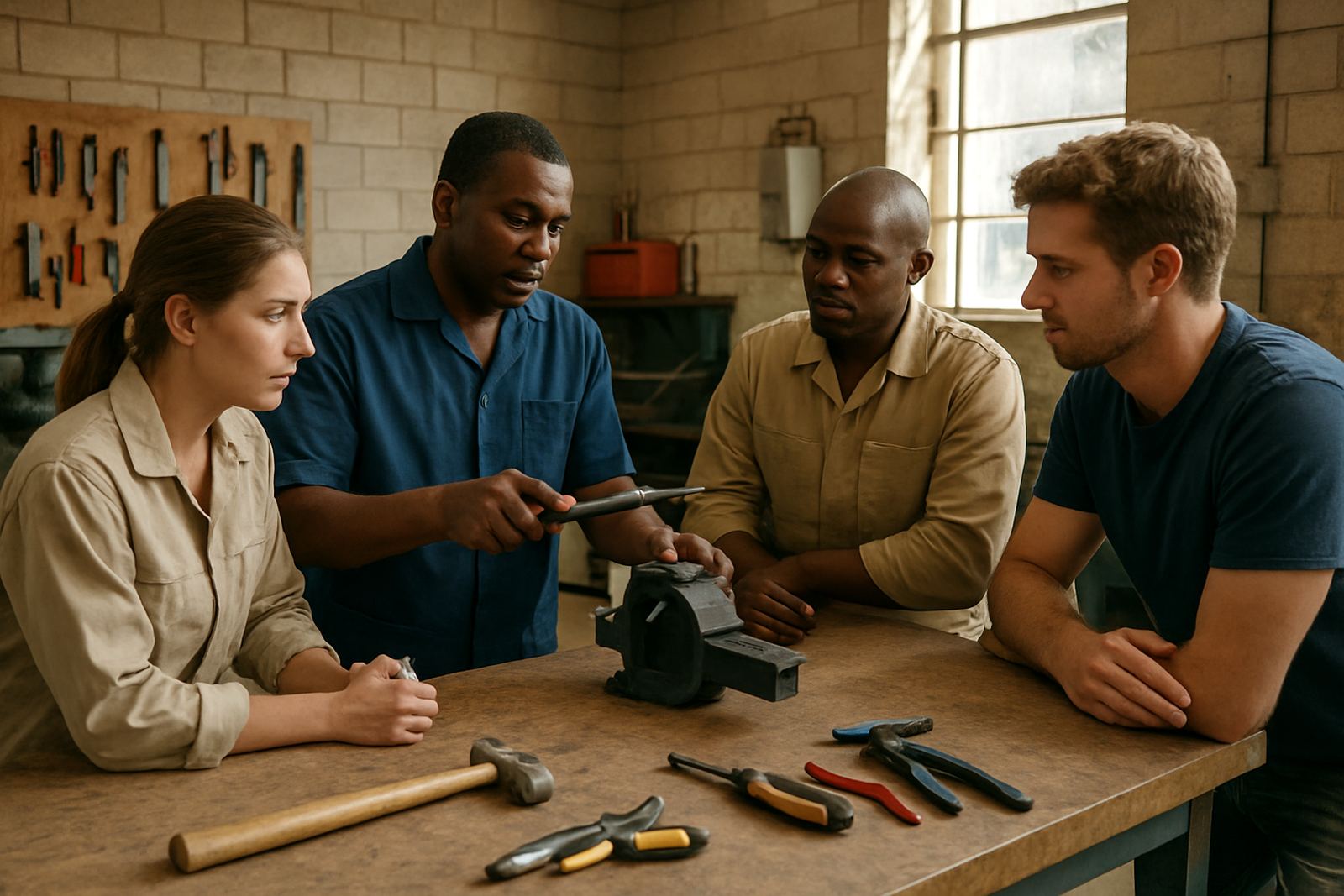
An on-site induction is a practical session at your premises in Pinetown, Durban or any courier-serviced area nationwide. We bring the kit list, walk the team through each item and show how the tools are meant to be used, stored and checked before and after a job. This is useful when you are setting up a new bay, issuing shared kits, or replacing older gear and need everyone on the same page quickly.
The session is kept focused on trade use. We explain what is in the box, what is not included, and which items are for general workshop work versus job-specific use. Teams also get guidance on wear points, cleaning after coastal humidity, and simple care steps that help tools last longer under daily use.
- Kit contents overview by category and size
- Correct handling for hand tools and accessory sets
- Basic cleaning, storage and rust prevention
- Common misuse to avoid on site
- Simple sign-out and issue tracking advice
How we run the session from start to finish
We start by confirming the tools on hand, the number of users and the type of work your team does. A small maintenance crew in Westmead will need a different session from a mixed trade team in Umhlanga or Hillcrest. Once we know the scope, we plan the induction around your shift times so there is as little interruption as possible.
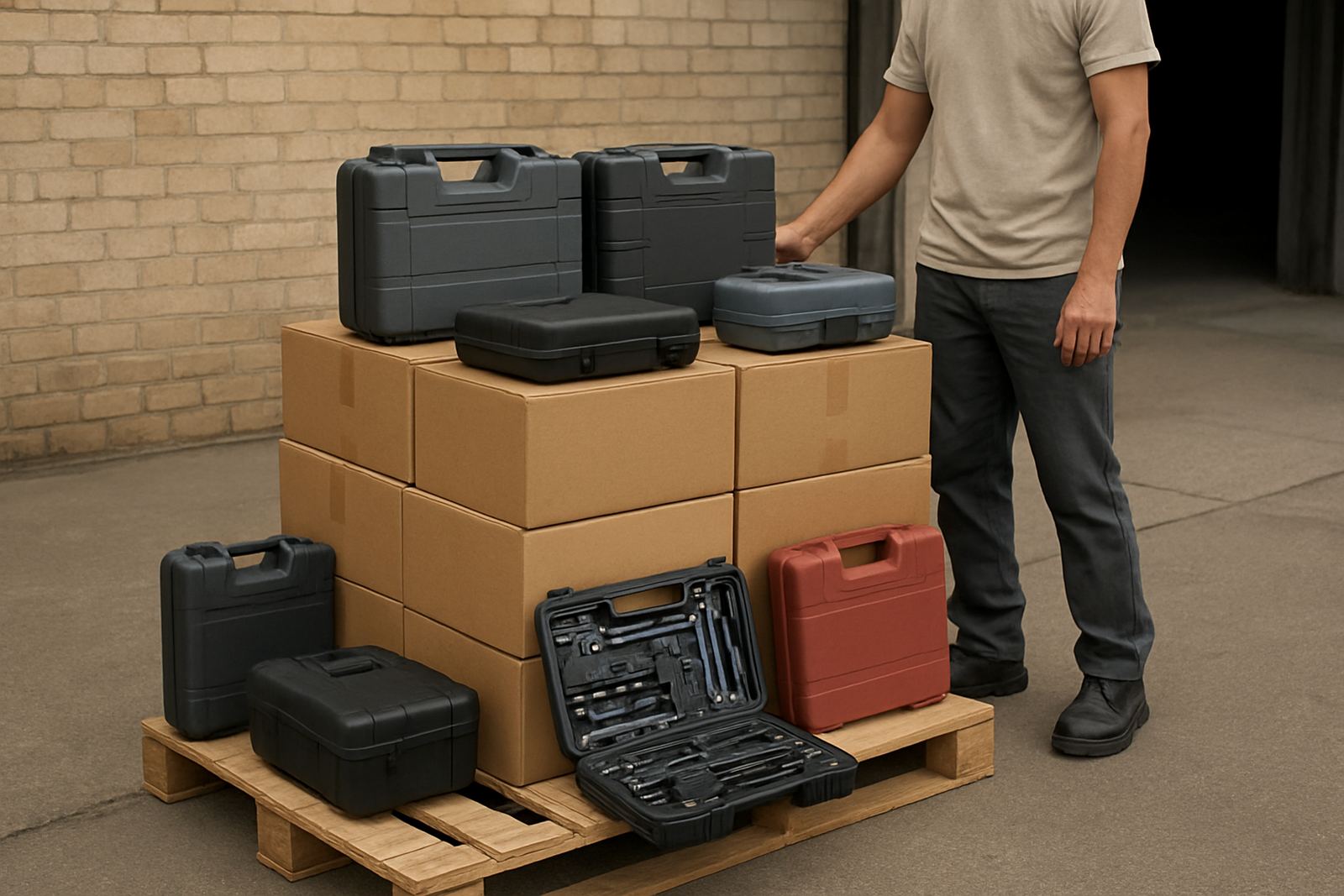
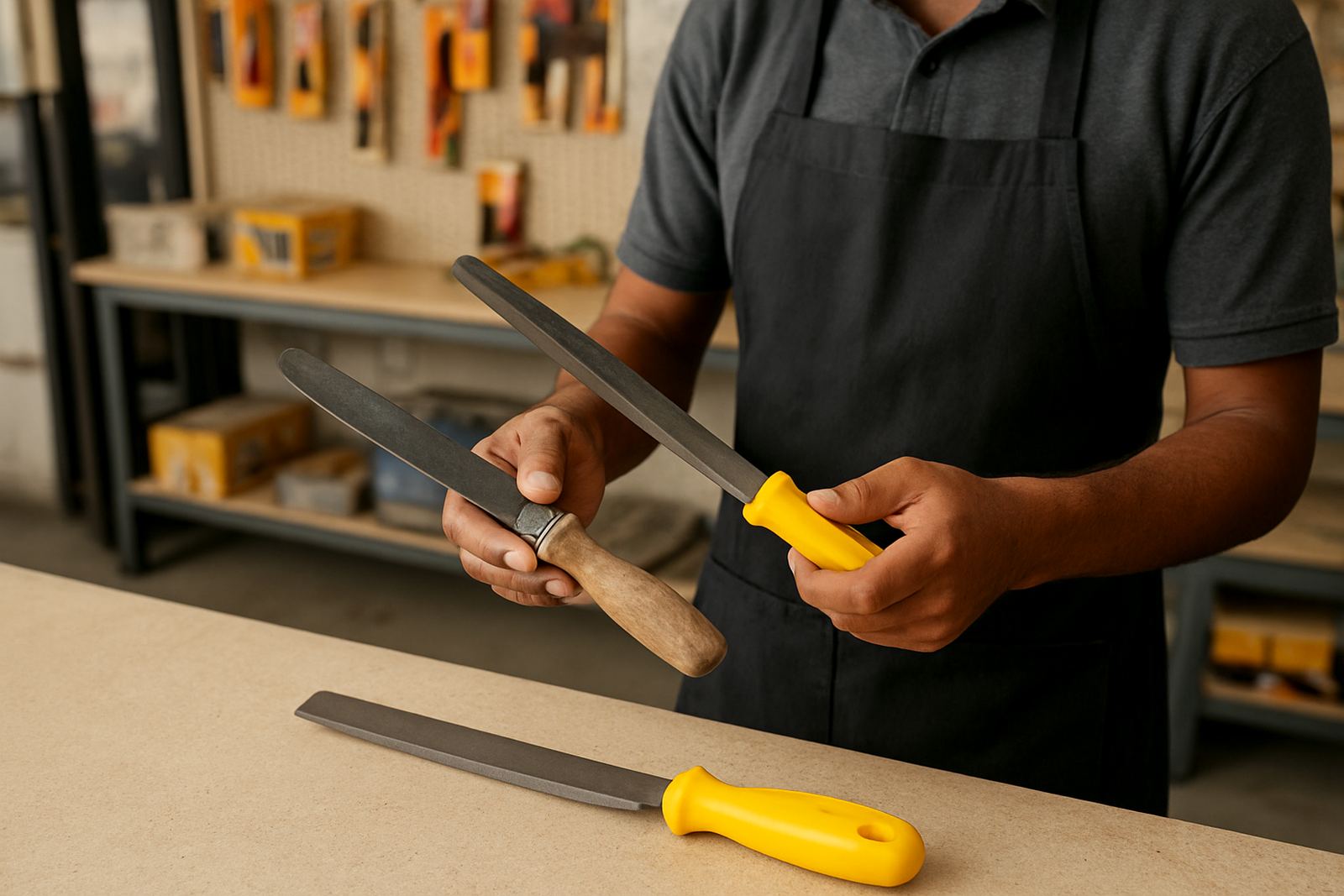
During the visit, we use the actual kits you have received. That means your staff see the exact sockets, bits, cutters, pliers, drivers or accessory packs they will be issuing. If a set has duplicate sizes or special inserts, we point that out and explain where those items belong in the workflow. If you are running label systems, we can align the induction with your stock list structure too.
- Pre-visit confirmation of tools, headcount and site access
- Hands-on demonstration with the actual kit
- Q and A for supervisors, artisans and stores staff
- Optional sign-off sheet for internal records
Practical use, safety and maintenance basics
The goal is not theory for its own sake. We show safe tightening, correct bit selection, torque awareness where relevant, and the right way to pack tools back after use. In workshops where load-shedding affects daily routines, we also discuss how to protect consumables and battery powered accessories during storage and charging windows.
We cover maintenance intervals in a simple way. For most shared workshop kits, a quick check at the start of every shift and a fuller check once a week is enough to catch loose handles, worn tips, blunt cutting edges or missing pieces. In damp coastal areas like Durban North and parts of Umhlanga, we suggest a light clean and dry-off after use, with a corrosion check every 2 to 4 weeks depending on exposure. Sites with heavy dust or concrete work may need more frequent cleaning.
- Daily visual check before issue
- Weekly inspection for wear, looseness and missing items
- 2 to 4 weekly corrosion and lubrication check in coastal conditions
- Quarterly stock count for shared kits and replacement planning
Who benefits most from on-site inductions
This service suits new workshop teams, stores supervisors, apprentices, maintenance crews and anyone taking over a fresh stock issue. It is also useful when you have had repeat losses, mixed-up accessory packs or confusion about correct use. A one hour induction can save a lot of time later, especially in busy shops where tools are borrowed across shifts and not always returned in order.
Training Coordinator support is included in the planning, so we can group staff by role if needed. For example, supervisors can get a deeper stock control session while general users focus on tool care and practical handling. If your business serves several branches such as New Germany, Pinetown and Durban North, we can help standardise the message so every site works in the same way.
- New starter teams and apprentices
- Workshop supervisors and stores staff
- Shared-user workshops with high tool turnover
- Teams moving from old stock to new kits
Turnaround, pricing approach and booking process
Turnaround depends on your location, the size of the team and how many kits need to be covered. In the Durban metro, bookings are often arranged within a few working days. For out of town sites, we coordinate courier delivery of supporting material first, then schedule the induction once the tools have landed. Larger sites may need more than one session if shifts or departments work separately.
Our pricing approach is straightforward. The rate is based on travel, session length, the number of staff present and whether you need extra planning such as stock list standardising or sign-off forms. We quote before the visit so you know the cost upfront. If the induction is linked to a starter kit bundle or a workshop refresh, we can often combine the work to keep costs down.
- Local site visits usually arranged within a few working days
- Travel and time quoted before attendance
- Session length based on team size and kit count
- Optional add-ons for stock control and tool replacement matching
Aftercare, refresher timing and replacement support
After the induction, teams usually need a short refresher once the tools have been in use for a few weeks. That is where we help with replacement matching, consumables replenishment and basic issue tracking advice. If a bit set, driver tip or hand tool starts wearing faster than expected, we can help identify the correct replacement without guessing.
For most workshops, a refresher every 6 to 12 months works well, or sooner if you have a new intake of staff, a change in work type, or repeated tool loss. Sites exposed to salt air, heavy rain or constant dust may benefit from shorter maintenance intervals. We keep the support practical, so your team knows what to look for and when to call for help.
- Refresher recommended every 6 to 12 months
- Earlier review after staffing changes or heavy tool turnover
- Replacement guidance for worn or missing items
- Consumable planning for bit sets, blades and accessory packs
Key facts
| Service area | Pinetown, Durban metro and nationwide courier-serviced sites |
|---|---|
| Typical session length | 45 to 120 minutes depending on team size and kit count |
| Crew focus | Artisans, apprentices, supervisors and stores staff |
| Site format | On-site, hands-on, with the actual tools issued to the team |
| Maintenance review | Daily, weekly and 2 to 4 weekly checks where coastal humidity is a factor |
| Booking lead time | Usually within a few working days in the Durban area |